
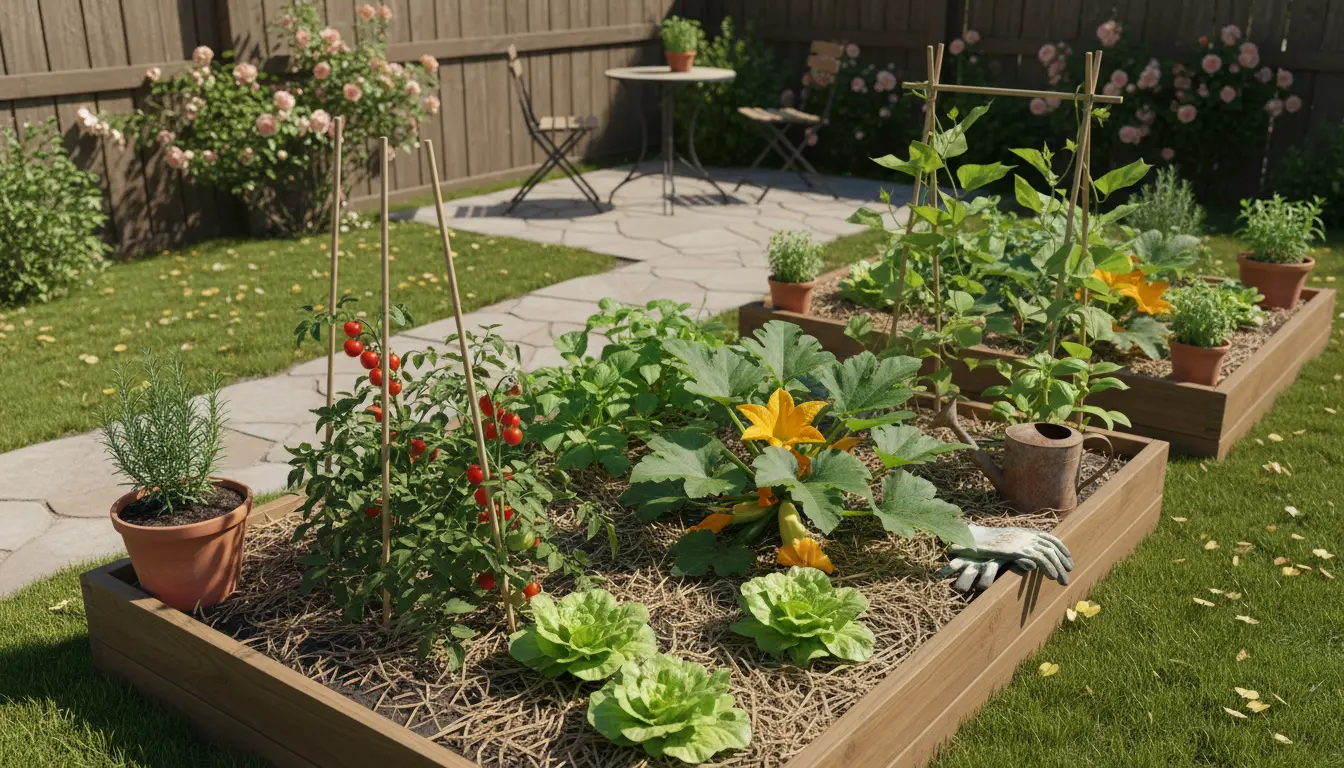
Why Start a Small Vegetable Garden
Growing your own vegetables saves money, improves flavor, and gives you control over how food is produced. A small vegetable garden can fit a balcony, patio, or a tiny backyard and still yield a satisfying harvest.
This guide explains how to plan, plant, and maintain a small vegetable garden using simple, practical steps you can follow today.
Planning Your Small Vegetable Garden
Start by assessing available space, sunlight, and your time commitment. Aim for a location with at least 4–6 hours of direct sun for most vegetables.
Decide whether you want in-ground beds, raised beds, or container gardening. Each option has trade-offs in cost, soil depth, and mobility.
Choose the Right Location
Look for flat areas near a water source to simplify irrigation. Avoid low spots where water pools and places that are shaded by large trees.
Consider ease of access: if you’ll water and harvest frequently, convenience matters more than perfect exposure.
Set Realistic Goals and Space
For beginners, plan a few strong-producing plants rather than many varieties. A 4×4 foot raised bed or 4–6 containers can feed one person with careful planning.
List vegetables you eat regularly and choose high-yield, space-efficient types like cherry tomatoes, bush beans, lettuce, and herbs.
Soil and Containers for a Small Vegetable Garden
Healthy soil is the foundation of a productive garden. If using containers or raised beds, use a mix of quality topsoil and compost for good drainage and nutrients.
For in-ground plots, improve soil with compost and consider a soil test to check pH and nutrient levels.
Recommended Container Sizes
- Herbs and lettuce: 6–8 inch pots
- Tomatoes and peppers: 5–10 gallon containers
- Root crops (carrots, beets): 12–18 inch deep containers
Soil Mix Recipe
- 40% good-quality topsoil
- 40% compost or well-rotted manure
- 20% coarse sand or perlite for drainage
Choosing Plants for a Small Vegetable Garden
Select compact or bush varieties labeled as suitable for containers or small spaces. Fast-growing crops let you harvest several times a season.
Group plants by water and sun needs to simplify care and avoid overwatering or stress.
Top Picks for Small Gardens
- Leafy greens: lettuce, spinach, arugula
- Compact tomatoes: patio or determinate varieties
- Peppers: compact bell and hot varieties
- Root vegetables: short carrots, radishes, beets
- Herbs: basil, parsley, chives, mint (in separate pots)
Planting and Scheduling
Follow seed packet directions for depth and spacing. Stagger plantings of lettuce and other quick crops every 2–3 weeks to extend harvests.
Use succession planting to keep beds productive: remove a spent crop and replace it with a new seed or seedling.
Example Planting Timeline
- Spring: direct-sow peas and radishes, transplant early lettuce
- Late spring: transplant tomatoes and peppers after frost risk
- Summer: sow succession lettuce and beans
- Late summer: start fall brassicas (kale, broccoli)
Watering, Feeding, and Care
Water deeply and less often to encourage strong root systems. Containers dry out faster than ground beds, so check them daily in hot weather.
Feed with a balanced organic fertilizer every 3–4 weeks or side-dress with compost for slow nutrient release.
Common Maintenance Tasks
- Weed weekly to reduce competition
- Stake or cage vining plants like tomatoes
- Prune as needed to improve air circulation
Pest and Disease Management in a Small Vegetable Garden
Inspect plants frequently and remove affected leaves early. Small gardens are easier to manage because problems are visible and contained.
Use these integrated pest management (IPM) methods before chemical controls.
IPM Steps
- Hand-pick large pests like caterpillars and beetles
- Use row covers to protect seedlings from flying insects
- Encourage beneficial insects with flowering herbs and flowers
- Rotate crops seasonally to reduce disease buildup
Planting marigolds near tomatoes can help deter some soil-borne pests and attract pollinators, making small garden spaces more productive.
Harvesting and Storing
Harvest regularly to encourage continued production. Pick leaves and fruits in the morning when they are crisp and hydrated.
Store root crops in a cool, dark place and refrigerate delicate greens. Freeze or can excess tomatoes for longer storage.
Real-World Example: A Balcony Vegetable Garden Case Study
Case summary: Anna, an apartment renter, used four 10-inch containers and two 5-gallon buckets on a sunny balcony (6 hours sun). She planted one determinate tomato, two pepper plants, and two containers each of mixed lettuce and herbs.
Results: In one season Anna harvested enough salad greens for two people for 10 weeks and collected 20 lbs of tomatoes. Key actions included weekly compost feeding, daily morning watering, and using cages to support the tomato plant.
Lessons learned: Start with fewer varieties, choose compact cultivars, and monitor watering closely for container-grown plants.
Simple Checklist to Start a Small Vegetable Garden
- Choose location with 4–6+ hours sun
- Select containers or prepare a raised bed
- Buy or mix quality soil and compost
- Pick compact vegetable varieties
- Plan a watering and feeding schedule
- Inspect for pests weekly
- Harvest regularly and preserve excess
Final Tips for Success with a Small Vegetable Garden
Start small and expand as you gain confidence. Small spaces reward consistent care more than elaborate setups.
Keep a simple garden journal to track planting dates, varieties, and harvests so you can improve each season.