
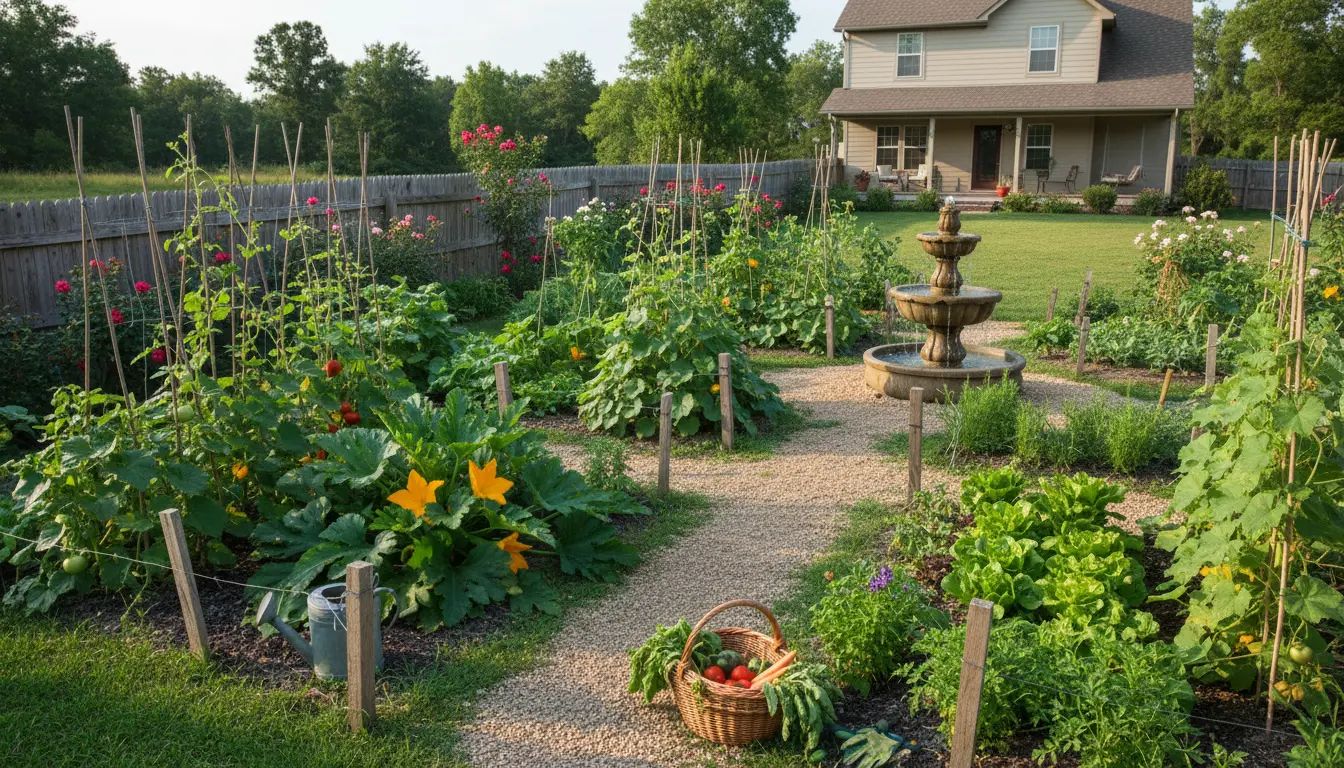
Starting a vegetable garden is a practical way to grow fresh food, save money, and enjoy outdoor activity. This guide breaks the process into clear steps so beginners can plan, plant, and maintain a productive garden.
Plan Where to Start a Vegetable Garden
Choosing the right location is the first step when you start a vegetable garden. Most vegetables need at least 6 hours of direct sunlight daily.
Consider access to water, soil quality, and protection from strong winds. Write a simple sketch of the space to guide layout decisions.
Assess sunlight and space
Track sunlight at different times of day for a week. Mark areas with full sun, part sun, and shade. This helps match crops to microclimates.
Decide on beds or containers
Choose raised beds, rows, or containers based on space and mobility. Raised beds warm faster and drain well, while containers work for patios and balconies.
Prepare Soil Before You Plant
Good soil is the foundation of a successful vegetable garden. Focus on texture, drainage, and organic matter.
Test soil pH with a simple kit. Most vegetables prefer slightly acidic to neutral soil (pH 6.0–7.0).
Improve soil structure
Add compost or well-rotted manure to feed plants and improve texture. Mix 2–4 inches of compost into the top 6–8 inches of soil before planting.
Use raised beds for poor soil
If your native soil is heavy clay or very sandy, raised beds filled with a good mix of topsoil and compost provide better growing conditions.
Choose Vegetables and Timing
Select vegetables that match your climate and the planting season. Start with easy crops to build confidence.
- Cool-season crops: lettuce, spinach, peas, radishes.
- Warm-season crops: tomatoes, peppers, cucumbers, beans.
- Root crops: carrots, beets, potatoes.
Use seed packets or plant tags to check days to maturity so you can schedule plantings and harvests effectively.
Planting Basics When You Start a Vegetable Garden
Follow spacing and depth instructions on seed packets or plant labels. Overcrowding reduces airflow and increases disease risk.
Start some crops indoors if your season is short. Transplant seedlings after the last frost date for your area.
Succession planting
To extend harvests, sow small amounts of quick-maturing crops every 2–3 weeks. This keeps a steady supply of fresh vegetables.
Watering and Fertilizing Tips
Consistent watering is essential. Water deeply and less frequently to encourage strong root systems.
- Water early morning to reduce evaporation and leaf disease.
- Use a drip irrigation or soaker hoses for efficiency.
- Mulch around plants to retain moisture and suppress weeds.
Fertilize based on soil test results. Use balanced organic fertilizers or compost tea during the growing season for steady nutrient supply.
Pest and Disease Management
Prevent problems by rotating crops and maintaining good garden hygiene. Remove diseased plants promptly and clean tools after use.
Use these nonchemical strategies first:
- Row covers to protect young plants from insects.
- Handpicking larger pests like slugs and caterpillars.
- Encouraging beneficial insects like ladybugs and lacewings.
Maintenance and Harvest
Regular maintenance keeps your garden productive. Spend short weekly sessions weeding, checking soil moisture, and removing spent plants.
Harvest early in the morning when produce is cool. Regular picking encourages more production for many crops like beans and cucumbers.
Storing your harvest
Store root crops in a cool, dark place and use leafy greens quickly for best flavor. Consider simple preservation methods like freezing or pickling for surplus produce.
Quick Case Study: Community Lot to Productive Plot
A small community group turned an unused 20×30 foot lot into raised beds and started a vegetable garden. They focused on tomatoes, beans, and leaf lettuce in the first year.
By using compost, drip irrigation, and weekly volunteer shifts, the plot produced enough produce for ten families and provided seedlings for neighborhood distribution.
Simple Checklist to Start a Vegetable Garden
- Choose a sunny site with water access.
- Decide between raised beds, rows, or containers.
- Test and amend soil with compost.
- Select easy crops for your season.
- Plant with correct spacing and water deeply.
- Mulch, monitor pests, and harvest regularly.
Starting a vegetable garden takes planning but rewards you with fresh food and outdoor time. Follow these steps, start small, and learn each season to improve yields and enjoyment.