
Why Home Composting Matters
Home composting reduces kitchen and yard waste while producing nutrient-rich soil for plants. It cuts landfill contributions and lowers household greenhouse gas emissions.
This guide shows simple, practical steps to start home composting and keep it working well for your needs.
Home Composting Basics
Compost breaks down organic matter through microbe and worm activity into a dark, crumbly material called humus. You can compost most fruit and vegetable scraps, coffee grounds, yard clippings, and paper products.
Key composting concepts are balance, aeration, moisture, and time. Get these right and you will avoid odors and pests.
What to Compost and What to Avoid
- Good: fruit and vegetable scraps, coffee grounds, eggshells, yard trimmings, shredded paper
- Limit: citrus peels and onion skins in small amounts
- Avoid: meat, dairy, oily foods, diseased plants, and pet waste
Choosing a Home Composting Method
Pick a method that fits your space, budget, and effort level. Small changes make composting practical for apartments and yards alike.
Common Methods for Home Composting
- Bin composting: A simple enclosed bin in a backyard that keeps critters out.
- Tumbler composting: A rotating drum that speeds up mixing and breaks down material faster.
- Vermicomposting: Worms (red wigglers) break down kitchen scraps in a bin, ideal for indoor use.
- Community or council composting: Drop-off sites or shared systems for those without private space.
Setting Up Your Home Composting System
Location matters. Place an outdoor bin on soil to allow worms and drainage. For an indoor worm bin, pick a shaded, cool corner.
Start with a base layer of coarse material like twigs or straw to improve airflow. Alternate layers of green (nitrogen-rich) and brown (carbon-rich) materials.
Basic Layering Example
- Base: small twigs or straw (2–3 inches)
- Brown layer: shredded paper, dry leaves
- Green layer: vegetable scraps, coffee grounds
- Cover: small amount of finished compost or soil to add microbes
Maintaining Your Home Composting Pile
Regular maintenance keeps decomposition moving. Turn or aerate the pile every 1–2 weeks for a backyard bin or tumble every few days for a drum.
Check moisture like a wrung-out sponge. Too dry slows decomposition; too wet causes odors. Add dry brown materials to soak up excess moisture.
Troubleshooting Common Problems
- Smell of rot: add brown materials and aerate to reintroduce oxygen.
- Fruit flies: cover fresh food scraps with a layer of browns or use closed containers for kitchen storage.
- Slow breakdown: chop materials into smaller pieces and ensure correct moisture.
Home composting can reduce household waste by up to 30 percent. Compost also improves soil structure, water retention, and nutrient availability for plants.
Using Finished Compost
Finished compost is dark, crumbly, and earthy-smelling. Use it as a soil amendment, top dressing, or potting mix ingredient.
Apply a 1–2 inch layer to garden beds or mix one part compost with two parts soil for container plants. Compost releases nutrients slowly, benefiting plants over time.
Small Real-World Case Study
Case Study: Apartment Composting with Worms
Maria lives in a two-bedroom apartment and started vermicomposting in a stacked plastic bin. She collected kitchen scraps in a sealed container and added them to the worm bin twice a week.
After six months she had enough compost to feed four potted herbs and reduced her kitchen waste by half. Simple steps she used: chop scraps small, maintain moisture, and harvest every three months.
Practical Tips for Success
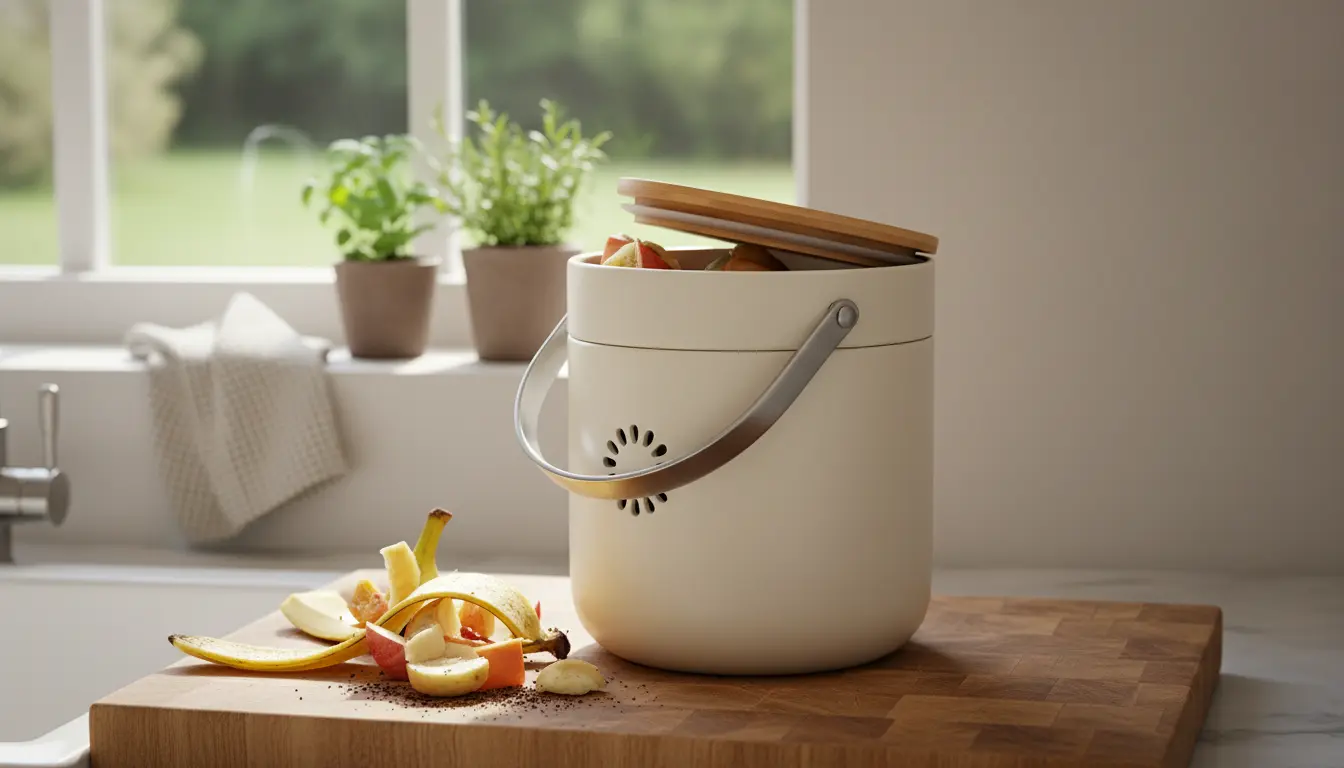
- Keep a small sealed countertop pail for scraps to avoid odors and make collection easy.
- Chop or shred materials to speed decomposition.
- Record what you add and how often you turn the pile to learn what works best.
- Use a thermometer (optional) to monitor active compost piles; 120–150°F indicates active breakdown.
Final Checklist to Start Home Composting
- Choose a method (bin, tumbler, worms) that fits your space.
- Gather brown and green materials before you begin.
- Set up layers, maintain moisture, and aerate regularly.
- Harvest finished compost and apply it to your garden or pots.
Home composting is an achievable way to reduce waste and improve soil health. Start small, be consistent, and adapt the system to your household needs.