
Starting a vegetable garden is a practical way to grow fresh food, save money, and enjoy time outdoors. This guide gives clear, actionable steps for beginners and small-space growers.
How to Start a Vegetable Garden: Choose the Right Location
Choose a spot that gets at least 6 hours of direct sunlight daily for most vegetables. Observe the site at different times of day to confirm sun exposure.

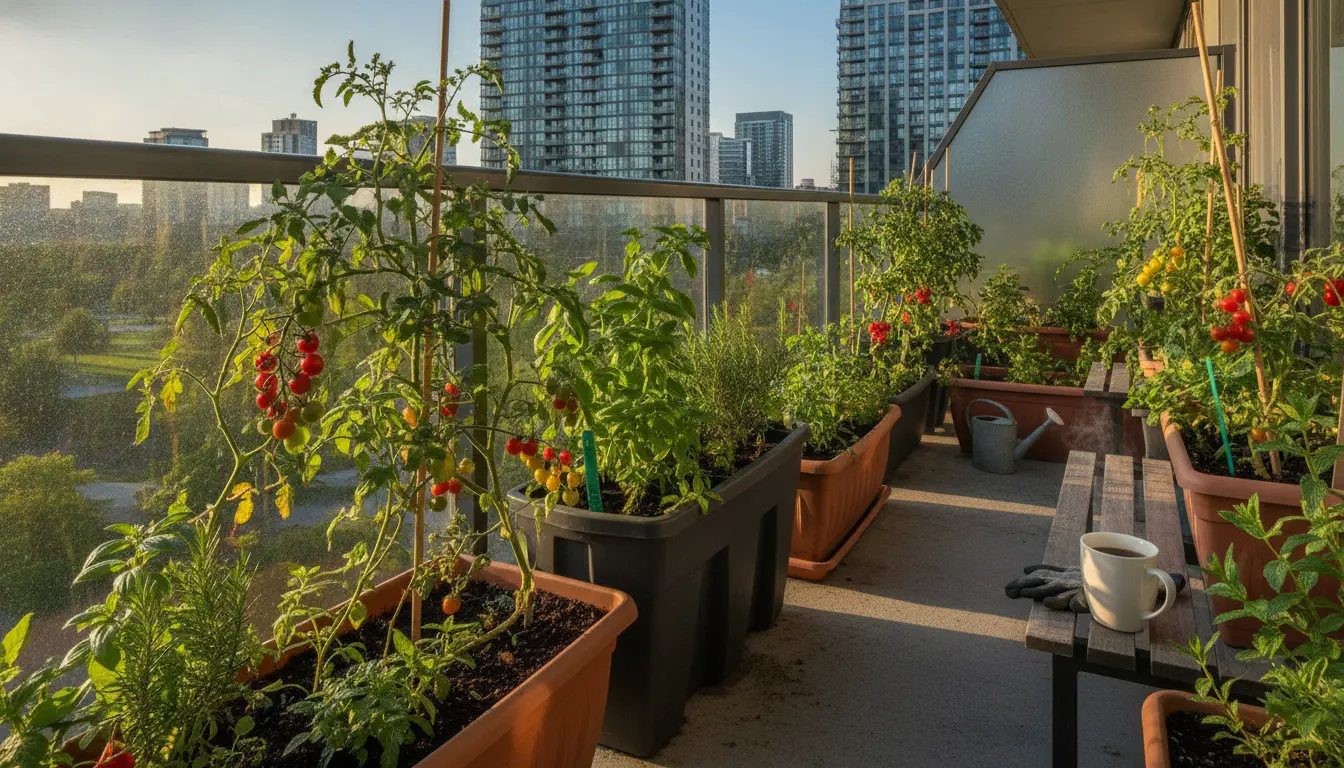
Consider access to water, wind protection, and proximity to your home for easy harvesting and care. If you have limited space, a balcony, patio, or sunny windowsill can work with containers.
Choosing Plants When You Start a Vegetable Garden
Select easy-to-grow vegetables if you are new. Fast rewards keep motivation high and teach basic garden care.
- Good beginner vegetables: lettuce, radishes, cherry tomatoes, green beans, herbs (basil, parsley).
- Choose varieties labeled “compact” or “bush” for small spaces.
- Check your USDA zone or local extension recommendations for timing and varieties.
How to Start a Vegetable Garden: Prepare Soil and Containers
Healthy soil is the foundation of a productive garden. Test and improve soil before planting to reduce problems later.
For in-ground beds, perform a soil test to check pH and nutrients. Add compost and organic matter to improve texture and fertility.
Soil Mix for Containers
Use a high-quality potting mix for containers rather than garden soil. Potting mixes drain well and reduce compaction.
- Basic container mix: potting mix + compost + perlite for drainage.
- Ensure containers have drainage holes and are large enough for roots.
How to Start a Vegetable Garden: Planting and Timing
Follow recommended planting dates for your region. Start cold-hardy crops earlier and warm-season crops after the last frost date.
You can start many vegetables from seed or buy seedlings from a nursery. Seeds are cheaper but need careful watering and protection; seedlings give faster results.
Spacing and Succession Planting
Respect spacing on seed packets or plant labels to avoid overcrowding. Overcrowded plants compete for light and nutrients.
Use succession planting—sowing new seeds every 2–3 weeks—to ensure continuous harvests of lettuce, radishes, and greens.
How to Start a Vegetable Garden: Watering and Maintenance
Consistent watering is essential. Aim for deep, infrequent watering rather than shallow daily sprays to encourage strong roots.
Mulch around plants to retain moisture, suppress weeds, and moderate soil temperature. Organic mulches like straw or shredded leaves work well.
Weeding, Feeding, and Pruning
Remove weeds promptly to avoid competition. Light feeding with balanced organic fertilizer or compost tea every 3–4 weeks supports growth.
Some plants benefit from light pruning or pinching (e.g., tomatoes and herbs) to focus energy on fruit production.
How to Start a Vegetable Garden: Pest and Disease Basics
Start with preventive measures: healthy soil, good air circulation, crop rotation, and clean tools. These reduce the chance of pest and disease problems.
- Use row covers to protect young plants from insects.
- Handpick larger pests like slugs and caterpillars when possible.
- Introduce or encourage beneficial insects such as ladybugs and lacewings.
When to Use Treatments
Use targeted, least-toxic treatments when problems appear. Soap sprays, neem oil, and biological controls are safer than broad-spectrum pesticides.
Diagnose problems early by checking leaves, stems, and soil regularly to identify pests and symptoms promptly.
Many common vegetables like lettuce and radishes can be harvested within 30 days from sowing, giving quick rewards for beginner gardeners.
How to Start a Vegetable Garden: Quick Checklist
Use this checklist to get started and stay on track with basic tasks and timing.
- Select a sunny site or container spot with 6+ hours of sun.
- Test and improve soil or choose a quality potting mix.
- Pick beginner-friendly plants and check planting dates.
- Plant with proper spacing and mulch to retain moisture.
- Water deeply, monitor pests, and feed lightly as needed.
Small Case Study: Urban Balcony Garden
Sarah, a city resident, began a balcony garden using three 18-inch planters. She filled them with a mix of potting soil and compost, planted cherry tomatoes, basil, and salad greens, and positioned the planters to catch morning sun.
By watering deeply every 2–3 days, mulching lightly, and removing yellowing leaves, she harvested fresh salad greens within five weeks and tomatoes later in the season. Her small setup produced multiple harvests and required about 20 minutes of care twice a week.
Final Tips to Start a Vegetable Garden
Start small and expand as you gain confidence. Small, successful harvests teach skills and reduce overwhelm.
Keep notes on planting dates, varieties, and results. Simple records help you improve each season and choose the best crops for your space.
With basic planning, good soil, and consistent care, you can start a vegetable garden that provides fresh, homegrown food and a rewarding hobby.