
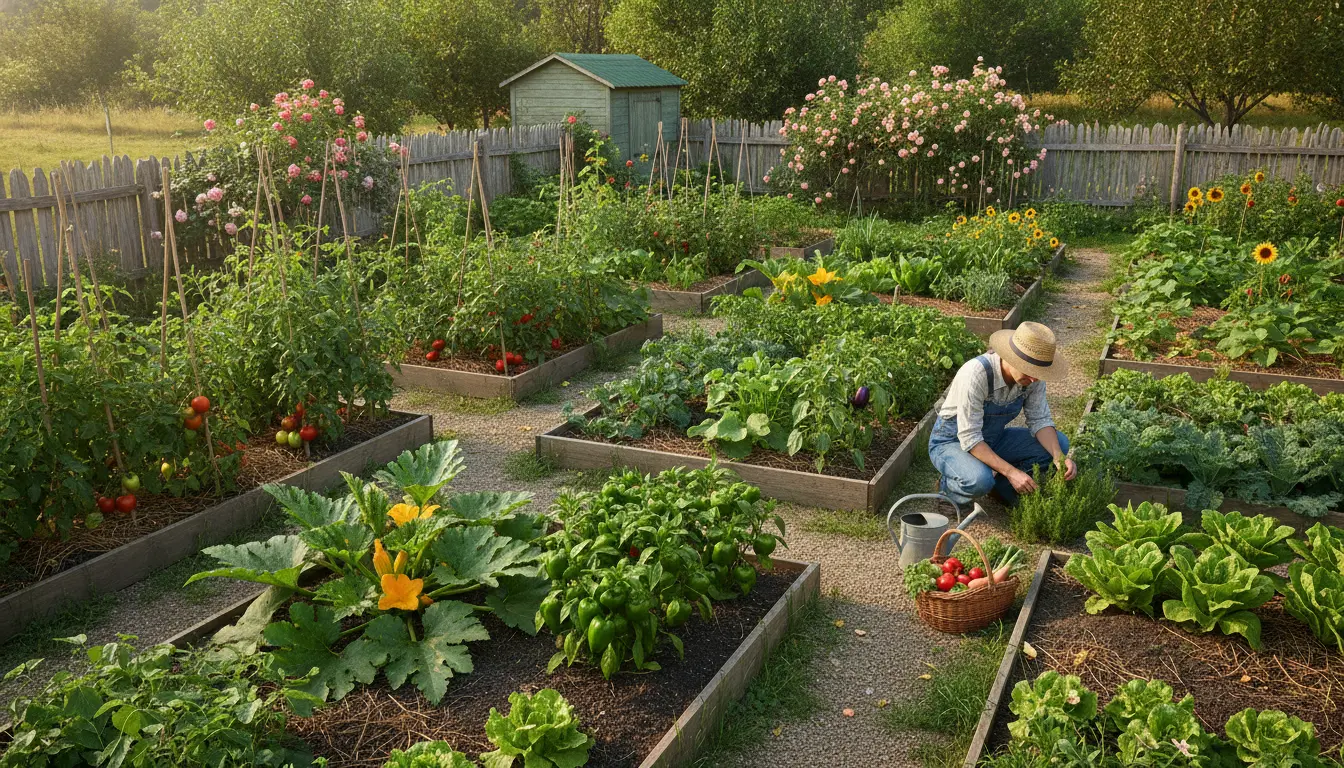
Growing vegetables at home is a practical way to save money, improve food quality, and enjoy a hands-on hobby. This guide gives clear, step-by-step instructions you can use whether you have a balcony, a small yard, or a larger plot.
Why Start a Vegetable Garden?
When you start a vegetable garden you get fresher produce and better control over how food is grown. Small gardens can yield a lot of food and reduce grocery trips.
Gardening also provides light exercise and mental benefits. Even a few containers can supply herbs and salad greens for months.
How to Start a Vegetable Garden: Step-by-Step
Follow these practical steps when you start a vegetable garden. Each step is concise so you can act quickly and confidently.
1. Choose the Right Location
Pick a spot with at least 6 hours of sunlight daily for most vegetables. If full sun isn’t possible, focus on leafy greens and root crops that tolerate partial shade.
- Sunny location: tomatoes, peppers, cucumbers
- Partial shade: lettuce, spinach, chard
- Container options: for balconies or patios
2. Decide What to Plant Based on Space
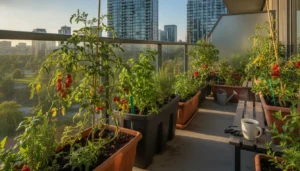
Select plants that match your climate, season, and available space. Start with 4–6 easy crops to reduce complexity.
- Beginner-friendly: tomatoes, lettuce, radishes, beans, herbs
- High yield in small space: bush beans, leaf lettuce, dwarf tomatoes
3. Test and Improve Soil
Good soil simplifies everything. If you can, test pH and nutrient levels using a home kit or local extension service.
Most vegetables prefer slightly acidic to neutral soil (pH 6.0–7.0). Add compost and a balanced slow-release fertilizer to improve structure and fertility.
4. Plan a Simple Layout
Use raised beds or rows if you have ground space. For small areas, containers or vertical supports maximize capacity.
- Raised beds: better drainage and soil control
- Containers: flexible placement and easier pest control
- Vertical trellises: saves floor space for vining crops
5. Plant at the Right Time
Check local frost dates and plant accordingly. Cool-season crops go in before final frost; warm-season crops after the danger of frost passes.
- Cool-season: peas, spinach, radish (early spring or fall)
- Warm-season: tomatoes, peppers, squash (late spring onward)
6. Water and Mulch Correctly
Consistent moisture is key. Water deeply at the base of plants rather than frequent shallow sprays. Mulch retains moisture and reduces weeds.
- Watering: 1–2 inches per week depending on weather
- Mulch: straw, shredded bark, or compost layer 2–3 inches thick
7. Maintain and Protect Your Garden
Regular tasks include weeding, monitoring pests, and pruning. Use row covers for early pests and hand-pick large insects when possible.
Rotate crops annually to reduce disease build-up in the soil.
8. Harvest and Store
Harvest regularly to encourage production. Many crops taste best when harvested young and fresh from the garden.
- Tomatoes: harvest when fully colored
- Lettuces: pick outer leaves or cut whole heads
- Beans: pick while pods are firm and before seeds bulge
Small Real-World Example
Sara, a beginner with a 6×8 foot raised bed, planted tomatoes, basil, lettuce, and bush beans. She spent two weekends preparing soil and installing drip irrigation.
By mid-summer she harvested daily salad greens and several baskets of tomatoes. Her seed and starter cost was about $60; she estimated a $240 saving in store-bought vegetables that season.
Common Mistakes When You Start a Vegetable Garden
- Planting too many crops at once — start small and expand
- Ignoring soil health — poor soil reduces yields rapidly
- Overwatering or underwatering — check soil moisture before watering
- Late planting of warm-season crops — leads to poor fruit set
Quick Care Schedule
- Daily: check for pests, water in hot weather early morning
- Weekly: weed, harvest, and inspect plant health
- Monthly: add compost or side-dress with organic fertilizer
By following these steps you can start a vegetable garden that fits your time and space. Begin with a simple plan, learn from the first season, and expand gradually.
Try one new technique each month — for example, installing drip irrigation or trying a new crop — and keep notes. Your garden will improve quickly with small, consistent changes.