
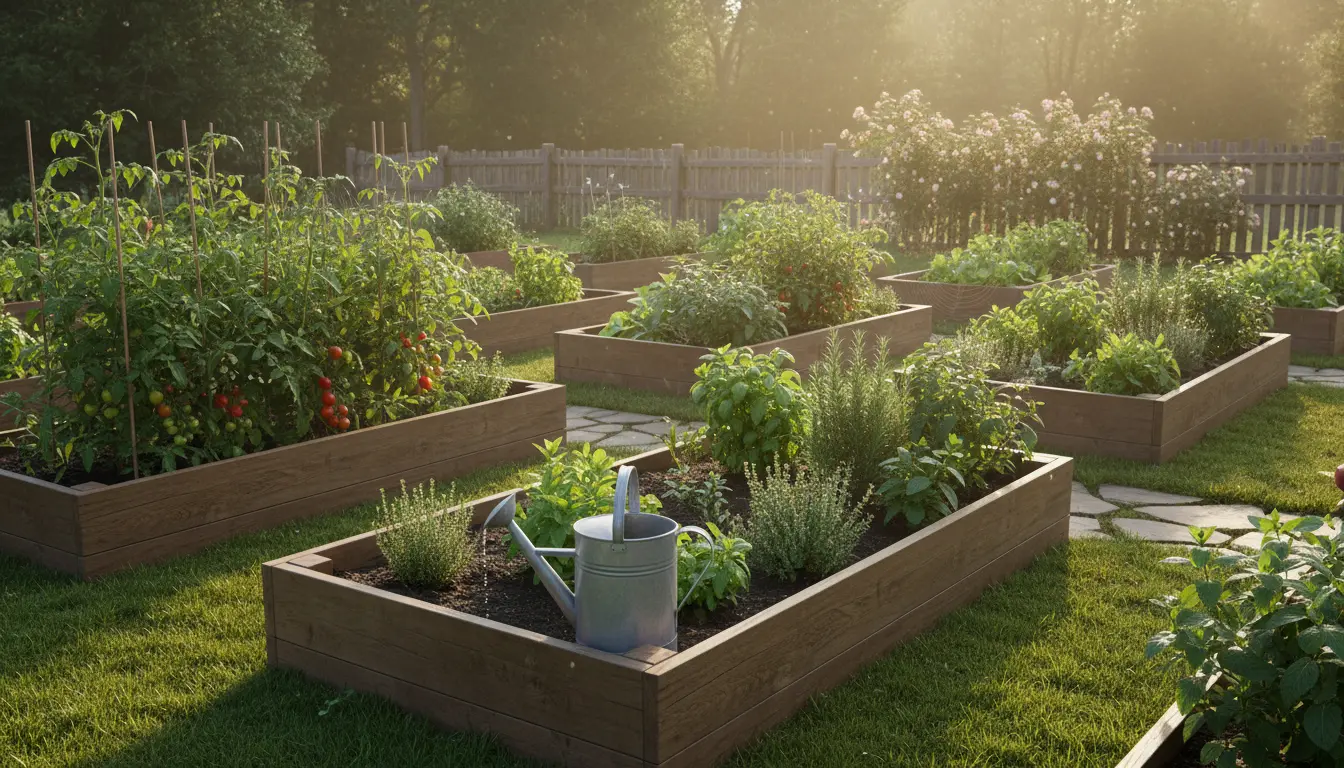
Why start a vegetable garden
Growing your own vegetables saves money and improves access to fresh food. A small garden can supply herbs and salad greens through the growing season.
Beyond food, gardening improves mental health and teaches practical skills for future plantings. This guide explains how to start a vegetable garden in clear, actionable steps.
How to Start a Vegetable Garden: Plan Before You Plant
Planning reduces wasted time and resources. Decide goals, the space you have, and how much time you can commit each week.
Consider these planning questions:
- Do you want containers, raised beds, or in-ground rows?
- How many hours per week can you water, weed, and harvest?
- Which vegetables do you and your family eat most?
Choose the right location to start a vegetable garden
Sunlight is the first requirement. Most vegetables need at least six hours of direct sun per day.
Also check water access and proximity to your home for easier maintenance. Level ground with good drainage is ideal.
Assess your soil before you start a vegetable garden
Healthy soil makes gardening easier. Do a simple soil test to check pH and texture, or use a home kit for basic nutrients.
If soil is compacted or clay-heavy, raised beds or adding organic matter will improve conditions quickly.
How to Start a Vegetable Garden: Step-by-Step Setup
Follow these core steps to get a productive bed or container.
1. Prepare the planting area
Remove grass and weeds and loosen the top 6–12 inches of soil for in-ground gardens. In raised beds, fill with a mix of topsoil and compost.
Work in 2–4 inches of compost to improve fertility and structure.
2. Select plants for beginners
Choose easy-to-grow vegetables to build confidence. Good starter crops include:
- Leafy greens: lettuce, spinach
- Root crops: radishes, carrots
- Fruit-bearing: cherry tomatoes, bush beans, peppers
- Herbs: basil, parsley
Check your climate zone and planting calendar to know when to sow seeds or transplant seedlings.
3. Planting basics
Follow spacing and depth directions on seed packets or plant tags. Crowding reduces airflow and increases disease risk.
Mulch around plants to conserve moisture and suppress weeds. Use organic mulches like straw or shredded leaves.
4. Watering and feeding
Water deeply and less often rather than shallow daily sprinkles. Aim for consistent soil moisture, especially while fruits form.
Use a balanced organic fertilizer or compost tea according to crop needs. Heavy feeders like tomatoes often benefit from regular feeding.
Maintenance Tips After You Start a Vegetable Garden
Regular care keeps yields steady. Spend 15–30 minutes several times a week during peak season for best results.
Weeding and pruning
Pull weeds when small to prevent root competition. Prune indeterminate tomatoes and remove yellowing leaves to focus energy on fruit.
Pest and disease basics
Inspect plants weekly and use non-chemical controls first: hand-pick pests, use row covers, and encourage beneficial insects.
If needed, choose targeted organic treatments and follow label directions carefully.
Harvesting and Storage
Harvest vegetables at peak ripeness for best flavor and continued production. Frequent harvesting encourages many plants to produce more.
Store produce properly: cool root vegetables in a cellar or fridge, and ripen tomatoes at room temperature out of direct sun.
Many common vegetables mature quickly: radishes can be ready in 3–4 weeks and leaf lettuce in 4–6 weeks. Fast crops are great for new gardeners to see quick success.
Simple Tools You Need to Start a Vegetable Garden
- Hand trowel and fork
- Watering can or hose with gentle nozzle
- Pruning shears
- Garden gloves
- Soil test kit (optional)
Short Case Study: One Small Backyard Garden
Maya converted a 10 x 10 foot sunny corner into two 4 x 8 raised beds. She filled them with a 60/40 mix of topsoil and compost and planted tomatoes, basil, lettuce, and bush beans.
In her first season she spent about two hours per week on maintenance. By mid-summer she harvested weekly salads and several pounds of tomatoes, reducing her grocery bill and learning which varieties performed best.
Common Problems and Quick Fixes When You Start a Vegetable Garden
- Slow growth: Add compost and check sunlight hours.
- Yellowing leaves: Test soil pH and check for overwatering.
- Pest outbreaks: Use row covers early and release beneficial insects like ladybugs.
Final Tips Before You Start a Vegetable Garden
Start small and expand as you gain experience. Success with a few crops is better than a large patch of struggling plants.
Keep a simple garden journal noting planting dates, varieties, and harvest amounts. This makes each season easier and more productive.
With basic planning, correct site selection, and regular care, anyone can start a vegetable garden and enjoy fresh, homegrown food.