
Why start composting at home
Composting turns kitchen and yard waste into a useful soil amendment. It reduces trash volume, cuts methane emissions, and improves garden soil structure.
This guide explains practical steps to start composting at home, whether you have a backyard or a small apartment.
Choose a composting method for your situation
Pick a method that fits your space and time. The most common options are backyard bins, tumblers, and indoor countertop systems.
Backyard compost bin
Good for homeowners with space. Requires moderate effort for turning and monitoring moisture.
Compost tumbler
Easier to turn and faster to produce compost. Tumblers are tidy and good for smaller yards.
Indoor composting and bokashi
For apartments, use a small countertop bin or a bokashi system. Bokashi ferments food waste and is suitable for small spaces.
What to compost: the basics
Compost needs a balance of carbon (browns) and nitrogen (greens). Aim for a rough 25–30:1 carbon-to-nitrogen ratio in mass, which translates to layering brown and green materials.
- Greens (Nitrogen): Fruit and vegetable scraps, coffee grounds, fresh grass clippings.
- Browns (Carbon): Dry leaves, cardboard (shredded), paper, wood chips, straw.
Examples of common items:
- Allowed: fruit peels, vegetable scraps, eggshells, coffee grounds, paper towels, dry leaves.
- Avoid: meat, dairy, oily foods, diseased plants, pet waste from carnivores.
Setting up a simple backyard bin
Choose a flat, well-drained spot with partial sun. A 3×3 foot bin is a good starter size for many households.
- Place a layer of coarse material (twigs) at the bottom for airflow.
- Alternate layers of greens and browns. Aim for 2–4 inches per layer.
- Keep the pile moist like a wrung-out sponge.
Turning and timing
Turn the pile every 1–2 weeks to add oxygen and speed decomposition. With proper balance and turning, compost can be ready in 2–4 months.
Indoor composting tips
Use a small lidded bin with a charcoal filter to control odors. Empty the bin to an outdoor pile or bokashi system weekly.
Bokashi systems ferment waste in sealed containers. After fermentation, bury the pre-compost in soil or add to a backyard pile to finish decomposing.
Troubleshooting common problems
Slow breakdown, bad smells, or pests are common issues. Identify the cause and apply targeted fixes.
- Smelly compost: Likely too wet or too many greens. Add browns and turn the pile to introduce air.
- Pests or rodents: Avoid meat, bones, and oily foods. Use closed bins or bury food scraps under browns.
- Slow decomposition: Check moisture, particle size, and aeration. Chop materials small, add water if dry, and turn more often.
Simple maintenance checklist
- Monitor moisture weekly; water if dry, cover if soaked.
- Add a mix of green and brown materials each week.
- Turn or tumble the pile every 1–2 weeks.
- Harvest finished compost and leave a reserve for ongoing decomposition.
Compost can reduce household waste weight by up to 30 percent and returns nutrients to soil, reducing the need for synthetic fertilizers.
Using finished compost
Finished compost is dark, crumbly, and smells earthy. Use it as a soil amendment, topdressing, or in potting mixes.
- Mix 1 part compost to 3 parts soil for vegetable beds.
- Top dress lawns or established beds with a thin layer of compost.
- Use as a seed starting mix component when finely screened.
Short case study: Small apartment compost success
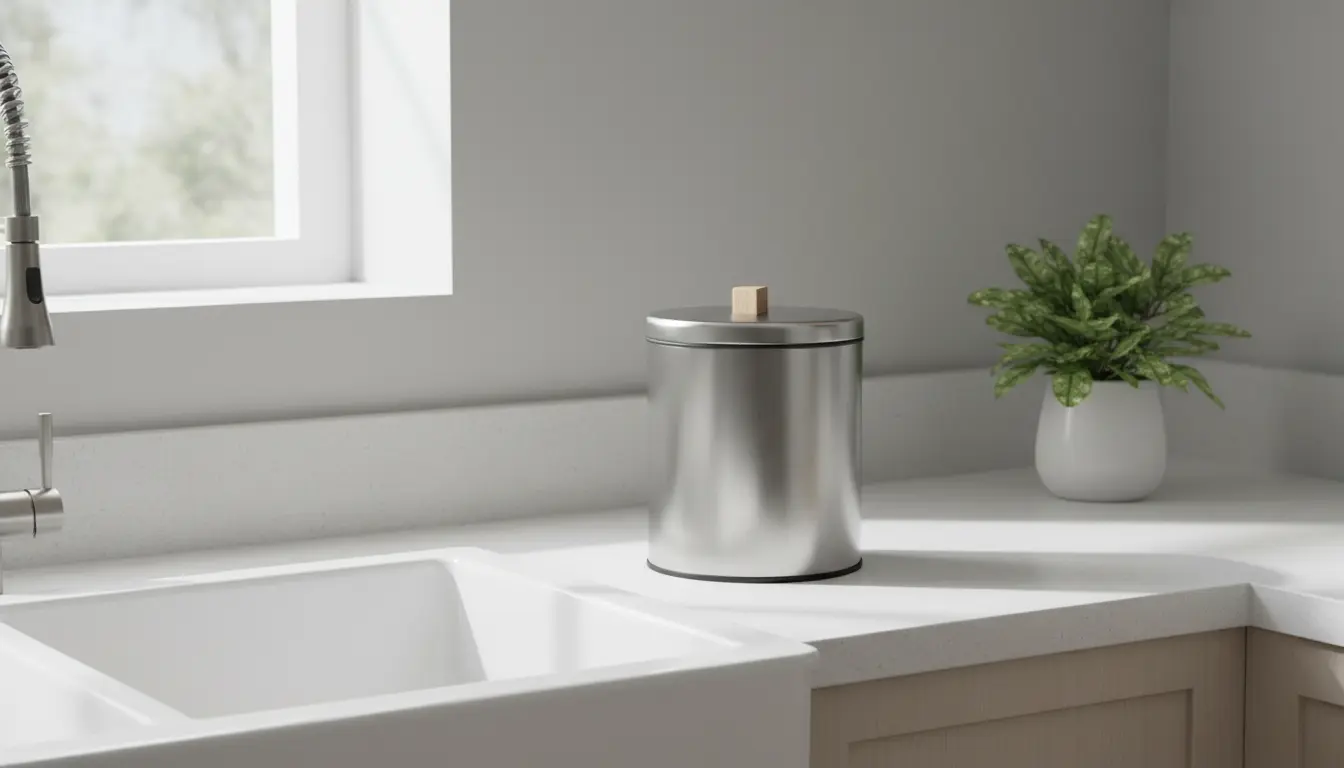
Sarah lives in a two-bedroom apartment and started composting with a 5-liter countertop bin and a backyard community bokashi bucket. She collected fruit and vegetable scraps in the countertop bin and emptied it into the bokashi every few days.
After a six-week bokashi fermentation, she buried the fermented mix in a raised community garden bed. Within three months, the buried material turned into usable compost that improved soil moisture and carrot yields by visible amounts.
Quick start checklist
- Choose a method: bin, tumbler, or bokashi.
- Collect greens and browns; avoid meat and dairy.
- Maintain moisture and aeration; turn regularly.
- Harvest compost when dark and crumbly.
Final tips for success
Start small and learn by doing. Keep a small paper bag near your prep area for dry browns like shredded paper to balance greens quickly.
Join a local gardening group or forum to exchange tips and troubleshoot specific local conditions like heavy rain or dry climates.