
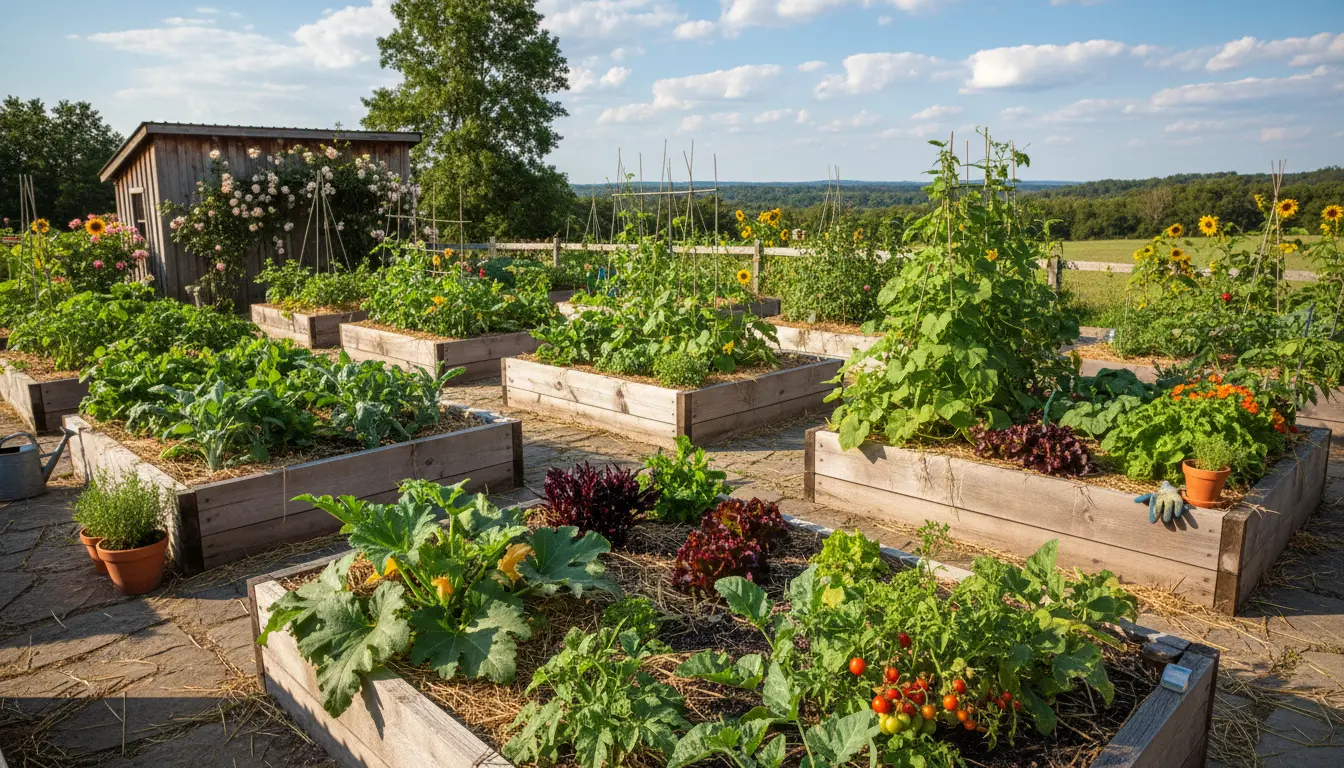
How to Start a Vegetable Garden: First Steps
Starting a vegetable garden is a straightforward project with lasting benefits. This guide explains practical steps you can follow to get a productive garden in your yard or on your balcony.
Define Your Garden Goals
Decide what you want to grow and why. Do you want fresh salad greens, herbs, or staple vegetables like tomatoes and potatoes?
Setting clear goals helps choose the right size, layout, and maintenance plan for your garden.
Choose the Right Site for Your Vegetable Garden
Site selection is the most important factor in how to start a vegetable garden successfully. Vegetables need sunlight, good drainage, and easy water access.
Pick a spot that gets at least 6 to 8 hours of full sun daily. Avoid low areas that collect water or heavy shade from trees.
Consider Access and Visibility
Place the garden where you can easily reach it from your house for watering and harvesting. Visibility reduces neglect and helps you monitor pests and growth.
Prepare the Soil: The Foundation of Your Garden
Healthy soil equals healthy plants. Test or evaluate your soil before planting to know what it needs.
Amend the soil with organic matter to improve structure, drainage, and nutrients. Compost and well-rotted manure are excellent choices.
- Do a simple soil test kit to check pH and nutrients.
- Add 2–4 inches of compost and mix into the top 6–8 inches of soil.
- If soil is heavy clay, add coarse sand and compost for better drainage.
Raised Beds vs. In-Ground Gardens
Raised beds warm faster, drain well, and allow you to control soil quality. In-ground plots are cheaper and can be expanded easily.
Choose raised beds if your native soil is poor or compacted. For large spaces with good soil, traditional rows work fine.
Select Plants and Plan Your Layout
Start with easy, productive crops if you are a beginner. Consider your climate, season, and how much time you have for care.
- Easy starters: lettuce, spinach, radishes, bush beans, zucchini, cherry tomatoes, basil.
- Plant seedlings for a quick start or seeds for low cost and variety.
- Use succession planting to extend harvests through the season.
Companion Planting and Spacing
Give each plant the space it needs; overcrowding reduces yield and increases disease risk. Use companion planting to deter pests and boost growth.
Example: Plant basil near tomatoes to improve flavor and repel some insects.
Watering and Fertilizing Basics
Consistent watering is key to avoid stress and blossom drop. Aim for deep, infrequent watering rather than light daily sprinkles.
Mulch around plants to conserve moisture and reduce weeds. Organic mulches like straw or shredded leaves work well.
- Water in the morning to reduce evaporation and fungal issues.
- Use a balanced organic fertilizer at planting and as needed during growth spurts.
- Monitor plant leaves for signs of nutrient deficiency or overwatering.
Pest and Disease Management
Preventive care is the best defense. Rotate crops each year and remove diseased plants quickly to limit spread.
Encourage beneficial insects like ladybugs and lacewings by planting flowers or avoiding broad-spectrum pesticides.
Simple Controls for Common Pests
- Handpick larger pests such as caterpillars and beetles.
- Use row covers early in the season to protect seedlings from insects and birds.
- Apply insecticidal soap or neem oil as a targeted, lower-toxicity control when needed.
Planting marigolds near vegetable beds can help reduce some root nematode populations and attract pollinators.
Maintenance Routine
Keep a simple weekly routine: check soil moisture, pull weeds, inspect for pests, and harvest ripe produce. Small regular efforts prevent larger problems.
Record what you plant and where; notes help improve yields year to year.
Seasonal Tasks
- Spring: Prepare beds, plant cool-season crops and seedlings.
- Summer: Monitor water needs, thin crowded crops, stake tall plants.
- Fall: Harvest remaining produce, add compost, and plan cover crops for winter.
Small Case Study: A Beginner’s First Season
Case study — Sarah, a first-time gardener, converted a 4×8 raised bed on her apartment balcony. She used a mix of compost and store-bought potting soil and chose cherry tomatoes, basil, lettuce, and bush beans.
By following a weekly routine of deep watering twice a week and staking tomatoes early, she harvested salad greens within six weeks and a steady supply of tomatoes by mid-summer. Her straightforward approach cut grocery spending and increased her confidence for the next season.
Quick Checklist: How to Start a Vegetable Garden
- Choose a sunny site and plan access to water.
- Test and amend soil; consider raised beds if needed.
- Select easy crops and plan spacing.
- Mulch, water deeply, and feed as required.
- Monitor pests, rotate crops, and keep a simple maintenance schedule.
Starting a vegetable garden is a manageable project that rewards consistency more than perfection. Use these steps to begin, observe results, and adjust in the next season.