
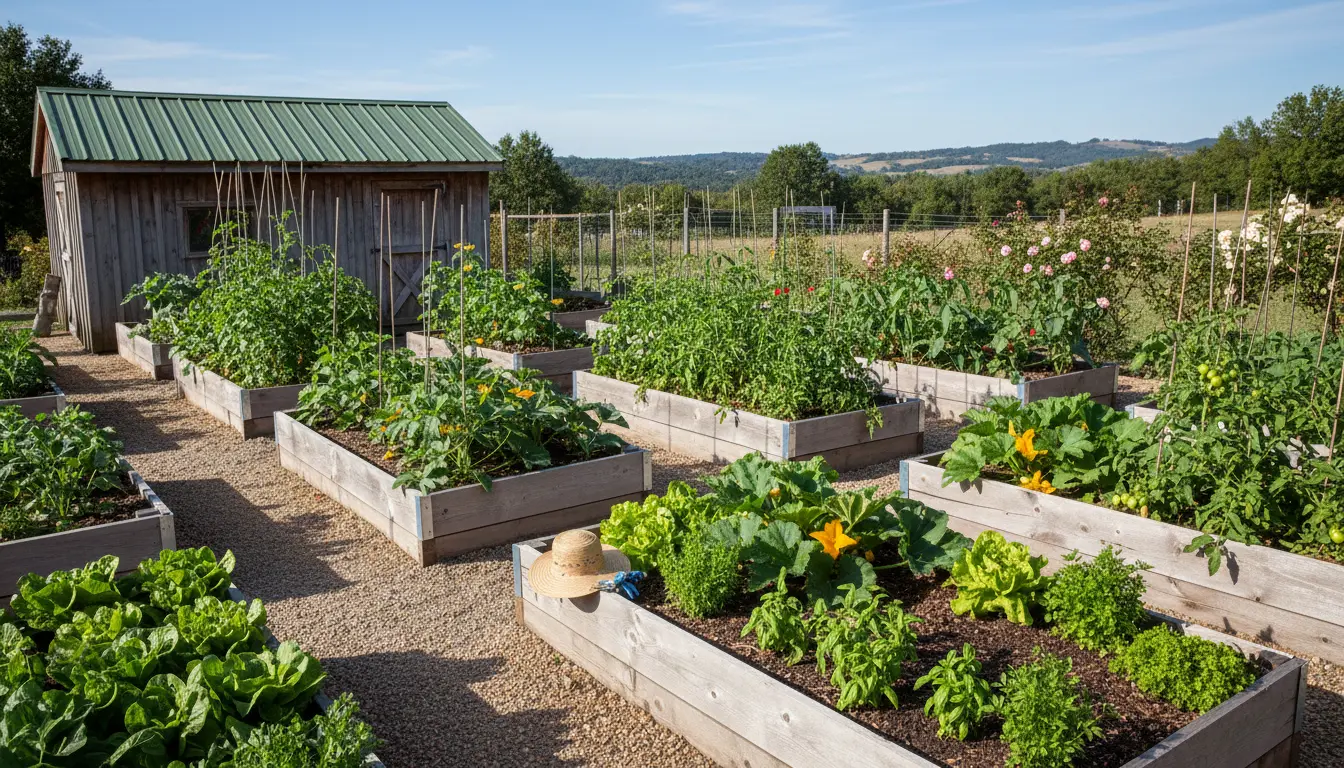
Starting a vegetable garden is a manageable project for almost any yard or balcony. This guide explains how to start a vegetable garden in clear, practical steps you can follow this season.
How to Start a Vegetable Garden: Planning and Location
Good planning saves time and increases your harvest. Choose a location that gets at least 6 hours of direct sun daily for most vegetables.
Consider proximity to water and easy access for weeding and harvesting. If space is limited, consider containers or a raised bed.
How to Start a Vegetable Garden: Choosing Plants
Choose plants that match your climate, season, and skill level. Start with easy crops like lettuce, radishes, tomatoes, and bush beans.
- Beginner-friendly vegetables: lettuce, spinach, radish, green beans
- High-reward plants: tomatoes, peppers, zucchini
- Consider succession planting to extend harvests
Choosing Where to Plant
Assess sun, wind, and drainage. Vegetables need full sun and well-draining soil. Avoid low spots where water pools after rain.
If soil quality is poor, raised beds or containers with a good potting mix are excellent alternatives. Raised beds warm faster and drain better.
How to Start a Vegetable Garden: Size and Layout
Start small to learn fast. A 4×8-foot raised bed is easy to manage for beginners and can supply a family with fresh produce through the season.
Lay out paths for easy access and avoid stepping on growing beds to prevent soil compaction.
Soil Preparation and Compost
Soil is the most important factor. Test soil pH and nutrient levels if possible. Most vegetables prefer a pH between 6.0 and 7.0.
Improve soil structure with compost. Work 2–3 inches of compost into the top 6–8 inches of soil before planting.
- Add organic matter for better water retention and nutrients
- Add coarse sand or grit if drainage is a problem
- Use slow-release organic fertilizer if a soil test shows deficiencies
Planting: Seeds vs. Seedlings
Sow seeds directly for quick crops like radishes and lettuce. Use seedlings for slower-starting crops like tomatoes and peppers.
Follow depth and spacing instructions on seed packets. Crowding reduces airflow and encourages disease.
How to Start a Vegetable Garden: Watering and Mulching
Water at the base of plants in the morning to minimize evaporation and leaf wetness. Most vegetables need about 1 inch of water per week, adjusted for rain.
Mulch around plants with straw, shredded leaves, or bark to conserve moisture and suppress weeds.
- Drip irrigation or soaker hoses deliver water efficiently
- Avoid overhead watering late in the day to reduce fungal risk
Pest Control and Maintenance
Regular inspection is the simplest pest control method. Remove damaged leaves, handpick pests, and use row covers to protect seedlings early in the season.
Practice crop rotation and diversity to reduce disease pressure. Companion planting can help deter pests naturally.
Common Problems and Quick Fixes
- Yellowing leaves: check watering and soil nutrients
- Stunted growth: test pH and improve soil with compost
- Slugs and snails: handpick at dusk or use beer traps
Harvesting and Preserving
Harvest regularly to encourage more production. Pick tomatoes when they are fully colored and slightly soft to the touch.
Preserve excess produce by freezing, canning, or pickling. Simple blanching before freezing keeps texture and color.
Planning for Next Season
Take notes on what worked and what failed. Rotate crops and amend soil with compost in the fall to prepare for the next season.
Save seeds from non-hybrid plants to reduce future costs and preserve varieties you like.
Case Study: Small Raised Bed Success
Marisol, a city apartment gardener, started a 4×8 raised bed on a sunny balcony. She planted tomatoes, bush beans, lettuce, and herbs.
After one season she harvested roughly 20 pounds of tomatoes, 10 pounds of beans, and multiple harvests of lettuce. Her initial investment was under $150 for beds and soil, and she estimates the garden paid for itself in store savings in two months.
This small example shows that modest space and consistent care can yield meaningful results.
Simple Weekly Checklist
- Water deeply in the morning as needed
- Inspect for pests and remove affected leaves
- Harvest ripe vegetables and sow a few quick crops for succession
- Top up mulch and record observations in a garden journal
How to start a vegetable garden comes down to sun, soil, water, and consistent care. Start small, learn from each season, and expand as your confidence grows.