
Getting Started: How to Start a Vegetable Garden
Starting a vegetable garden is a practical way to grow fresh food and learn a useful skill. This guide explains clear steps you can follow whether you have a small balcony or a backyard.
Why Start a Vegetable Garden
Growing your own vegetables saves money and gives you control over what goes into your food. It also provides exercise and reduces the environmental impact of store-bought produce.
Expect a learning curve. Begin with easy crops and expand as you gain confidence.
Choosing Location and Layout: How to Start a Vegetable Garden Right
Location affects plant health and yield. Pick a spot that gets at least 6 hours of direct sunlight daily for most vegetables.
Consider these layout options:
- In-ground rows for larger yards
- Raised beds for better drainage and soil control
- Container gardens for balconies or patios
Soil Basics: How to Start a Vegetable Garden With Good Soil
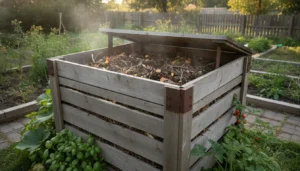
Soil quality is the most important factor. Test soil pH and nutrient levels with a basic kit or local extension service.
Improve soil by adding organic matter like compost or well-rotted manure. Aim for loose, crumbly soil that drains but holds moisture.
Selecting Vegetables for Success
Choose vegetables suited to your climate, season, and available time. Start with productive, low-maintenance crops.
- Beginner-friendly: lettuce, radishes, green beans, cherry tomatoes, zucchini
- Perennials/long-term: asparagus, rhubarb (plan their space)
- Herbs: basil, parsley, chives — useful and compact
Crop Planning and Spacing
Check seed packet directions for spacing and days to maturity. Crowded plants give lower yields and are more disease-prone.
Use succession planting to harvest steadily: plant lettuce every two weeks, for example.
Planting and Care: Practical Steps
Follow these steps when planting:
- Prepare beds: remove weeds and add compost.
- Sow seeds or transplant seedlings at recommended depth.
- Water gently after planting to settle soil.
Daily attention is not required, but check plants every few days. Keep soil evenly moist, especially during germination and flowering.
Watering, Mulching, and Feeding
Water early in the morning to reduce evaporation and disease risk. Aim for deep, infrequent watering rather than light daily sprinkling.
Mulch around plants to conserve moisture and suppress weeds. Use straw, wood chips, or compost as mulch.
Feed plants with a balanced fertilizer or compost tea according to crop needs and soil test results.
Pest Control and Common Problems
Plan for pests and disease with prevention and simple controls. Healthy plants are less susceptible to problems.
Practical pest strategies:
- Hand-pick larger pests like slugs or caterpillars.
- Use row covers to protect young plants from insects and birds.
- Encourage beneficial insects by planting flowers like marigolds and borage.
Rotate crops each season to reduce soil-borne diseases and pest buildup.
Harvesting and Storage
Harvest vegetables at peak ripeness for best flavor and nutrition. Check seed packets for maturity times.
Store produce properly: leafy greens in the fridge, root crops in cool dark places, and tomatoes at room temperature until ripe.
Some vegetables, like lettuce and spinach, can be harvested multiple times by cutting outer leaves and allowing the center to regrow. This method is called cut and come again.
Small Case Study: A Real-World Example
Case Study: Anna, a first-time gardener, used a 4×8 raised bed to start a vegetable garden on her sunny patio.
She prepared the soil with one wheelbarrow of compost and planted cherry tomatoes, basil, leaf lettuce, and green beans in late spring. Anna watered deeply twice a week and used mulch around plants.
By mid-summer she harvested regular salads and several pints of cherry tomatoes. Her lesson: start small, choose easy crops, and water consistently.
Quick Seasonal Tips
- Spring: focus on soil preparation and cool-season crops like peas and lettuce.
- Summer: maintain watering and harvest frequently to encourage production.
- Fall: plant cover crops or add compost to beds for winter rest.
Simple Checklist to Start Your Vegetable Garden
- Choose a sunny location
- Test and improve soil
- Select 3–6 easy crops for your first season
- Set up watering and mulch beds
- Monitor pests and harvest regularly
Starting a vegetable garden is a step-by-step process. With basic planning, soil care, and consistent attention you can grow fresh produce at home.