
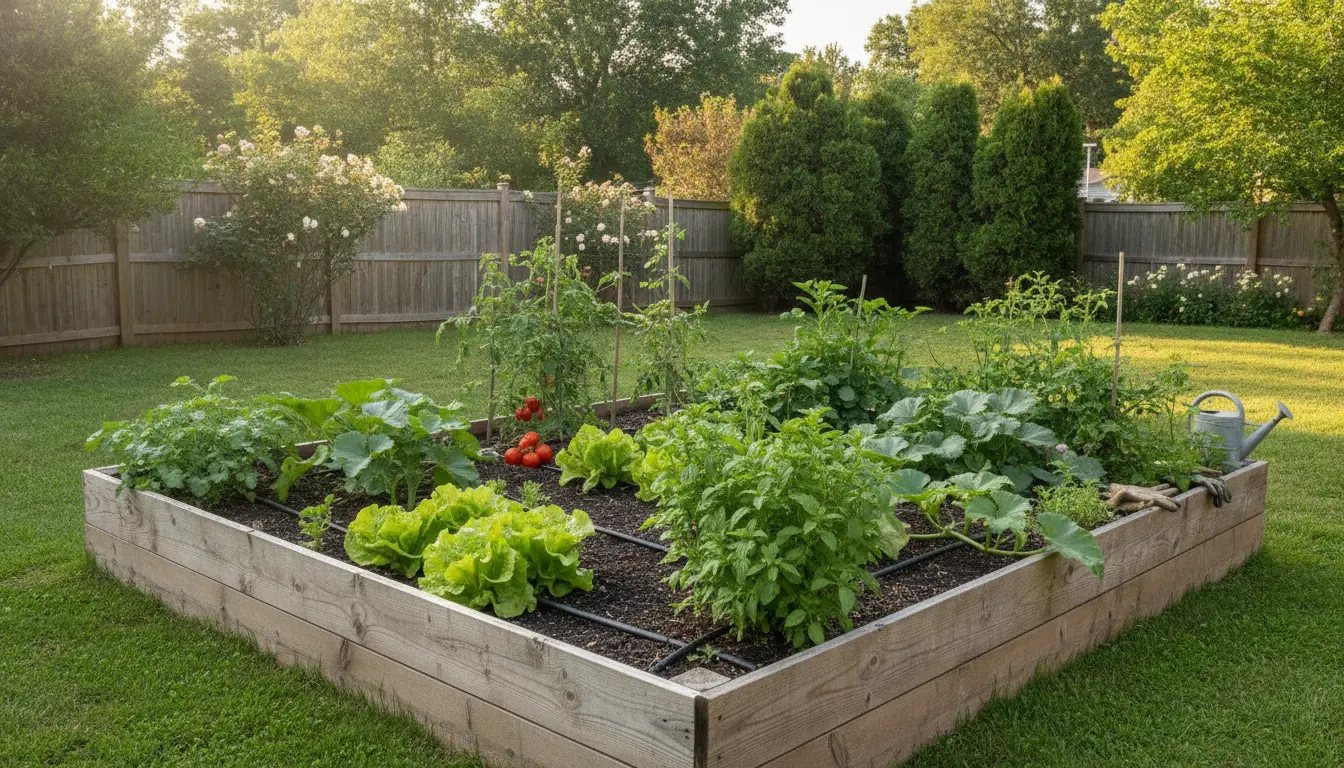
How to Start a Vegetable Garden: Step-by-Step
Starting a vegetable garden is a practical way to grow fresh food, save money, and enjoy outdoor time. This guide gives clear steps you can follow from planning to harvest, using simple methods suitable for small yards or containers.
Plan Your Vegetable Garden
Good planning saves time and reduces mistakes. First decide where to place the garden based on sunlight, access to water, and convenience.

Consider these points when planning:
- Sunlight: Most vegetables need at least 6 hours of direct sun daily.
- Soil access: Avoid areas with poor drainage or compacted soil.
- Water: Place the garden near a hose or irrigation source.
- Size: Start small—4×4 or 4×8 raised beds are manageable for beginners.
How to Start a Vegetable Garden in Small Spaces
If you have limited space, choose containers, window boxes, or vertical supports. Many vegetables do well in pots if they have good soil and regular watering.
Vegetables suited to containers include:
- Tomatoes (determinate varieties)
- Leafy greens like lettuce and spinach
- Herbs such as basil and parsley
- Peppers and dwarf beans
Prepare Soil and Beds
Healthy soil is the foundation of a productive garden. Test soil if possible, but you can improve most soils with compost and simple amendments.
Basic steps to prepare soil:
- Clear debris, weeds, and grass from the bed area.
- Loosen soil to a depth of 8–12 inches for beds; use quality potting mix for containers.
- Mix in 2–3 inches of compost to improve structure and fertility.
- For heavy clay, add coarse sand and organic matter to aid drainage.
Choose Vegetables and Planting Dates
Select vegetables that match your climate and season. Beginners should favor easy crops with quick results to build confidence.
Easy starter vegetables:
- Lettuce and salad greens — fast and continuous harvests.
- Radishes — mature in as little as 3–4 weeks.
- Bush beans — low maintenance and productive.
- Cherry tomatoes — forgiving and high yielding.
How to Start a Vegetable Garden: Timing and Succession Planting
Timing matters. Plant cool-season crops in early spring or fall and warm-season crops after the last frost. Use succession planting to maximize harvests by sowing small amounts every 2–3 weeks.
Planting Techniques
Follow seed packet or plant tag instructions for spacing and depth. Give seedlings room to grow and avoid overcrowding, which leads to disease.
General tips:
- Water deeply at the base rather than overhead to reduce leaf diseases.
- Mulch with straw or wood chips to conserve moisture and suppress weeds.
- Support vining plants like tomatoes and cucumbers with cages or trellises.
Watering and Feeding
Establish a regular watering schedule, especially during dry spells. Most gardens need about 1 inch of water per week, delivered at the soil level.
Fertilize based on plant needs. Compost is a gentle, reliable feed. For fast-growing vegetables, use a balanced fertilizer once or twice during the season.
Pest and Disease Management
Prevention is the best approach. Keep plants healthy, rotate crops yearly, and remove diseased material promptly.
Practical pest controls:
- Handpick large pests like caterpillars and beetles.
- Use row covers early to protect seedlings from insects.
- Introduce beneficial insects, such as ladybugs, for aphid control.
Planting a mix of flowers like marigolds and nasturtiums near vegetables can attract pollinators and repel some pests naturally.
Harvesting and Crop Rotation
Harvest vegetables when they reach recommended size and flavor. Regular picking encourages more production for many crops.
Rotate families of vegetables each season to reduce pest and disease buildup. For example, follow tomatoes with legumes instead of planting tomatoes in the same spot again.
Real-World Example: A Small Raised Bed Case Study
Case: A homeowner started a 4×8 raised bed using reclaimed lumber. They filled it with a mix of garden soil and compost, then planted lettuce, radishes, bush beans, and two determinate tomato plants.
Results: In the first season they harvested salad greens weekly and tomatoes later in summer. The bed produced enough vegetables for the household of two and reduced salad purchases by about 50% that season.
Simple Maintenance Checklist
- Water consistently, checking soil moisture twice a week.
- Mulch and weed every 1–2 weeks to keep beds tidy.
- Inspect plants for pests and remove damaged leaves promptly.
- Top up compost or organic fertilizer midseason as needed.
Starting a vegetable garden is a step-by-step process that rewards planning and regular care. Begin small, learn from each season, and expand as you gain confidence. With good soil, proper sunlight, and a bit of routine, you can grow reliable, healthy produce at home.