
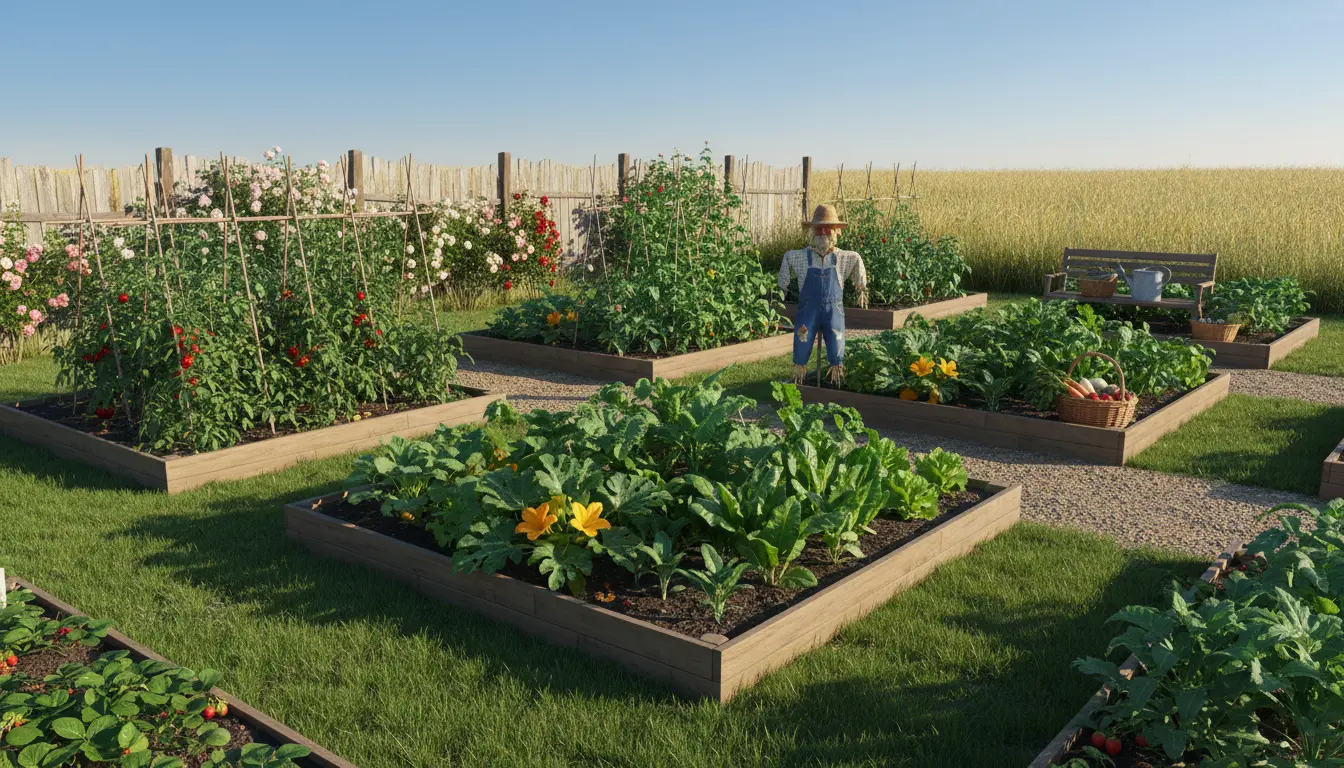
Starting a vegetable garden is a practical way to grow fresh food, save money, and enjoy outdoor activity. This guide gives clear steps to start a vegetable garden, from choosing a spot to harvesting the first crops.
Choose the right spot to start a vegetable garden
Location matters when you start a vegetable garden. Most vegetables need at least six hours of direct sunlight daily.
Look for a flat area with good drainage and easy access to water. Avoid low spots that collect cold air or stay soggy after rain.
Sunlight and space tips
- Full sun: tomatoes, peppers, cucumbers.
- Partial shade: leafy greens, herbs.
- Measure space: a 4×8 foot bed grows a variety of vegetables for a small family.
Test and prepare soil before you start a vegetable garden
Good soil is critical to success. Test pH and nutrient levels with a simple kit or local extension service.
Most vegetables prefer slightly acidic to neutral soil (pH 6.0 to 7.0). Add organic matter to improve structure and fertility.
Simple soil improvement steps
- Remove weeds and debris from the planting area.
- Loosen soil to 8–12 inches using a fork or tiller.
- Work in 2–4 inches of compost or well-rotted manure.
Plan what to grow when you start a vegetable garden
Select crops that match your climate, season, and cooking habits. Starting with easy crops raises your chances of success.
Consider space, maturity time, and whether you want continuous harvests or single-season crops.
Beginner-friendly vegetables
- Leafy greens: lettuce, Swiss chard
- Root vegetables: carrots, radishes
- Vining or staking: tomatoes, bush beans
- Herbs: basil, parsley, chives
Planting guide to start a vegetable garden
Decide between seeds and transplants. Seeds are cheaper and have more variety, while transplants give a head start on the season.
Follow seed packet or plant tag instructions for spacing and depth. Overcrowding reduces airflow and increases disease risk.
Planting timeline and spacing example
- Tomatoes: transplant after last frost, 18–24 inches apart.
- Lettuce: sow every 2–3 weeks for continuous harvest, thin to 6–8 inches.
- Carrots: sow thinly in rows, thin to 2–3 inches when seedlings reach 2 inches tall.
Care and maintenance for your vegetable garden
Regular maintenance keeps plants productive. Water, feed, and manage pests using practical methods.
Water deeply and less often to encourage strong roots. Early morning watering reduces evaporation and disease risk.
Ongoing tasks to maintain a healthy garden
- Mulch to retain moisture and suppress weeds.
- Fertilize with balanced organic fertilizer or compost tea every 3–6 weeks as needed.
- Inspect plants weekly for pests and signs of disease; remove affected leaves promptly.
Harvesting and succession planting
Harvest frequently to encourage more production. Pick tomatoes when they are fully colored and slightly soft.
Use succession planting to keep beds productive: after harvesting early crops, plant a second crop suited to the season.
Small real-world case study
Case study: Anna turned a 10×10 foot backyard patch into a productive vegetable garden. She chose a sunny corner, built two 4×8 raised beds, and amended the soil with compost.
In her first season she grew tomatoes, basil, lettuce, and carrots. She started tomatoes from transplants and direct-sowed carrots and lettuce. By mid-summer she was harvesting salad greens weekly and made two rounds of canning tomato sauce from homegrown tomatoes.
Lessons learned: start small, amend soil early, and schedule a weekly 30-minute garden check for watering and weeding.
Common problems and quick fixes when you start a vegetable garden
Early problems are fixable. Yellowing leaves often indicate nutrient deficiency or overwatering, while holes in leaves usually point to pests.
Try these practical fixes before drastic measures.
- Yellowing leaves: check watering frequency and add balanced compost.
- Slow growth: ensure plants get enough sunlight and are not rootbound.
- Pests: use hand-picking, insecticidal soap, or row covers as needed.
Checklist to start a vegetable garden
- Choose a sunny, well-drained spot.
- Test and improve soil with compost.
- Select beginner-friendly crops and plan spacing.
- Plant using seeds or transplants at the right time.
- Set a weekly routine for watering, weeding, and inspection.
Starting a vegetable garden is a step-by-step process. With basic planning, simple soil improvement, and regular care, most beginners can grow healthy crops in their first season.