
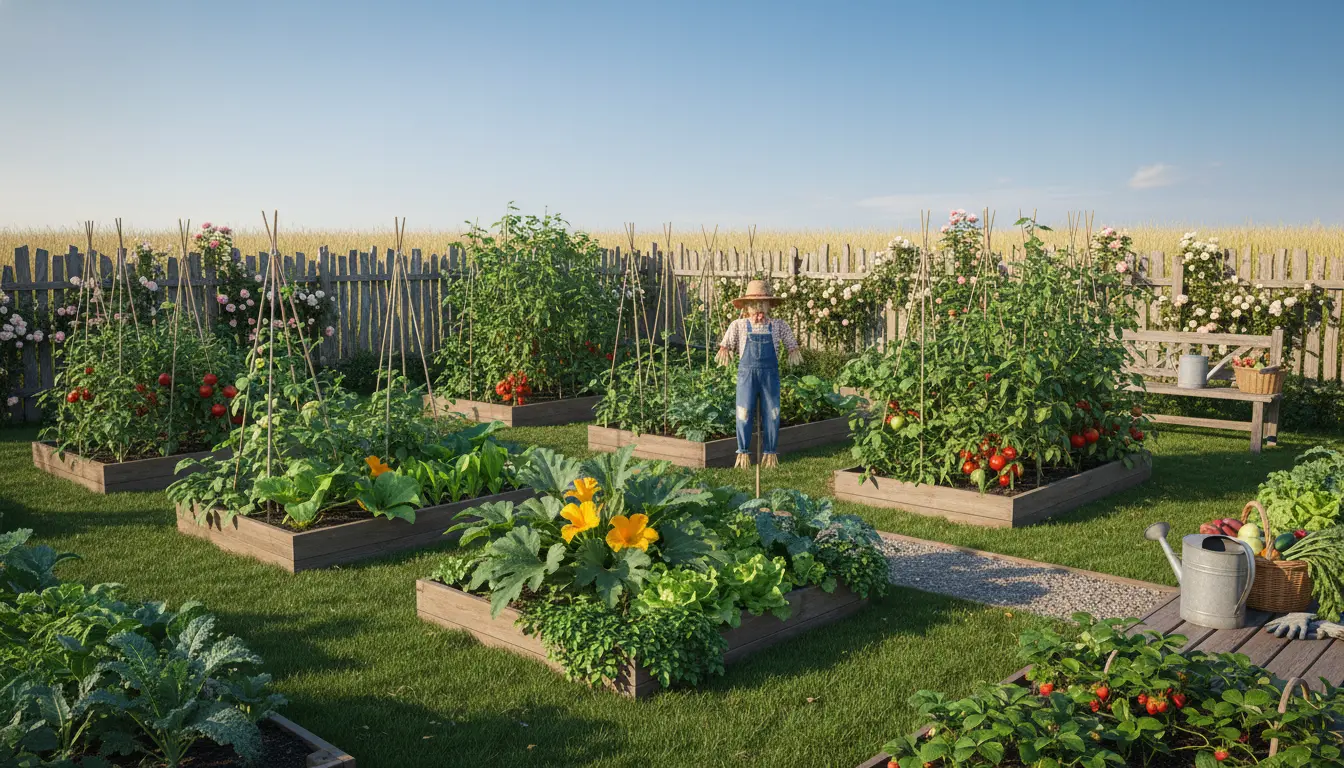
Why Start a Vegetable Garden
Starting a vegetable garden saves money, improves food quality, and gives you control over what you grow. This guide explains how to start a vegetable garden with clear steps you can follow this season.
Plan Before You Plant
Good planning reduces guesswork and increases success. Decide what to grow, where to grow it, and how much time you can commit each week.
Choose vegetables for your needs
Start with easy crops: lettuce, radishes, green beans, tomatoes, and herbs. Consider weekly harvests and crops that suit your climate.
Pick the right location
Most vegetables need 6 to 8 hours of direct sun. Choose a spot with good drainage and easy access to water. If sunlight is limited, focus on leafy greens and herbs that tolerate partial shade.
Prepare Soil to Start a Vegetable Garden
Healthy soil is the foundation of a productive garden. Test and improve soil before planting to give seedlings the best start.
Simple soil test and improvement
Take a handful of soil and check texture: sandy, loamy, or clay. Add compost to improve structure and fertility. A simple pH test kit helps for sensitive crops like potatoes and blueberries.
- Add 2–3 inches of compost on top of existing soil.
- Work compost into the top 6–8 inches where roots grow.
- Use raised beds or containers if soil is very poor or compacted.
Planting: Seed vs. Starter Plants
Decide whether to sow seeds or buy starter plants. Seeds are cheaper but take longer. Starters speed up harvest and are easier for beginners.
Timing and spacing
Follow seed packet or plant tag instructions for spacing and planting depth. Stagger plantings of lettuce and radishes every 2–3 weeks for a continuous harvest.
Watering and Mulching
Consistent water is critical. Most vegetables need about 1 inch of water per week. Water deeply and less frequently to encourage strong roots.
- Water at the base of plants to reduce leaf diseases.
- Mulch with straw, leaves, or wood chips to conserve moisture and suppress weeds.
- Install a simple drip irrigation or soaker hose for efficiency.
Basic Care and Maintenance
Regular care makes gardening manageable. Spend short sessions each week checking plants, weeding, and harvesting.
Fertilizing and feeding
Use a balanced organic fertilizer at planting and again mid-season for heavy feeders like tomatoes and squash. Avoid over-fertilizing leafy greens or you may reduce flavor.
Pest and disease management
Monitor plants early for signs of trouble. Use row covers, hand-pick pests, and encourage beneficial insects like ladybugs. Rotate crops yearly to reduce disease buildup.
Harvesting and Storage
Harvest vegetables when they are ripe for best flavor and productivity. Regular harvesting often encourages more production, especially for beans and tomatoes.
- Leafy greens: harvest outer leaves regularly.
- Tomatoes: pick when color is full and slightly soft.
- Root crops: check size regularly to avoid over-maturity.
Some vegetables, like lettuce and spinach, can be harvested multiple times using a cut-and-come-again method. This extends the harvest season with minimal effort.
Common Problems and Quick Fixes
Knowing common issues saves time and frustration. Below are quick fixes for typical beginner problems.
- Yellow leaves: check water and soil drainage; avoid over-watering.
- Slow growth: add compost or a balanced fertilizer and check light levels.
- Pest outbreaks: remove affected leaves, use traps, or apply insecticidal soap for small infestations.
Small Case Study: A Beginner’s First Season
Maria converted a small sunny strip beside her driveway into three raised beds. She chose tomatoes, lettuce, and bush beans for easy management.
She spent one weekend building beds, adding compost, and planting starter plants. By mid-summer she was harvesting salad greens twice a week and picked 20 pounds of tomatoes by late season.
Her key practices were consistent watering, mulching to reduce weeds, and weekly checks to remove pests early. This simple, low-cost approach produced steady food and taught her what works in her yard.
Quick Checklist to Start a Vegetable Garden
- Pick a sunny location with good drainage.
- Choose 3–6 easy vegetables for your first season.
- Improve soil with compost and loosen the top 6–8 inches.
- Decide between seeds and starter plants.
- Mulch, water deeply, and monitor weekly.
Final Tips on How to Start a Vegetable Garden
Start small to avoid overwhelm and expand as you gain experience. Keep a simple journal of planting dates and results to learn what performs best in your microclimate.
With basic planning, soil care, and weekly attention, anyone can start a vegetable garden and enjoy fresh, homegrown produce by season end.