
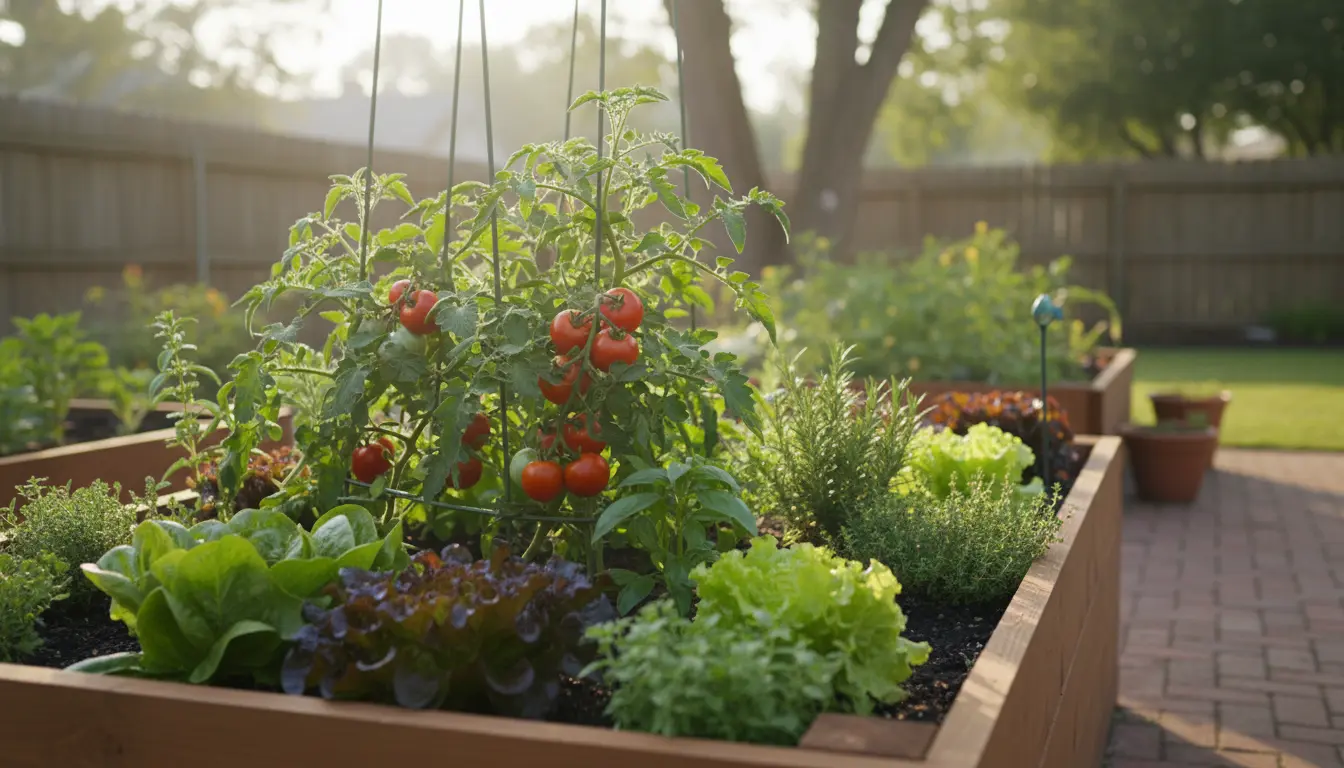
Starting a vegetable garden is a practical way to grow fresh food and learn essential skills. This guide explains how to start a vegetable garden with clear steps you can follow in any backyard or small outdoor space.
How to Start a Vegetable Garden: Plan Before You Plant
Good planning reduces wasted time and improves yields. Begin by selecting the right site and choosing vegetables that match your climate and season.
Choose the Best Location to Start a Vegetable Garden
Most vegetables need 6–8 hours of direct sunlight daily. Look for a flat area with good drainage and easy access to water.
Consider proximity to your kitchen to make harvesting convenient and reduce pest access when possible.
Decide Garden Size and Type
Start small. A 4×6 foot raised bed or several 2×4 boxes are easier to manage for beginners. Container gardening works well on balconies or patios.
Examples of common layouts:
- Single raised bed (4×6 ft) for mixed vegetables
- Three to four containers for tomatoes, peppers, and herbs
- Row planting for larger yards
How to Start a Vegetable Garden: Prepare Soil and Tools
Soil quality matters more than fancy tools. Test and improve your soil before planting to give seedlings a healthy start.
Test and Improve Soil
Get a simple soil test kit to check pH and basic nutrients. Most vegetables prefer a pH of 6.0–7.0.
To improve soil structure and fertility, add compost and work it into the top 6–8 inches. Compost adds organic matter and retains moisture.
Essential Tools for Beginners
- Hand trowel and hoe
- Watering can or hose with a gentle nozzle
- Garden fork or spade for turning soil
- Mulch material (straw, wood chips, or shredded leaves)
How to Start a Vegetable Garden: Choose Plants and Planting Times
Select vegetables that are easy to grow and suited to your climate. Fast-growing crops give early rewards and build confidence.
Easy Vegetables for Beginners
- Lettuce and other salad greens
- Radishes and carrots
- Tomatoes and peppers (in warm climates or with support)
- Beans and peas
- Herbs like basil, parsley, and chives
Planting by Season
Follow local frost dates. Plant cool-season crops (lettuce, spinach) in early spring or fall. Warm-season crops (tomatoes, peppers) go in after the last frost.
Use seed packets or plant tags to check spacing and depth instructions for each crop.
How to Start a Vegetable Garden: Watering, Weeding, and Care
Consistent care during the first few weeks makes the biggest difference. Focus on regular watering, mulching, and simple pest monitoring.
Watering Tips
Water deeply rather than frequently. Aim for 1–1.5 inches per week, more during hot dry spells. Water at the base of plants to keep leaves dry and reduce disease.
Mulch and Weed Control
Apply 2–3 inches of mulch around plants after they establish. Mulch retains moisture and suppresses weeds, reducing the need for manual weeding.
Simple Pest and Disease Management
Inspect plants weekly for holes, yellowing, or unusual spots. Use physical controls first: handpick pests, use row covers, or remove affected leaves.
Encourage beneficial insects by planting flowers and herbs nearby.
Harvesting and Succession Planting
Harvest vegetables when they reach recommended size for best flavor and to encourage continued production. Many crops produce multiple harvests if picked promptly.
Practice succession planting: sow new seeds every 2–3 weeks for continuous harvests, especially for greens and radishes.
Planting marigolds near vegetable beds can help deter some pests and attract beneficial insects, reducing the need for insecticides.
Small Real-World Case Study
Case Study: A 4×6 raised bed in a suburban backyard produced reliable harvests for a first-time gardener. The bed received 7 hours of sun and was filled with a 50/50 mix of local topsoil and compost.
Over one season the gardener planted tomatoes, bush beans, lettuce in succession, and basil as a companion. With weekly watering and mulch, the bed yielded salads from May to October and 20+ pounds of tomatoes by late summer.
Quick Checklist to Start a Vegetable Garden
- Pick a sunny site and decide on garden size
- Test and amend soil with compost
- Choose easy, season-appropriate vegetables
- Gather basic tools and mulch
- Water deeply, mulch, and check for pests weekly
- Practice succession planting for steady harvests
Starting a vegetable garden is a step-by-step process that rewards planning and consistent care. Begin with a small, manageable plot, learn from one season, and expand as you gain confidence. With the right site, soil, and plant choices, you can enjoy fresh vegetables and develop a sustainable routine.