
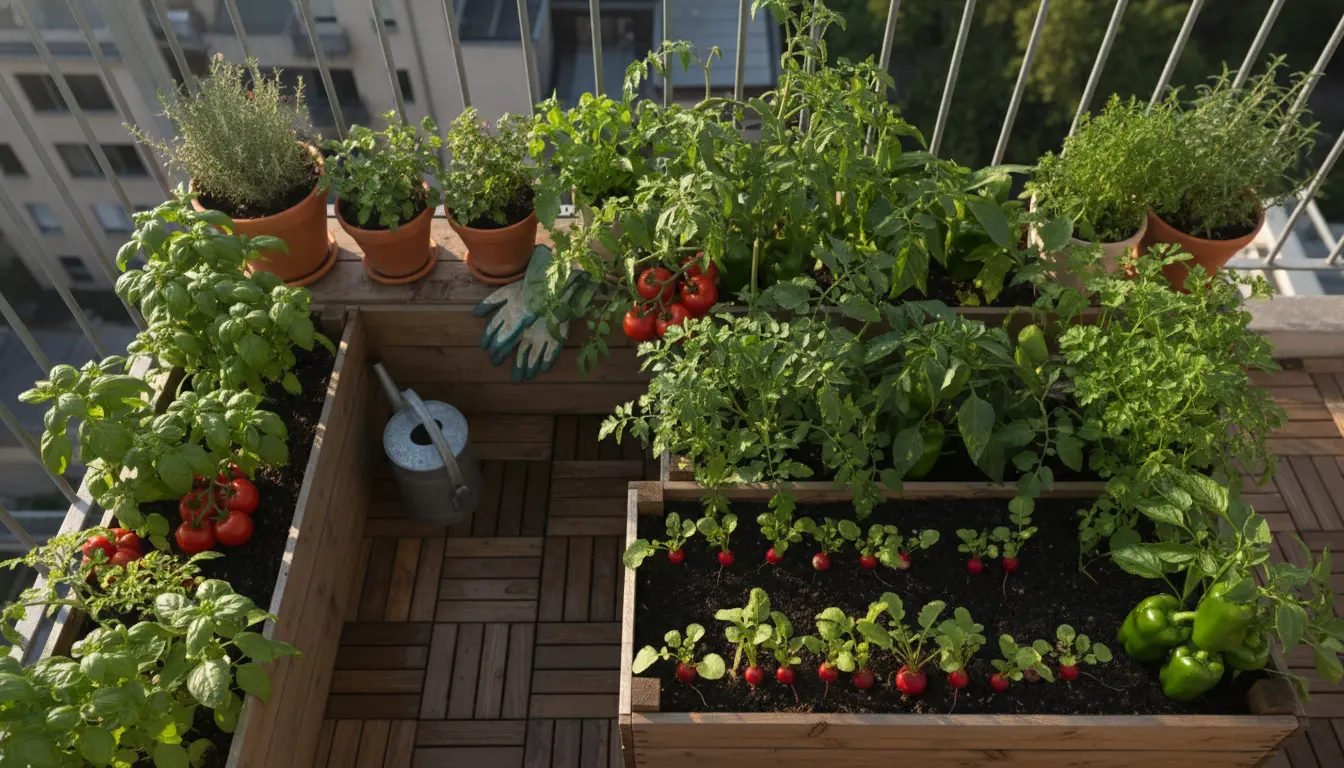
Starting a home vegetable garden is a practical way to grow fresh food, save money, and learn a useful skill. This guide gives clear, actionable steps so you can plan, plant, and maintain a productive garden at home.
Choose the Best Spot for a Home Vegetable Garden
Sunlight is the most important factor. Most vegetables need 6–8 hours of direct sun daily. Observe potential spots for a few days before choosing the final location.
Consider access to water, easy pathways for maintenance, and protection from strong wind. If ground space is limited, containers or raised beds work well on balconies or patios.
Site Planning Tips for a Home Vegetable Garden
- Pick a level area with good drainage.
- Plan rows or beds oriented north-south to maximize even sun exposure.
- Keep the garden close to the kitchen for easy harvesting.
Prepare Soil and Containers
Healthy soil is the backbone of a successful home vegetable garden. Test the soil pH and nutrient levels if possible. Most vegetables prefer slightly acidic to neutral soil (pH 6.0–7.0).
For raised beds and containers, use a mix of quality topsoil, compost, and a light soil conditioner to improve drainage and fertility.
Soil Preparation Steps
- Clear weeds and debris from the planting area.
- Work in 2–4 inches of compost to feed plants and improve structure.
- Level the soil and add mulch to reduce evaporation and weeds.
Choose Vegetables for Your Home Vegetable Garden
Select crops based on climate, season, and available space. Beginners should start with easy, productive plants such as tomatoes, lettuce, radishes, beans, and herbs.
Plan a mix of quick-growing crops (lettuce, radish) and longer-season crops (tomato, pepper) so you get continuous harvests.
Vegetable Selection Examples
- Small-space favorites: cherry tomatoes, bush beans, salad greens.
- Container-friendly herbs: basil, parsley, chives.
- Cold-season crops: spinach, kale, carrots for early spring or fall.
Planting and Timing
Follow seed packet or plant label instructions for depth and spacing. Planting too deep or too crowded reduces yields and increases disease risk.
Use a simple planting calendar based on your last frost date. Start seeds indoors when recommended, and transplant seedlings after hardening off for a week.
Watering, Feeding, and Maintenance
Consistent watering is critical. Most vegetables need about 1 inch of water per week, delivered deeply and less frequently. Avoid overhead watering late in the day to reduce disease.
Feed plants with compost or a balanced organic fertilizer according to crop needs. Keep an eye on growth and adjust feeding when plants show signs of deficiency.
Routine Maintenance Tasks
- Weed weekly to reduce competition for nutrients.
- Stake or trellis vining crops to save space and improve air flow.
- Prune only when necessary to remove damaged or diseased foliage.
Pest and Disease Management in a Home Vegetable Garden
Prevent problems by maintaining healthy soil and proper spacing. Inspect plants regularly to catch pests early. Use simple, low-toxicity controls first.
Companion planting, physical barriers, and hand-picking pests are effective in small home vegetable gardens. Introduce beneficial insects by planting flowers like marigolds and calendula nearby.
Quick Pest Control Options
- Row covers to protect young plants from insects and birds.
- Neem oil or insecticidal soap for soft-bodied insects.
- Crop rotation to reduce soil-borne disease buildup.
Harvesting and Seasonal Care
Harvest vegetables at peak ripeness for the best flavor and nutritional value. Frequent harvesting of crops like beans and lettuce encourages continued production.
At season end, clear spent plants, add compost, and cover beds with mulch or a winter cover crop to protect soil and retain nutrients.
Small Real-World Case Study: A Balcony Home Vegetable Garden
Case: Anna, an apartment resident, used five 12-inch containers on a sunny balcony to grow cherry tomatoes, basil, and lettuce. She chose compact varieties and installed a simple drip line for watering.
Result: In one season she harvested enough herbs for weekly meals and multiple tomato harvests. She reduced grocery spending on fresh produce and gained confidence to expand her garden the next year.
Quick Starter Checklist for a New Home Vegetable Garden
- Choose a sunny site or containers with good drainage.
- Prepare soil with compost and test pH if possible.
- Select easy crops suited to your season and space.
- Plant according to spacing and depth instructions.
- Water deeply, mulch, and inspect weekly for pests.
Starting a home vegetable garden is a manageable project when you plan carefully and use simple routines. Begin small, learn from each season, and expand as you gain experience. With time, your garden will become a dependable source of fresh food and a rewarding hobby.