
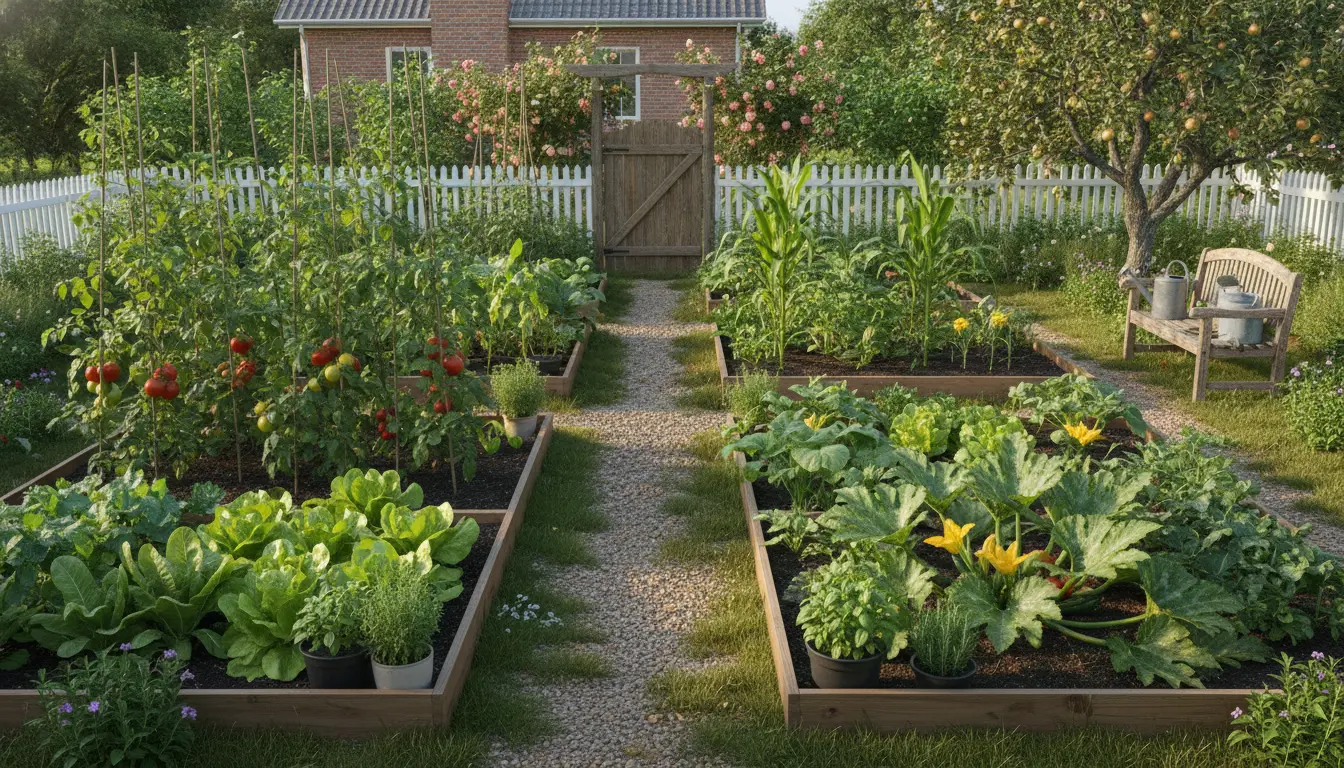
Getting Started with How to Start a Vegetable Garden
Starting a vegetable garden is a practical way to grow fresh food and learn hands-on skills. This guide covers the essential steps so you can begin with confidence.
Plan Your Vegetable Garden Layout
Begin by choosing the right size and layout for your space. Small gardens can be productive with raised beds or containers, while larger yards allow for in-ground rows.
Choosing a Garden Type
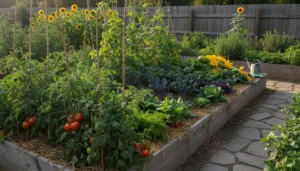
Common options include raised beds, containers, and traditional rows. Each has pros and cons:
- Raised beds: Better drainage, easier weeding, and defined soil depth.
- Containers: Flexible placement and good for patios or balconies.
- In-ground rows: Low cost and large-scale planting potential.
Pick the Best Site for Your Vegetable Garden
Site selection determines long-term success. Most vegetables need at least 6 hours of direct sun daily.
Sun, Water, and Access
Locate your garden where it’s sunny and near a water source. Also consider access to tools and ease of routine care.
Prepare Soil Before Planting
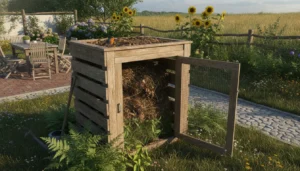
Healthy soil is the foundation of a productive vegetable garden. Test and amend soil before planting to improve structure and fertility.
Soil Testing and Amendments
Get a simple pH and nutrient test from a local extension or use a home kit. Based on results, add compost to boost organic matter and adjust pH if needed.
- Mature compost: Adds nutrients and improves texture.
- Well-rotted manure: Good for heavy feeders like corn and tomatoes.
- Adjust pH: Lime raises pH; sulfur lowers pH.
Choose Vegetables and Planting Times
Select crops suited to your climate and growing season. Start with easy varieties to build confidence and success.
Easy Vegetables for Beginners
- Leafy greens: Lettuce, spinach, and chard grow quickly.
- Root vegetables: Radishes and carrots are low maintenance.
- Warm-season crops: Tomatoes and peppers thrive with proper care.
Planting: Seeds vs. Transplants
Decide whether to sow seeds directly or use transplants from a nursery. Many vegetables can be started from seed, while tomatoes and peppers benefit from transplants.
Timing and Spacing
Follow seed packet or plant tag instructions for planting depth and spacing. Overcrowding reduces airflow and can increase disease.
Watering and Mulching for Consistent Growth
Proper watering encourages strong roots and steady yields. Aim for deep, infrequent watering instead of shallow daily sprays.
Mulch Benefits
Apply 2 to 3 inches of organic mulch to conserve moisture, suppress weeds, and regulate soil temperature. Straw, shredded leaves, or bark chips work well.
Care: Fertilizing, Pruning, and Pest Control
Regular maintenance keeps plants healthy and productive. Use targeted practices to avoid overworking the garden.
Simple Care Checklist
- Fertilize sparingly with balanced organic fertilizer or compost tea.
- Prune only when needed to improve airflow or remove dead growth.
- Use row covers or hand-pick pests as a low-toxicity approach.
Planting marigolds near tomatoes can reduce some soil nematodes and attract beneficial insects that help control pests naturally.
Harvesting and Storing Your Vegetables
Harvest regularly to encourage continued production. Pick vegetables at peak ripeness for best flavor and nutrition.
Storage Tips
- Leafy greens: Refrigerate in a sealed bag with a paper towel to absorb excess moisture.
- Tomatoes: Store at room temperature away from direct sunlight.
- Root crops: Keep in a cool, dark place or refrigerated depending on type.
Small Real World Example
Case study: A homeowner converted a 4×8 ft unused patch into a raised bed. They filled it with a 50/50 mix of garden soil and compost, planted tomatoes, lettuce, and bush beans, and used drip irrigation and 2 inches of straw mulch.
In the first season they harvested tomatoes for six weeks straight and filled a small freezer with blanched beans. Proper planning and simple care produced reliable results with limited space.
Common Mistakes and How to Avoid Them
New gardeners often overwater or plant too closely. Avoid these mistakes by following spacing guidelines, testing soil, and setting a sensible watering schedule.
Quick Troubleshooting
- Yellow leaves: Check for nutrient deficiency or overwatering.
- Poor germination: Ensure correct planting depth and soil temperature.
- Slow growth: Add compost and confirm adequate sunlight.
Final Tips for How to Start a Vegetable Garden
Start small, keep a planting calendar, and learn by doing. Track what works and adjust each season for steady improvement.
With a modest investment of time and a few simple tools, you can enjoy fresh vegetables and the satisfaction of growing your own food.