
Home Composting for Beginners: Getting Started
Home composting is a simple way to recycle kitchen and garden waste into nutrient-rich soil. This guide explains practical steps you can take to start composting at home with minimal equipment.
Why Home Composting Matters
Composting reduces landfill waste and returns organic matter to the soil. It improves garden health, reduces the need for chemical fertilizers, and lowers household waste costs.
Basic Components of Home Composting for Beginners
Compost needs three basic things: organic material, air, and moisture. For beginners, focus on balancing “greens” (nitrogen-rich) and “browns” (carbon-rich) in your pile or bin.
What Are Greens and Browns?
- Greens: vegetable scraps, fruit peels, coffee grounds, fresh grass clippings.
- Browns: dry leaves, shredded paper, cardboard, straw, wood chips.
A common goal is a roughly 2:1 or 3:1 ratio of browns to greens by volume to avoid odors and speed decomposition.
Choosing a Home Composting System
Beginners can choose from several easy setups depending on space and needs. Consider size, location, and how often you’ll add material.
Options for Home Composting
- Open pile: simple, low-cost, needs space and regular turning.
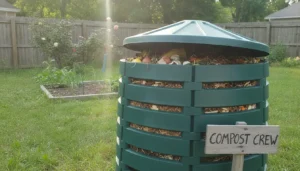
- Bin or tumbler: contained, neater, faster if tumbled regularly.
- Vermicomposting: uses worms for indoor or balcony composting of kitchen scraps.
Step-by-Step: How to Compost at Home
- Pick a bin or area: choose a well-drained spot with partial shade.
- Start your base: add coarse browns (twigs, straw) to help airflow.
- Add materials in layers: alternate greens and browns in thin layers.
- Moisture check: compost should be as damp as a wrung-out sponge.
- Turn or mix: aerate every 1–2 weeks to speed breakdown and prevent smell.
- Harvest: finished compost is dark, crumbly, and earthy-smelling—usually ready in 2–6 months.
Troubleshooting Common Problems
Beginners often face a few predictable issues. Use simple fixes to keep compost healthy.
Bad Odor
Usually caused by too much green material or poor airflow. Add more browns and turn the pile to introduce oxygen.
Slow Decomposition
Likely too dry, too cold, or lacking nitrogen. Add water, move the bin to a warmer spot, and include more greens or a small amount of nitrogen-rich material.
Pests
Avoid meat, dairy, and oily foods that attract animals. Use a closed bin or bury kitchen scraps under a layer of browns.
Practical Tips for Home Composting for Beginners
- Chop or shred materials to speed decomposition.
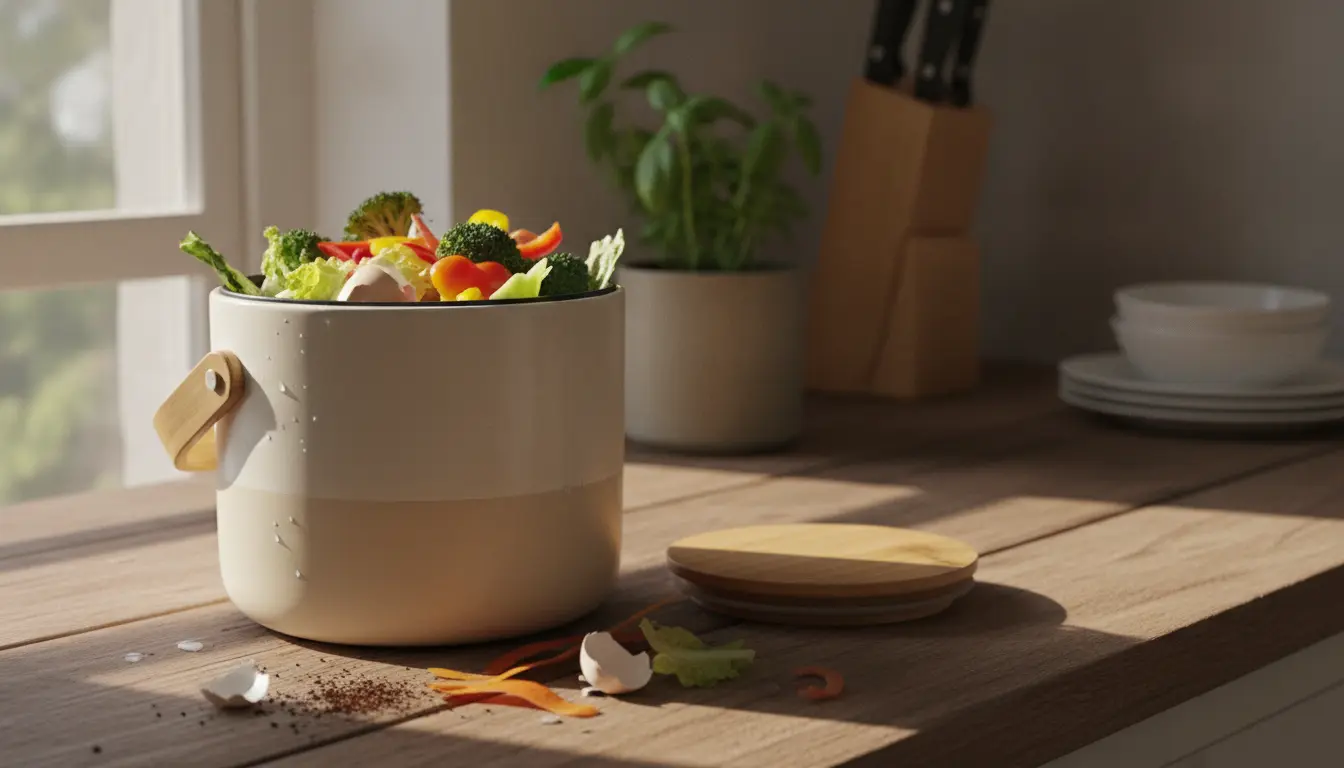
- Keep a small counter caddy for kitchen scraps to reduce trips outside.
- Use finished compost as mulch or soil amendment—mix into beds or top-dress containers.
- Record what you add and when to track improvements in compost quality.
Composting one ton of food waste can reduce greenhouse gas emissions by about one ton of carbon dioxide equivalent. Home composting helps cut those emissions at source.
Small Case Study: A Kitchen Compost That Cut Trash by 60%
Maria, a renter in Portland, started a 23-liter countertop bin and a small tumbler in her backyard. She separated food scraps, used shredded newspaper as a brown, and tumbled the bin weekly.
Within six months Maria reduced her weekly trash by about 60 percent and had enough compost to improve two container vegetable beds. Her success came from consistent layering, regular turning, and avoiding problem foods.
Tools and Materials Checklist
- Compost bin or tumbler (or DIY pallet bin)
- Kitchen caddy with a lid
- Garden fork or compost aerator
- Shredder or scissors for paper and cardboard
- Thermometer (optional) to monitor internal temperature
Final Steps: Using Finished Compost
Once compost looks and smells like rich soil, use it to boost plant growth. Mix it into potting mixes, work it into garden beds, or use as mulch around shrubs and vegetables.
Application Rates
- Vegetable gardens: mix 1–2 inches of finished compost into the top 6–8 inches of soil each year.
- Potted plants: replace up to one-third of potting mix with compost.
- Lawns: top-dress with a thin layer (1/4 inch) and water to incorporate nutrients.
Home composting for beginners is low-cost and scalable. Start small, keep materials balanced, and adjust based on what your system needs. With modest effort, you can turn everyday waste into a valuable resource for your garden.