
Why Home Composting Matters
Home composting reduces household waste and returns nutrients to the soil. It is a practical step for anyone who wants to garden more sustainably.
This guide gives straightforward steps and tips to start composting without special equipment.
Basics of Home Composting
Compost is the breakdown of organic material into a stable, soil like product. The process needs carbon, nitrogen, moisture, and air to work well.
Understanding these four elements helps you set up a reliable compost system in your yard or on a balcony.
Key Ingredients for Composting
- Brown materials (carbon): dry leaves, shredded paper, cardboard.
- Green materials (nitrogen): kitchen vegetable scraps, coffee grounds, fresh grass clippings.
- Water: keep the pile moist but not soggy.
- Air: occasional turning adds oxygen to speed decomposition.
Choosing a Home Composting Method
Pick a method that fits space, time, and comfort level. Common options work for most homes and apartments.
Popular Compost Methods
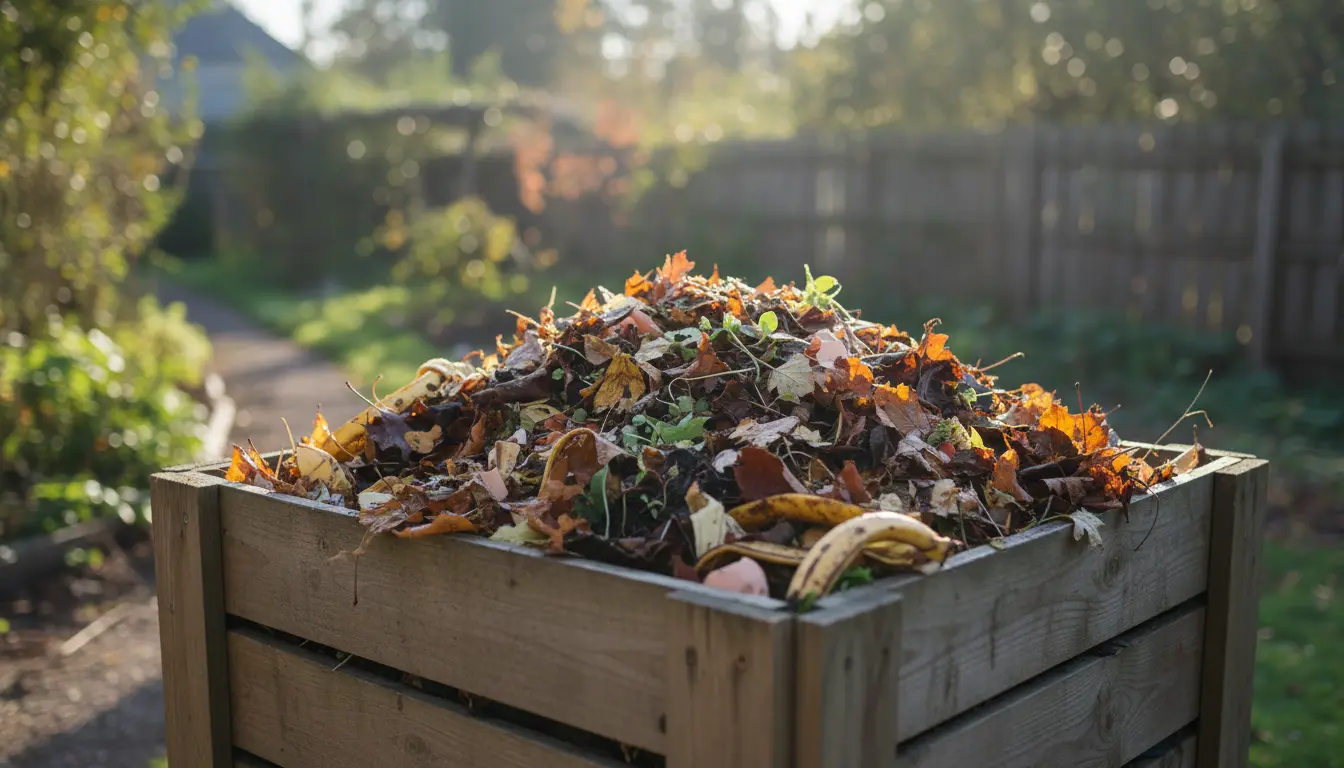
- Bin composting: A simple plastic or wooden bin keeps things tidy and deters pests.
- Tumbler composting: A rotating drum speeds mixing and makes turning easy.
- Bokashi fermenting: Good for apartments, it ferments kitchen waste in a sealed container.
- Trench or pit composting: Bury scraps directly in the garden for low maintenance.
Step by Step Home Composting Process
Follow these steps to build and maintain an effective compost pile. Each step is short and practical.
- Choose a location with good drainage and some shade.
- Start with a 4 to 6 inch layer of coarse material like twigs to help airflow.
- Add alternating layers of brown and green materials, aiming for roughly a 3 to 1 ratio of browns to greens by volume.
- Keep the pile moist like a wrung out sponge; add water if dry and cover if too wet.
- Turn the pile every 1 to 2 weeks to add oxygen and speed decomposition.
- Use finished compost when it is dark, crumbly, and smells earthy, usually in a few months to a year.
Troubleshooting Common Compost Problems
Small issues are normal and usually easy to fix. Check these common problems before giving up on the pile.
Bad Smell
A strong rotten odor means too much wet nitrogen material or not enough air. Add dry brown materials and turn the pile to reintroduce oxygen.
Slow Decomposition
Slow breakdown can come from lack of nitrogen, moisture, or small surface area. Chop materials finer, add greens, and keep the pile moist.
Pests
Rodents and flies are attracted by meat, dairy, and oily scraps. Avoid those items or use a sealed tumbler or Bokashi system in urban areas.
Composting can divert up to 30 percent of a household waste stream from landfill when done consistently.
How to Use Finished Compost
Finished compost enriches potting mixes, improves soil structure, and feeds plants slowly. Apply it as a top dressing or mix it into garden beds.
- Vegetable beds: work 1 to 2 inches into the topsoil before planting.
- Flower pots: replace up to 25 percent of the potting mix with compost.
- Lawn care: spread a thin layer and rake lightly to add nutrients and improve water retention.
Small Real World Case Study
Case study: A two person household in a townhouse started a simple bin compost setup. They collected kitchen veggie scraps and paper towels, and added yard leaves in autumn.
After six months of weekly turning and monitoring moisture, they produced about 40 liters of compost. They used it to top dress potted herbs and to enrich a small raised bed, resulting in healthier plants and lower grocery herb purchases.
Quick Tips for Beginners
- Keep a small kitchen caddy with a lid for daily scraps to make collection easy.
- Shred or chop larger items to speed breakdown.
- Rotate materials and monitor moisture to prevent problems.
- Be patient; composting is a process that improves with practice.
Final Thoughts on Home Composting
Home composting is an achievable, low cost way to reduce waste and improve soil health. Start small, learn from the pile, and adapt the system to your lifestyle.
With a little attention and regular turning, most beginners will see good results within a few months.