
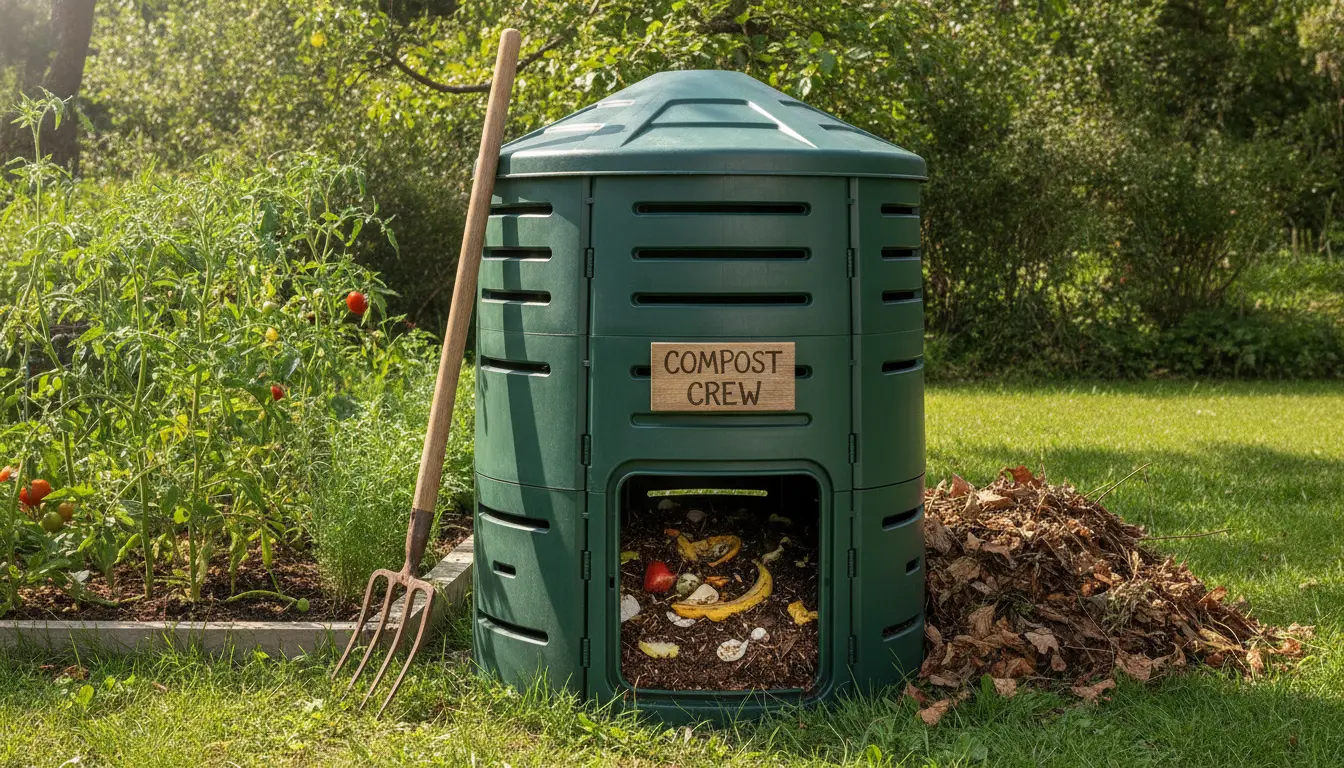
What is home composting and why start one
Home composting is the controlled breakdown of organic kitchen and garden waste into a soil-like material. It reduces landfill waste and produces nutrient-rich compost for gardens and potted plants.
Composting is simple once you understand the balance of materials, moisture, and airflow. This guide gives practical, step-by-step instructions to start and manage a home composting system.
Benefits of home composting
Compost improves soil structure, water retention, and plant health. It also reduces the need for chemical fertilizers and lowers household waste volume.
Other benefits include lower greenhouse gas emissions from trash and cost savings on soil amendments. Home composting helps close the nutrient loop in your household.
Getting started with home composting
Choose a composting method that fits your space and lifestyle. Options include a countertop compost pail, a backyard bin, a tumbler, or worm composting (vermicompost).
Home composting bin types

Backyard bins are durable and hold large volumes, ideal for gardeners. Tumblers speed up mixing and are pest-resistant, while worm bins suit small apartments and produce fast, nutrient-rich castings.
Home composting: what to put in
Compost needs a mix of carbon-rich “brown” materials and nitrogen-rich “green” materials. Aim for roughly a 3:1 ratio of browns to greens by volume.
- Greens: fruit and vegetable scraps, coffee grounds, fresh lawn clippings, plant trimmings.
- Browns: dried leaves, shredded paper, cardboard, straw, wood chips.
Avoid meat, dairy, oils, diseased plants, and pet waste in typical home systems to prevent odors and pests.
Setting up your home composting system
Place your bin on soil or a well-drained surface to allow worms and microbes to migrate in. If using a container, ensure some ventilation and a way to drain excess moisture.
Start with a layer of coarse browns to aid airflow, then add alternating layers of greens and browns. Chop or shred large items to speed decomposition.
Home composting maintenance: heat, moisture, and turning
Monitor temperature: active piles heat to 120–160°F (50–70°C) if large and properly balanced. Small home piles may stay cooler but still decompose well.
Keep the pile moist like a wrung-out sponge. Turn or mix the pile every 1–2 weeks to add oxygen and speed decomposition. Tumblers allow easier turning for small batches.
Troubleshooting common home composting problems
Bad odor usually means too many greens or excess moisture. Fix it by adding more browns, mixing the pile, and improving drainage.
Slow decomposition can come from large pieces, low nitrogen, or cold conditions. Chop materials smaller, add green waste or a nitrogen source, and insulate or wait for warmer weather.
How to know when compost is ready
Finished compost is dark, crumbly, and earthy-smelling with no visible food scraps. It usually takes 2–12 months depending on method and care.
Sift the compost if you need fine material; larger bits can go back into a new pile to finish breaking down.
Composting a ton of food waste can prevent about 0.5 to 1 ton of CO2-equivalent emissions compared with sending that waste to landfill. Small household changes scale up across communities.
Small real-world example: Case study of an apartment compost
Anna lives in a two-bedroom apartment and started vermicomposting with a single 20-liter worm bin. She collected coffee grounds, fruit peels, and small amounts of shredded paper.
Within three months she produced about 5 liters of worm castings. She used the compost on her balcony herbs and reduced kitchen waste sent to the trash by over 60%.
Key actions that worked: remained consistent with feedings, avoided citrus overload, and kept moisture balanced. The small scale made it low-effort and effective.
Quick tips and best practices for home composting
- Chop or shred large materials to speed breakdown.
- Keep a balanced brown-to-green ratio (about 3:1 by volume).
- Maintain moisture like a wrung-out sponge; avoid waterlogging.
- Turn the pile regularly to add oxygen and reduce odors.
- Use finished compost as a soil amendment or potting mix additive.
When to scale up or try a different method
If you produce a lot of yard waste, move to a larger outdoor bin or multiple bins in rotation. If space is limited, vermicomposting or a compact tumbling bin works well.
Community composting programs and municipal drop-off sites are an option for people who prefer not to manage a system at home.
Start your home composting plan today
Decide on a method based on your space, time, and waste volume. Assemble basic supplies: a bin, a pitchfork or turning tool, and a plan for balancing materials.
Begin with small, manageable steps and adjust as you learn. Composting is a low-cost, high-impact way to reduce waste and improve soil health at home.