
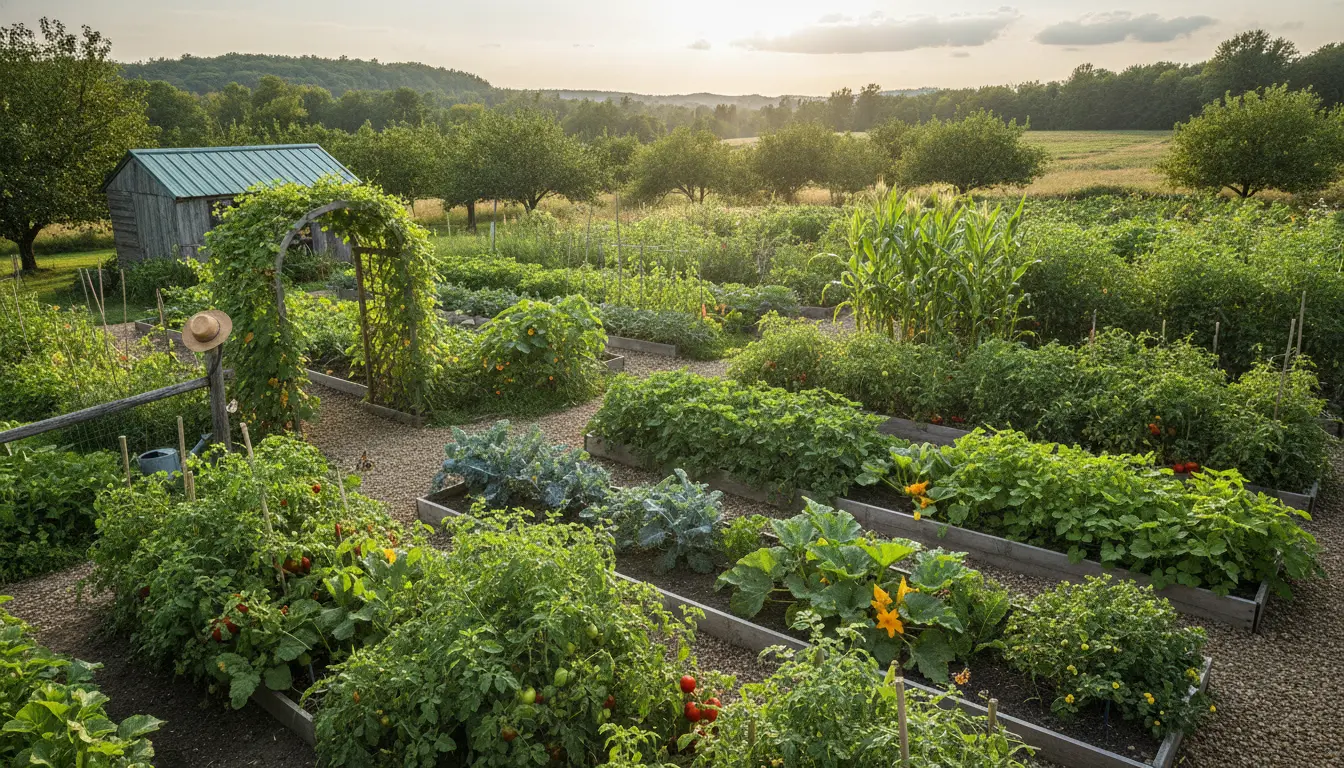
Starting a vegetable garden is a straightforward project that rewards planning and patience. This guide explains practical steps to plan, prepare, and maintain a productive home garden.
How to Start a Vegetable Garden: Plan Your Garden Space
Begin by choosing a suitable location. Most vegetables need at least 6 hours of direct sun daily, good drainage, and easy access to water.
Consider these factors when planning space:
- Sun exposure: Full sun is best for tomatoes, peppers, and squash.
- Size: A 4 x 8 foot raised bed suits beginners and is easy to manage.
- Access: Place the garden near a water source to simplify watering tasks.
Start a Vegetable Garden: Decide Bed Type and Layout
Choose between in-ground rows, raised beds, or containers. Each option affects soil control, drainage, and accessibility.
Common layouts:
- Raised beds: Good soil control and less bending.
- In-ground plots: Cost-effective for larger areas.
- Containers: Ideal for patios and balconies.
How to Start a Vegetable Garden: Prepare the Soil
Soil quality determines long-term success. Test the soil pH and nutrient levels early to guide amendments.
Basic soil prep steps:
- Remove weeds, roots, and debris.
- Amend with compost to improve fertility and structure.
- Adjust pH if necessary; most vegetables prefer pH 6.0 to 7.0.
Soil Mix for Raised Beds
A simple mix for raised beds is 60% topsoil, 30% compost, and 10% coarse sand or perlite for drainage. This combines nutrients with good water retention.
How to Start a Vegetable Garden: Choose Plants and a Planting Plan
Select vegetables that match your climate, season, and skill level. Beginners should start with reliable, low-maintenance crops.
Best starter plants include:
- Leafy greens: Lettuce, spinach, and chard grow quickly and tolerate some shade.
- Root crops: Radishes and carrots are simple if the soil is loose.
- Warm-season crops: Tomatoes and peppers need full sun and staking.
Succession Planting to Maximize Yield
Use succession planting to harvest continuously. Sow fast crops early, then follow with longer-season plants in the same space.
Example schedule:
- Early spring: Peas and radishes.
- Late spring: Transplant tomatoes and peppers.
- Late summer: Plant a fall crop of kale or spinach.
How to Start a Vegetable Garden: Planting, Watering, and Maintenance
Plant at the recommended depth and spacing listed on seed packets or plant tags. Crowding increases disease risk and reduces yield.
Watering tips:
- Water deeply and less frequently to encourage strong roots.
- Early morning watering reduces evaporation and fungal issues.
- Mulch around plants to retain moisture and suppress weeds.
Pest and Disease Management
Focus on prevention: good spacing, sanitation, and crop rotation reduce pests and disease. Use row covers for insect control and handpick obvious pests.
Organic options include neem oil, insecticidal soap, and beneficial insects like ladybugs.
Small Real-World Example
Case study: A homeowner started a 4 x 8 foot raised bed in spring. They filled it with a 60/30/10 soil mix and planted tomatoes, basil, and lettuce.
Results after one season:
- Tomatoes produced steadily with staking and weekly compost tea.
- Lettuce was harvested multiple times using cut-and-come-again method.
- Minimal pest issues after introducing marigolds and using row cover early in the season.
This small plot produced enough fresh vegetables for a couple and occasional guests while requiring under an hour of weekly maintenance.
Planting the right companion plants can reduce pests and improve yields. For example, basil planted near tomatoes can repel tomato hornworms and enhance tomato flavor.
How to Start a Vegetable Garden: Simple Checklist to Begin
- Choose a sunny spot and decide bed type.
- Test and amend soil early.
- Pick 3–5 beginner-friendly crops to start.
- Plant according to season and spacing guidelines.
- Water properly, mulch, and monitor pests.
Final Tips for Success
Keep a garden journal to track planting dates, varieties, and harvests. Small adjustments each season will improve productivity.
Start small, focus on easy wins, and expand as you gain confidence. Regular observation and simple maintenance produce the best results.
With modest planning and care, you can start a vegetable garden that provides fresh produce and a satisfying outdoor hobby.