
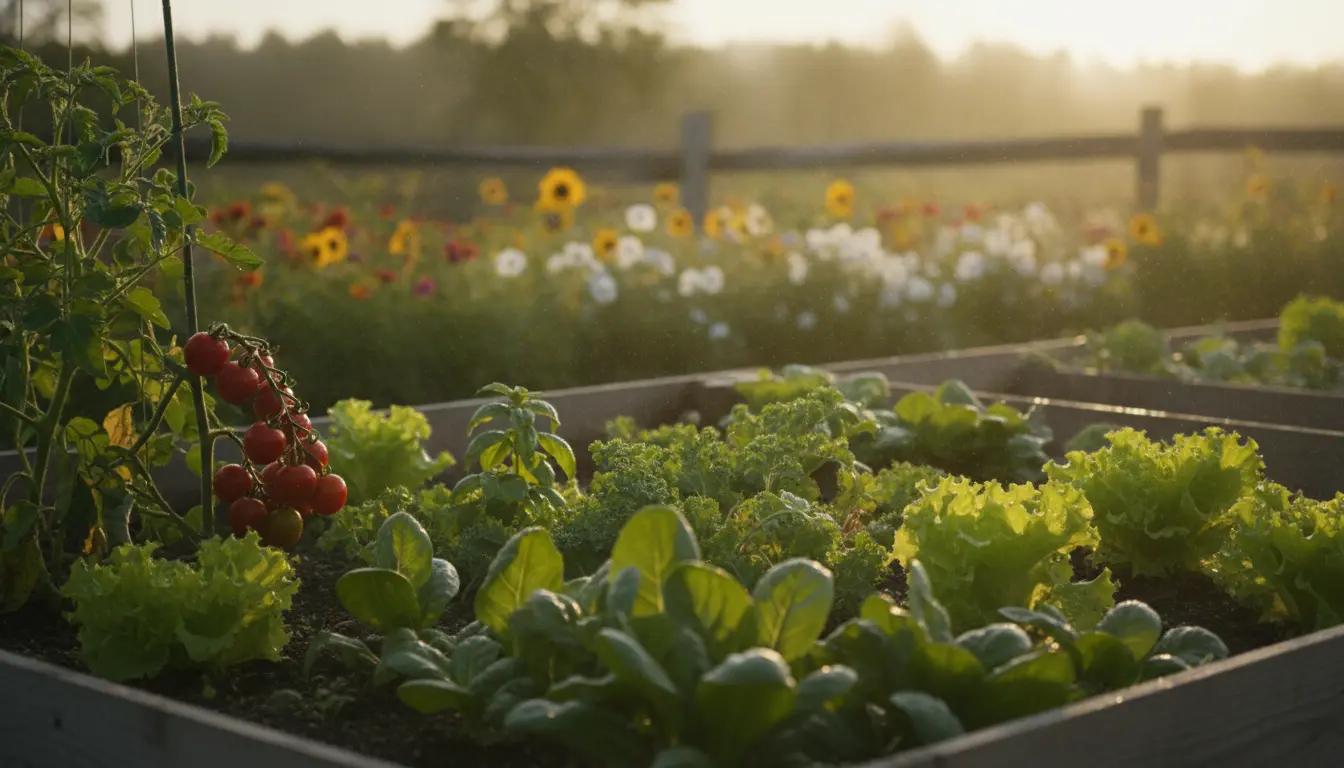
How to Start a Vegetable Garden: Planning
Starting a vegetable garden is easier than many people expect. With basic planning you can grow fresh produce in a small space and save money on groceries.
Begin by choosing a site with good sun exposure and access to water. Most vegetables need at least six hours of direct sunlight each day.
Choose a System to Start a Vegetable Garden
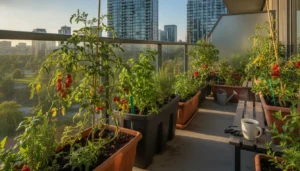
Decide whether you will use in-ground rows, raised beds, or containers. Each system suits different spaces and budgets.
- Raised beds: Better drainage and easier soil control.
- In-ground: Cost-effective for large yards.
- Containers: Ideal for balconies and patios.
How to Start a Vegetable Garden: Soil and Light
Soil quality determines long-term success. Test your soil or assume you will need to improve it for vegetables.
Vegetables prefer loose, well-draining soil rich in organic matter. Aim for a soil pH around 6.0 to 7.0 for most crops.
Improve Soil to Start a Vegetable Garden
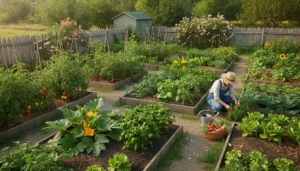
Add compost or aged manure to increase fertility and structure. Work 2–4 inches of compost into the top 6–8 inches of soil before planting.
For containers, choose a good-quality potting mix labeled for vegetables and mix in slow-release organic fertilizer.
How to Start a Vegetable Garden: Choosing Plants
Select vegetables that match your climate and season. Beginners should start with easy, forgiving crops.
- Fast results: Lettuce, radishes, baby spinach, and green onions.
- Heat lovers: Tomatoes, peppers, cucumbers, and basil.
- Cool-season crops: Peas, broccoli, and kale.
Check your local planting calendar to know when to sow seeds or transplant seedlings.
Seed vs Seedlings When You Start a Vegetable Garden
Seeds are cheaper and offer more variety. Seedlings (starts) give a quicker harvest and are easier for busy beginners.
Use seeds for lettuces, beans, and radishes. Buy healthy seedlings for tomatoes and peppers if you want a head start.
How to Start a Vegetable Garden: Planting and Spacing
Follow spacing recommendations on seed packets or plant tags. Crowding reduces airflow and increases disease risk.
Use succession planting to extend harvests: plant small amounts of salad greens every 2–3 weeks.
Companion Planting Tips to Start a Vegetable Garden
Some plants grow well together and can improve yield or deter pests. For example, basil near tomatoes can improve flavor and repel certain insects.
- Tomatoes + basil
- Carrots + onions
- Cucumbers + beans (beans add nitrogen)
How to Start a Vegetable Garden: Watering and Maintenance
Consistent watering is crucial. Most vegetables need about 1 inch of water per week, supplied deeply rather than frequently shallowly.
Mulch around plants to retain moisture and suppress weeds. Organic mulches also add nutrients as they break down.
Pest and Disease Basics When You Start a Vegetable Garden
Inspect plants regularly for pests and disease signs. Remove damaged leaves and use physical controls first, such as handpicking or barriers.
Use organic sprays like insecticidal soap for soft-bodied insects, and rotate crops yearly to reduce soil-borne diseases.
Harvesting and Storage
Harvest vegetables at peak ripeness for best flavor. Many crops, like beans and zucchini, produce more when picked regularly.
Store harvests properly: root vegetables in cool, humid conditions; tomatoes at room temperature for best taste.
Common Mistakes to Avoid When You Start a Vegetable Garden
- Planting too much too soon — start small to learn management skills.
- Ignoring soil health — poor soil gives poor results even with good care.
- Overwatering or underwatering — both stress plants and reduce yields.
Simple Case Study: A Small Raised Bed Success
Maria, a beginner with a 4×8 foot raised bed, followed a seasonal plan and chose easy crops: cherry tomatoes, lettuce, basil, and bush beans.
She amended the soil with compost, mulched after planting, and watered deeply twice a week. By mid-summer she harvested weekly salads and fresh tomatoes, reducing her grocery lettuce purchases by half.
Her key steps: start small, improve soil, and pick crops suited to her climate.
Final Checklist to Start a Vegetable Garden
- Choose a sunny site and a planting system (bed, in-ground, or containers).
- Test and improve soil with compost.
- Select easy vegetables and follow spacing guides.
- Water consistently and mulch to retain moisture.
- Inspect regularly and use simple pest controls.
Starting a vegetable garden is a step-by-step process anyone can learn. With modest effort and good planning you can enjoy fresh, homegrown produce right outside your door.