
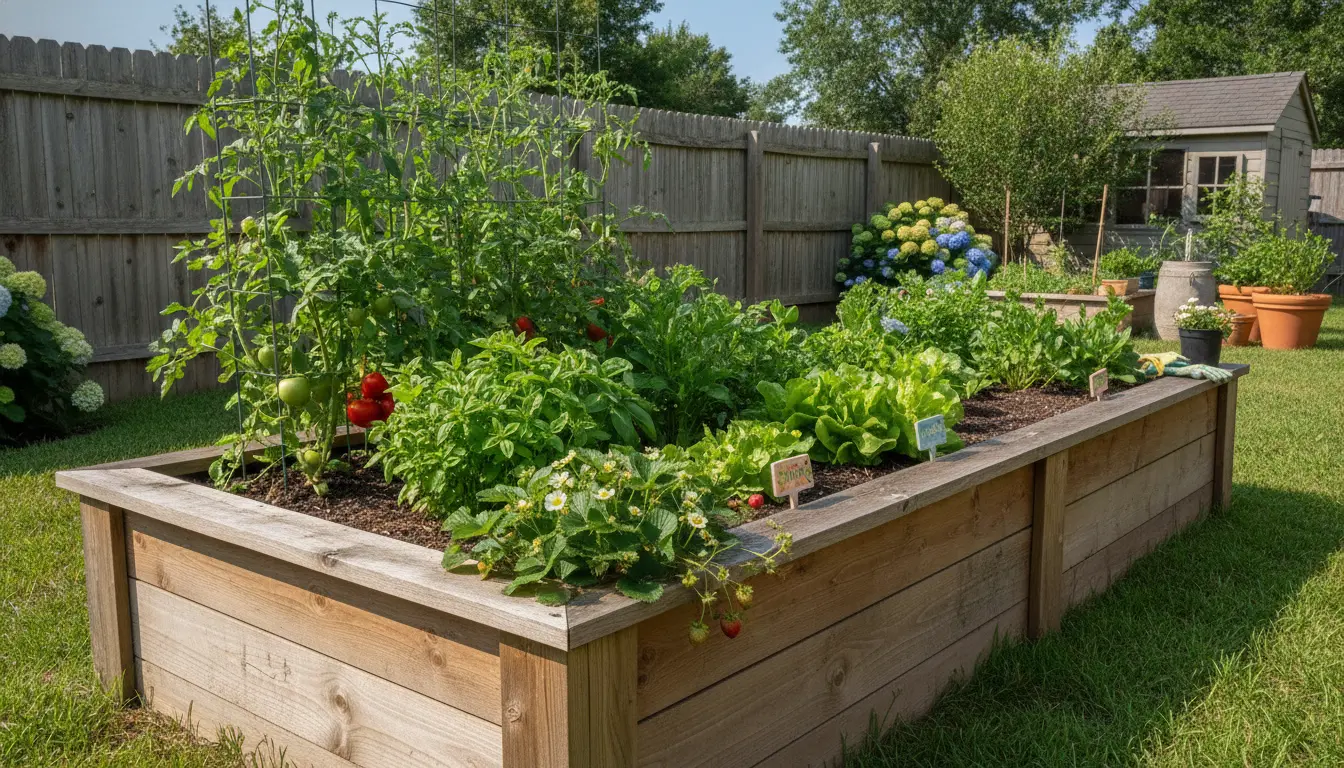
Why Build a Raised Garden Bed
Raised garden beds improve drainage, warm faster in spring, and concentrate soil nutrients for better plant growth. They also reduce back strain and can keep pests and weeds more manageable.
Whether you have a small balcony or a large yard, a raised garden bed is a practical way to grow vegetables, herbs, and flowers with fewer hassles.
Materials and Tools for a Raised Garden Bed
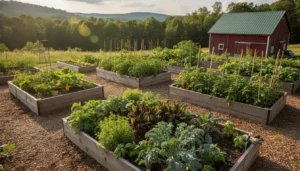
Choose durable, food-safe materials that suit your budget and style. Common choices include cedar, redwood, untreated pine, concrete blocks, or recycled composite boards.
Essential tools and materials:
- Wood boards or blocks for the frame
- Screws or brackets for assembly
- Landscape fabric or cardboard (optional weed barrier)
- Quality topsoil and amendments
- A measuring tape, saw, drill, level, and gloves
How to Build a Raised Garden Bed: Step-by-Step
1. Plan size and location
Pick a level, sunny spot with at least 6 hours of sunlight for most vegetables. If space is limited, consider a 4 ft by 4 ft or 4 ft by 8 ft bed for easy reach.
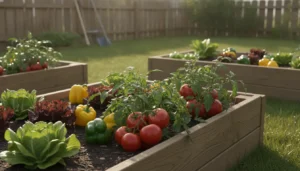
Standard bed height is 8–12 inches for shallow-rooted plants, and 12–24 inches for deeper roots or better accessibility.
2. Build the frame
Cut boards to length and assemble the frame with exterior-grade screws or brackets. Use corner braces for added strength.
Check the frame is square and level before moving on. If using blocks, stack them in a single or double layer and stagger the joints.
3. Prepare the base
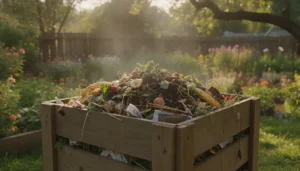
Remove turf or clear debris from the chosen area. Leaving soil in place helps worms and microbes connect with the bed soil.
Optional: Lay down cardboard or landscape fabric to suppress aggressive weeds while still allowing water and worms through.
4. Fill the bed with proper soil
Use a light, fertile mix for fast growth. A good starting blend is 50% topsoil, 30% compost, and 20% coarse sand or coconut coir for drainage.
For example, a 4 ft x 4 ft x 12 in bed needs about 1 cubic yard of soil blend. Amend annually with compost to maintain fertility.
5. Planting and layout
Plan crop spacing to avoid crowding. Use rows, blocks, or intensive square-foot gardening layouts depending on yield goals.
Mulch between plants to conserve water and keep weeds down. Water thoroughly after planting to settle roots.
Soil Mix and Planting Tips for Raised Garden Beds
Choose a nutrient-rich, well-draining mix. Adjust pH for specific crops—most vegetables prefer pH 6.0–7.0.
Soil mix recipe ideas:
- Vegetable blend: 50% screened topsoil, 30% compost, 20% coconut coir
- Herb mix: 40% topsoil, 40% compost, 20% perlite
- Container alternative: lightweight potting mix with added compost
Maintenance for a Raised Garden Bed
Monitor moisture; raised beds dry faster than in-ground gardens. Water deeply 1–2 times per week depending on weather and soil depth.
Rotate crops each season to reduce pest build-up and disease. Replenish with 1–2 inches of compost in spring and fall.
Raised beds can warm up 2–4 degrees Fahrenheit earlier in spring than ground-level soil, allowing earlier planting for many vegetables.
Common Mistakes to Avoid When Building a Raised Garden Bed
- Using treated wood that may leach harmful chemicals—choose untreated or food-safe materials.
- Making beds too wide—keep widths to 4 feet or less for easy reach from both sides.
- Overfilling with heavy soil that compacts—mix in compost and coarse material for structure.
Small Real-World Case Study
Case study: A city renter built a 4 ft x 4 ft x 12 in cedar bed on a rooftop. They filled it with a 50/30/20 mix of topsoil, compost, and coir and planted tomatoes, basil, and salad greens.
In the first season they harvested salad greens weekly and three tomato plants produced 25–30 lbs of fruit total. Total cost was under $200 including soil and lumber, and the bed lasted five seasons with minor maintenance.
Quick Checklist Before You Start
- Measure location and order materials
- Decide bed height and width for accessibility
- Source quality compost and topsoil
- Assemble frame, prepare base, and fill with soil mix
- Plan crop layout and watering schedule
Final Thoughts on Building a Raised Garden Bed
Raised garden beds are a low-cost, high-return improvement that can boost yields and make gardening easier. With basic tools and a clear plan, most people can build a durable bed in a few hours.
Start small, observe how your bed performs, and tweak the soil and watering routines for best results over time.