
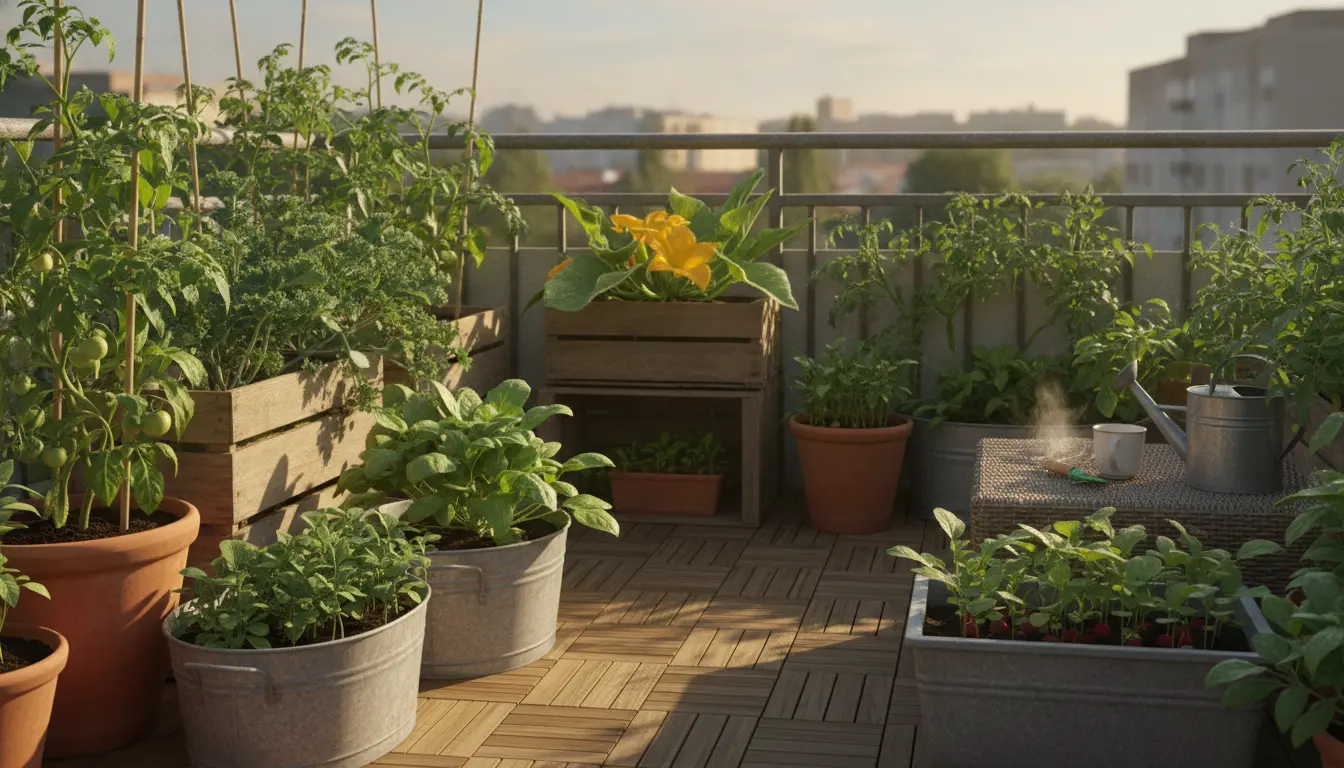
Why a small space vegetable garden works
Growing vegetables in a small space is practical and efficient for urban and suburban homes. Limited square footage does not prevent a steady supply of fresh produce when you plan and use smart techniques.
Assessing your space and light for a small space vegetable garden
Start by measuring the area you have available and noting sun exposure throughout the day. Many vegetables need 5–8 hours of direct sunlight; leafy greens tolerate less light.
Checklist to evaluate space
- Measure width and depth available for containers or beds.
- Track sun hours using simple notes or a smartphone app.
- Note access to water and wind exposure.
Planning your small space vegetable garden
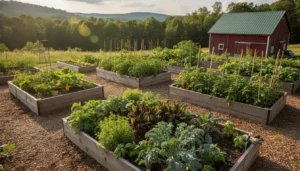
Plan around mature plant size, not seed packet spacing. Use compact, high-yield varieties and stagger plantings to keep harvests steady.
Plant selection for small spaces
- Choose dwarf or bush varieties like patio tomatoes and compact peppers.
- Prioritize fast growers: lettuce, radishes, baby carrots, and herbs.
- Add vertical crops: pole beans, cucumbers on a trellis, and peas.
Combine plants with similar water and light needs. This reduces maintenance and improves success.
Choosing containers and soil for a small space vegetable garden
Containers expand usable planting area and let you control soil quality. Use durable pots with drainage holes to avoid root rot.
Container and soil tips
- Use at least 5-gallon containers for tomatoes and other larger plants.
- Smaller pots (1–3 gallons) work for herbs and lettuce.
- Fill containers with a high-quality potting mix, not garden soil, for better drainage and nutrient retention.
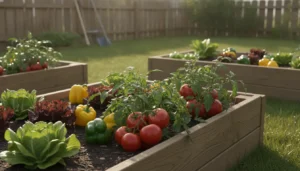
Group containers on wheels or trays to move them for sun, shade, or protection from weather.
Planting and maintenance for a small space vegetable garden
Simple routine care keeps productivity high. Regular watering, timely feeding, and light pruning produce better yields in compact systems.
Watering and feeding schedule
- Water containers when the top inch of soil is dry; frequency varies by weather.
- Use a balanced liquid fertilizer every 2–4 weeks during the growing season.
- Top-dress larger containers with compost mid-season to renew nutrients.
Pest control and plant health
Inspect leaves weekly for pests and disease. Remove damaged foliage and use physical barriers, hand-picking, or insecticidal soaps when needed.
Space-saving techniques for a small space vegetable garden
Maximize output with vertical and interplanting methods. Use walls, railings, and hanging baskets to increase planting area without increasing footprint.
- Vertical trellises for cucumbers, beans, and indeterminate tomatoes.
- Stacked planters and tiered shelves for herbs and small greens.
- Square-foot or intensive planting to fit more crops per container.
Harvesting and crop rotation in a small space vegetable garden
Harvest frequently to encourage new growth and extend production. For successive crops, rotate families of plants between seasons in the same containers when possible.
Simple rotation plan
- Spring: leaf crops and root vegetables.
- Summer: warm-season fruiting crops like tomatoes and peppers.
- Autumn: fast-maturing greens and fall brassicas.
Small real-world case study
Case: A two-bedroom apartment balcony yielded continuous produce for a family of two. The gardener used five 10-inch deep containers, a vertical trellis for cucumbers, and two hanging baskets for herbs.
By choosing compact tomato varieties and sowing leaf lettuce every three weeks, they harvested fresh salad ingredients from April through October. Weekly checks and container fertilization kept plants productive despite limited space.
Quick start checklist for your small space vegetable garden
- Measure space and note sun exposure.
- Choose compact varieties and vertical solutions.
- Select containers with drainage and quality potting mix.
- Set a watering and feeding routine.
- Plan staggered plantings for continuous harvests.
Starting a small space vegetable garden is a practical project with fast rewards. With basic planning and regular care, even a balcony or tiny yard can be highly productive.