
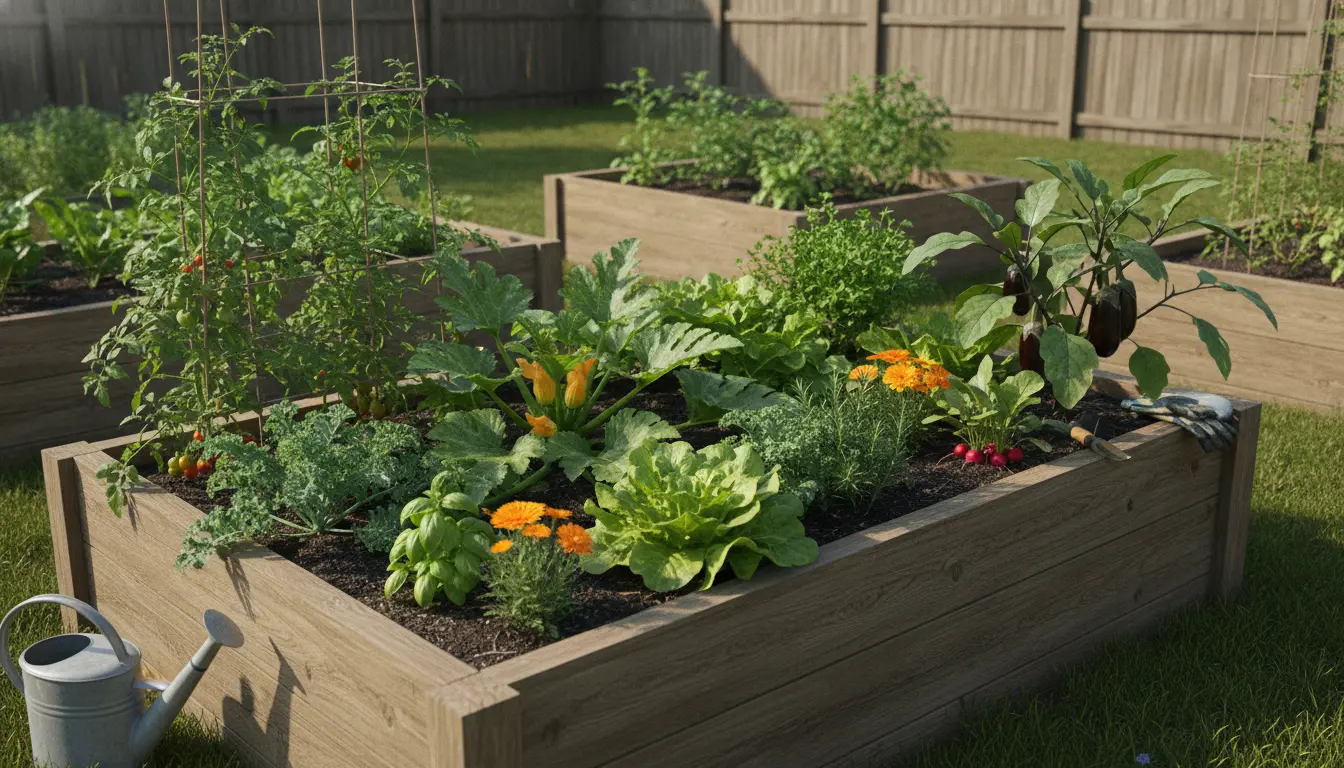
Starting a compact vegetable garden lets you grow fresh produce with limited space and time. This guide shows practical steps you can use to plan, plant, and maintain a productive small vegetable garden.
Why start a small vegetable garden
A small vegetable garden is easier to manage than a large plot and still provides fresh herbs and produce. It reduces grocery trips, teaches seasonal care, and fits patios, balconies, or compact yards.
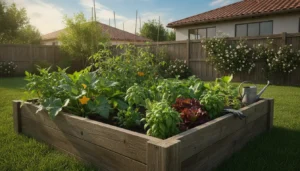
Use this method to maximize yield in a limited footprint and focus on plants that perform well in containers or raised beds.
Benefits of a small vegetable garden
- Lower maintenance: less weeding and watering than full-size gardens.
- Faster harvest cycles: easy to rotate crops and try new varieties.
- Cost effective: smaller soil and seed investments with high return.
How to start a small vegetable garden: step-by-step
Follow these clear steps to plan and set up your first small vegetable garden. Each step is practical and uses common gardening principles for beginners.
Step 1: Choose the location and layout for your small vegetable garden
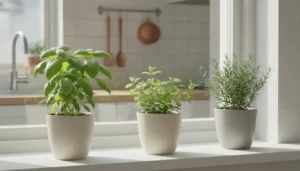
Pick a spot with at least 6 hours of sunlight for most vegetables. If you lack sunny ground space, use south-facing balconies, patios, or a sunny window ledge for containers.
Decide between containers, raised beds, or in-ground plots based on space and budget.
Step 2: Select containers and tools
Containers should have drainage holes and be large enough for root growth. Common choices include 12–18 inch pots for single plants or a 4×4 ft raised bed for multiple crops.
- Basic tools: trowel, hand fork, watering can or hose with gentle nozzle, pruning shears.
- Soil test kit can help identify pH and nutrient needs.
Step 3: Prepare soil and compost
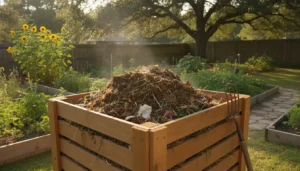
Use a loose, well-draining mix for containers: one part quality topsoil, one part compost, one part coarse sand or perlite. For raised beds, amend existing soil with 20–30% compost.
Good soil retains moisture but drains excess water to avoid root rot. Add slow-release organic fertilizer if needed.
Step 4: Choose easy plants for a small vegetable garden
Select crops that fit the space, mature quickly, and offer reliable yields. Good starter plants include:
- Leafy greens: lettuce, spinach, Swiss chard
- Root crops: radishes, baby carrots
- Herbs: basil, parsley, cilantro
- Container-friendly: cherry tomatoes, bush beans, peppers
Stagger plantings every 2–3 weeks to maintain continuous harvests.
Step 5: Watering and routine maintenance
Water deeply once or twice a week rather than shallow daily watering. Frequent shallow watering encourages weak roots.
Mulch containers and beds to retain moisture and suppress weeds. Check plants regularly for pests and remove affected leaves promptly.
Step 6: Seasonal care for a small vegetable garden
Adjust crops by season: cool-season vegetables (lettuce, spinach, radishes) in spring and fall; warm-season crops (tomatoes, peppers, beans) in late spring through summer.
Use row covers or shade cloth to protect delicate crops from heat or pests as needed.
Practical tips and examples for success
Apply these simple practices to improve yields without more space or time.
- Sow seeds shallow and thin seedlings to prevent overcrowding.
- Rotate plant families yearly if possible to reduce disease buildup.
- Pair tall and short plants for shade management—tall plants to the north side so they do not block light.
Containers warm faster in spring and extend the growing season. A single raised bed can produce enough salad greens for a small family when planted in succession.
Small real-world example: a productive 4×4 raised bed
Case study: Maria, a city renter, used a 4×4 ft raised bed on her balcony to grow vegetables. She planted spring lettuce and radishes, followed by tomatoes and basil in summer.
Using quality compost and staggered planting, she harvested weekly and reduced grocery salad purchases by half. Routine watering and pruning kept plants healthy with minimal time investment.
Common problems and quick fixes
- Yellowing leaves: check watering and nutrient levels; add compost or balanced fertilizer.
- Pest damage: handpick pests or use insecticidal soap for small infestations.
- Poor fruit set: ensure full sun and proper pollination—shake flowering plants lightly if pollinators are scarce.
Quick checklist to start a small vegetable garden
- Choose sunny location and container type
- Prepare or buy quality soil and compost
- Select 3–6 easy crops to begin
- Water deeply, mulch, and monitor pests
- Stagger plantings for continuous harvest
Starting a small vegetable garden is a manageable way to grow fresh food, learn seasonal care, and enjoy the rewards of hands-on gardening. Keep the steps simple and iterate based on what works in your microclimate and schedule.