
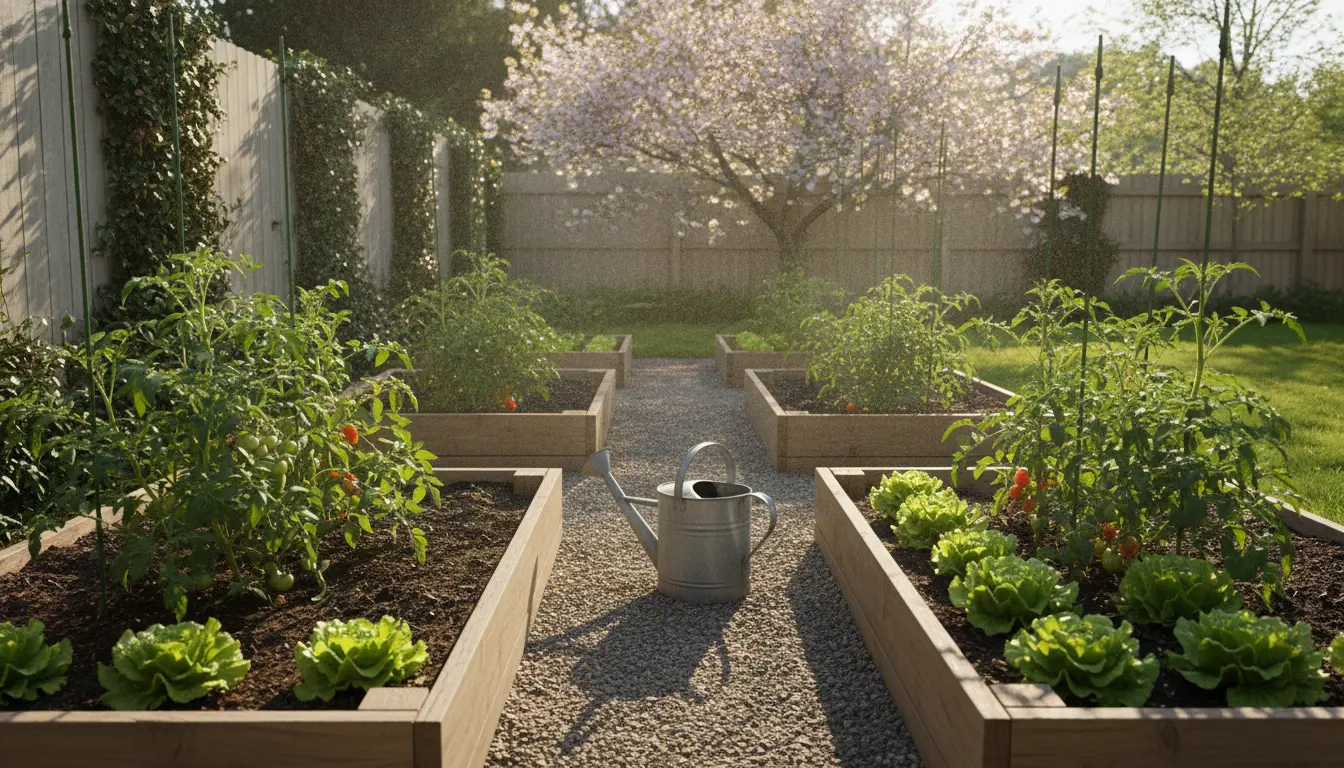
How to Start a Vegetable Garden: First Things to Know
Starting a vegetable garden is straightforward when you break it into simple steps. This guide gives practical instructions you can follow in your yard, balcony, or community plot.
Choose the Best Spot to Start a Vegetable Garden
Most vegetables need at least six hours of direct sunlight. Observe your space through a full day to find the sunniest spot. If sunlight is limited, pick crops that tolerate partial shade, like leafy greens and herbs.
Consider access and size
Choose a site close to a water source and with good drainage. Start small — a few raised beds or a 4×4 foot plot is enough for beginners. A compact area is easier to maintain and gives faster results.
Prepare Soil When You Start a Vegetable Garden
Good soil is the foundation of a productive garden. Test the soil pH if you can, and aim for slightly acidic to neutral soil (pH 6.0–7.0) for most vegetables.
Improve soil quality
- Add 2–4 inches of compost to enrich organic matter.
- Mix compost or aged manure into the top 6–12 inches of soil.
- Use raised beds or containers if the native soil is poor or compacted.
Plan What to Plant First
Choose easy, high-reward crops for your first season. Tomatoes, lettuce, carrots, radishes, and bush beans are forgiving and grow reliably for beginners.
Consider crop timing
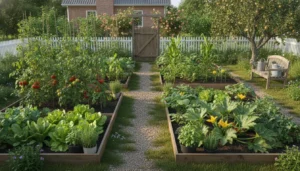
Check your local frost dates and plant cool-season crops (lettuce, spinach) before the last frost and warm-season crops (tomatoes, peppers) after it. Stagger planting for continuous harvests.
Planting Techniques to Start a Vegetable Garden Right
Follow seed packet instructions or nursery tags for depth and spacing. Overcrowding reduces airflow and increases disease risk, so respect recommended spacing.
Seed vs. seedlings
Start seeds for fast crops like radishes and lettuce; buy seedlings for crops that take longer to mature, such as tomatoes. Harden off seedlings by gradually exposing them to outdoors for a week before planting.
Watering and Mulching Tips
Water deeply and less often to encourage strong roots. A general rule is 1 inch of water per week, adjusted for heat and rainfall.
Mulch to save time
Apply 2–3 inches of organic mulch like straw or shredded leaves to retain moisture, suppress weeds, and keep soil temperature steady. Mulch also reduces splash-borne diseases.
Pest and Disease Management for a New Vegetable Garden
Prevent problems with good practices: rotate crops each year, remove diseased leaves, and keep beds tidy. Use physical barriers like row covers for insect control on young plants.
Low-toxicity options
- Hand-pick larger pests like slugs and beetles.
- Use insecticidal soap for soft-bodied insects like aphids.
- Encourage beneficial insects by planting pollinator flowers nearby.
Maintenance and Harvesting
Check your garden daily or every few days. Regular weeding, pruning, and monitoring reduce labor later in the season. Harvest frequently to encourage more production, especially for beans and leafy greens.
Simple tools to keep on hand
- Hand trowel and pruners
- Watering can or hose with a soft nozzle
- Mulch and garden gloves
Planting marigolds near tomatoes can help reduce some soil nematodes and attract beneficial insects. Companion planting won’t solve all pest issues but supports a healthier garden ecosystem.
Real-World Example: Small Urban Garden Case Study
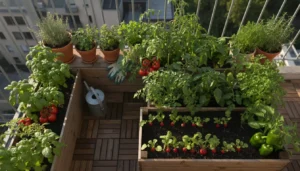
Case study: A renter named Anna converted a 6×3 foot balcony into a productive garden. She used three 2×1 foot containers and a trellis. In her first season she grew cherry tomatoes, basil, and leaf lettuce.
Anna’s approach: choose compact varieties, use quality potting mix, water daily in hot months, and fertilize lightly every 3–4 weeks. Her harvests supplied salads twice a week and cut grocery costs.
Common Beginner Mistakes and How to Avoid Them
- Planting too much at once — start small and expand after the first season.
- Overwatering — check soil moisture before adding water.
- Ignoring soil health — add compost annually to maintain fertility.
Next Steps to Grow a Successful Vegetable Garden
Pick a small test area and set a planting date based on local frost information. Build soil health with compost and choose 3–5 easy crops to start.
Record what you plant and when to learn from each season. With simple care and attention, a new vegetable garden becomes a reliable source of fresh food and satisfaction.