
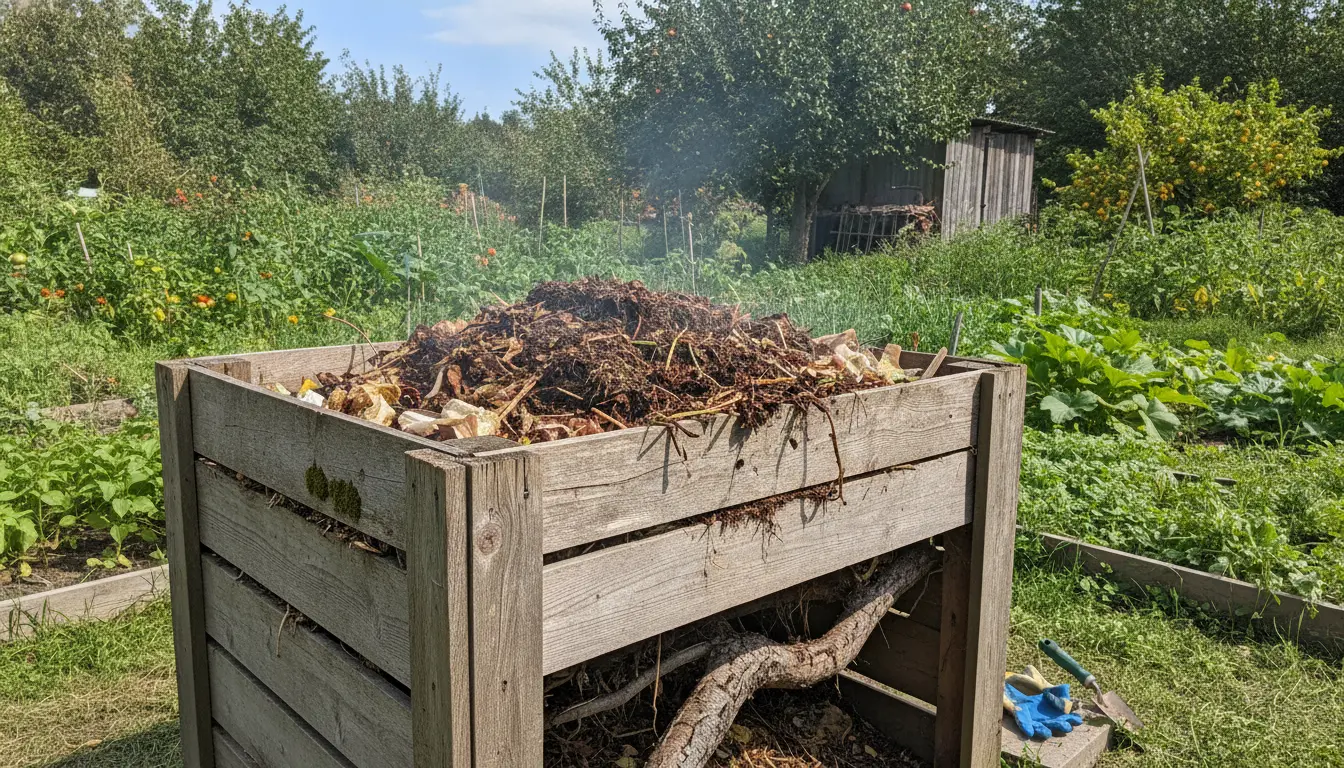
Composting at home turns kitchen scraps and yard waste into valuable soil amendment. This guide explains simple, practical steps to start and maintain a healthy compost pile or bin.
Home Composting for Beginners: Getting Started
Choose a convenient location with good drainage and partial shade. A flat spot near the garden or on a balcony is often ideal.
Select a bin or method that fits your space and lifestyle. Options range from a basic pile to a tumbler or a sealed worm bin for apartments.
Choosing a Compost Bin for Home Composting
Pick a bin based on capacity, odor control, and access. Tumblers speed decomposition and are easier to turn. Open bins are cheaper and work well for larger gardens.
- Backyard: Open or closed stationary bin, or a large tumbler.
- Small yard: Smaller tumbler or a simple compost enclosure.
- Apartment: Vermicompost (worm bin) or bokashi for limited indoor space.
What to Compost and What to Avoid
Balance green materials (nitrogen) with brown materials (carbon). Greens include fruit scraps, vegetable peelings, and fresh grass clippings.
Browns include dry leaves, shredded cardboard, and straw. Avoid meat, dairy, oily foods, diseased plants, and pet waste to prevent pests and odors.
Maintaining Home Composting: Balance and Troubleshooting
Successful composting depends on four elements: carbon, nitrogen, moisture, and oxygen. Keep these in balance for steady decomposition.
Turning, Moisture and Temperature
Turn the pile every 1–2 weeks to add oxygen and mix materials. In a tumbler, rotate it several times per week for best results.
Maintain moisture like a wrung-out sponge. Too dry slows breakdown; too wet causes odors and compaction. Add browns to soak up excess moisture.
Common Problems and Quick Fixes
- Bad smells: Add more brown material and turn the pile to increase oxygen.
- No heat/slow breakdown: Increase green materials and chop larger pieces to speed decomposition.
- Pests: Avoid adding meat/dairy and secure bin lids. Use a closed bin or fine mesh for food scraps.
Finished compost can improve soil water retention by up to 20 percent and reduce the need for chemical fertilizers.
Home Composting for Beginners: Practical Routine
Establish a simple routine to keep composting manageable. Place a small kitchen container for scraps and empty it into the outdoor bin twice weekly.
Layer browns and greens roughly in a 3:1 brown-to-green volume ratio. Chop large items and mix to promote airflow.
Tools and Supplies
- Pitchfork or turning tool for open bins
- Tumbler for easy rotation
- Kitchen scraper or compost caddy with a lid
- Thermometer (optional) to check internal temperature
Using Finished Compost and a Short Case Study
Compost is ready when it is dark, crumbly, and earthy-smelling with no recognizable food pieces. Use it as a soil amendment, top dressing, or potting mix ingredient.
Apply a 1–2 inch layer to garden beds or mix into planting holes to boost plant growth and soil structure.
Case Study: Small Apartment Compost Setup
María lives in a two-bedroom apartment and wanted to reduce waste. She set up a 20-liter worm bin under her sink and a small outdoor bin for yard waste.
She stored vegetable scraps in a sealed jar in the fridge to reduce odors. Twice a week she added scraps to the worm bin and fed the outdoor bin with dry leaves from a neighbor.
After three months María harvested vermicompost to feed potted herbs and mixed finished compost into window boxes. Her monthly waste to landfill dropped by 40 percent.
Examples and Practical Tips
Here are simple examples to follow when starting home composting:
- Start small: A 3-bin system is not necessary at first. One bin will teach you the basics.
- Chop materials: Smaller pieces decompose faster and reduce odor risk.
- Use shredded paper: Mix it with greens to improve carbon content and structure.
Home composting is a low-cost, high-impact way to reduce waste and improve garden soil. Begin with a simple bin, keep a regular routine, and adjust the balance of materials as you observe the process. With a little attention you will produce rich compost that benefits plants and the environment.