
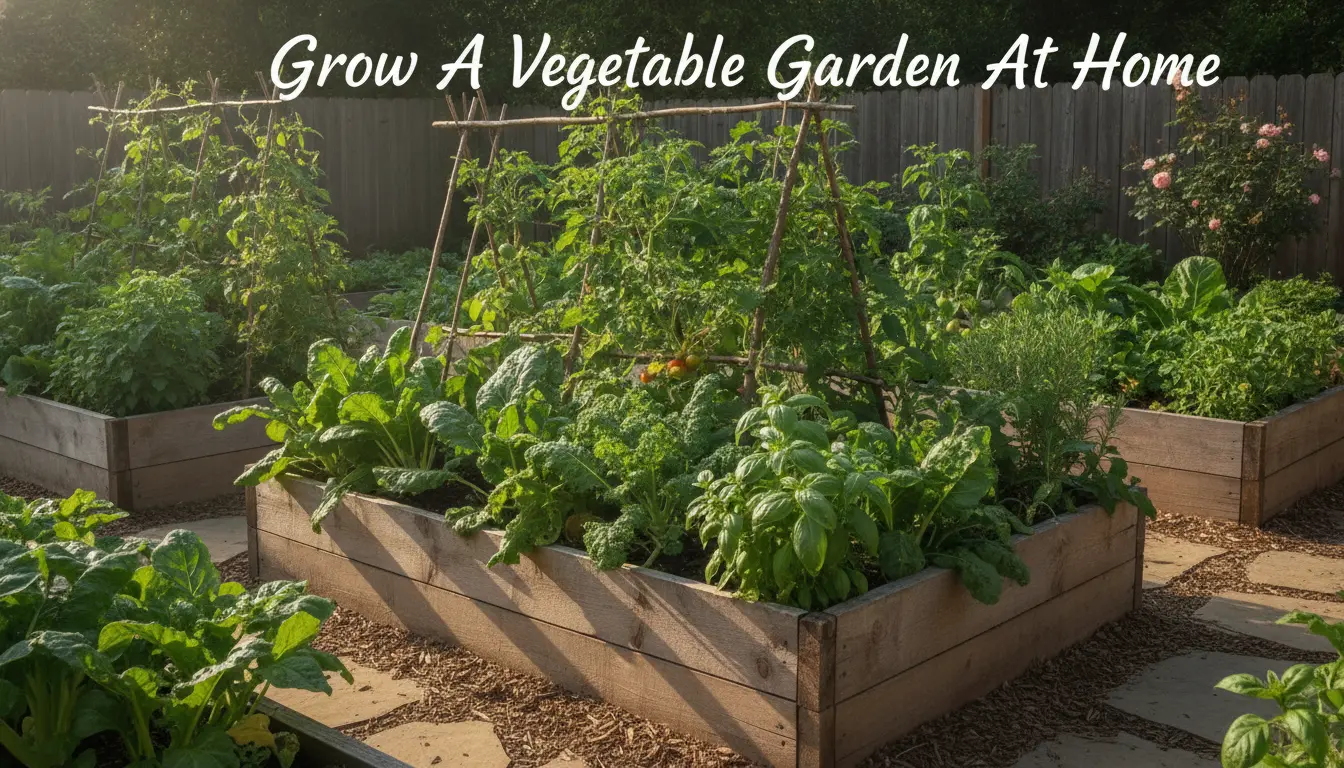
How to Start a Vegetable Garden: First Steps
Starting a vegetable garden at home is a practical way to grow fresh food and save money. This guide walks you through site selection, soil preparation, plant selection, planting, and ongoing care.
Choose the Right Location to Start a Vegetable Garden
Pick a spot that gets at least 6 hours of direct sunlight each day for most vegetables. A flat area with good drainage will reduce problems with waterlogged roots and pests.
Consider proximity to water and visibility from your house so you can check the garden often. If space is limited, choose containers or raised beds instead of a traditional in-ground plot.
Sunlight and Microclimate
Observe the proposed location across a full day to note shade patterns. South- or west-facing spots usually get the most sun in northern climates.
Use windbreaks or shade cloth where strong winds or hot afternoon sun stress young plants.
Prepare Soil and Beds for a Vegetable Garden
Healthy soil is the foundation of a productive garden. Aim to improve soil structure, drainage, and fertility before planting.
Test the soil pH with a home kit or local extension service. Most vegetables grow best in soil with pH 6.0–7.0.
Soil Improvement Steps
- Remove weeds and debris from the area.
- Loosen the top 8–12 inches of soil with a spade or fork.
- Work in 2–4 inches of compost or well-rotted manure to boost organic matter.
- Add lime or sulfur only if test results show pH adjustment is needed.
Select Vegetables to Grow
Choose vegetables that match your climate, season, and family preferences. Start with easy crops to build confidence and quick results.
Good beginner vegetables include tomatoes, lettuce, radishes, beans, and herbs like basil and parsley.
Consider Time and Space
Determine how much time you can commit to maintenance. Some crops, like tomatoes, need more attention than leafy greens.
Use vertical supports for vining plants to save space and increase yields.
Planting: Timing and Techniques
Follow seed packet or plant tag recommendations for planting dates and spacing. Plant seeds at the correct depth to ensure good germination.
Stagger plantings of quick crops like lettuce to maintain a steady harvest over weeks, not just days.
Seedlings vs Seeds
Starting with seedlings speeds up production but costs more. Seeds are economical and offer more varieties.
Harden off seedlings by gradually exposing them to outdoor conditions for a week before transplanting.
Watering and Mulching for a Healthy Vegetable Garden
Water regularly and deeply to encourage strong root systems. Most vegetable gardens need about 1–1.5 inches of water per week, depending on weather.
Use drip irrigation or soaker hoses to deliver water at soil level and reduce disease risk on foliage.
Mulch Benefits
- Conserves soil moisture
- Suppresses weeds
- Moderates soil temperature
Apply a 2–3 inch layer of organic mulch like straw, shredded leaves, or grass clippings after soil has warmed.
Maintenance: Weeding, Fertilizing, and Pest Control
Regular weeding prevents competition for nutrients and water. Pull weeds when small to reduce labor.
Feed plants with a balanced organic fertilizer or compost tea during the growing season. Follow product instructions to avoid over-fertilizing.
Simple Pest Management
- Inspect plants weekly for pests or disease signs.
- Use row covers to protect young crops from insects and birds.
- Encourage beneficial insects with flowering herbs and companion plants.
Planting marigolds near tomatoes can reduce nematode damage and attract pollinators. Companion planting is a low-cost way to support garden health.
Harvesting and Rotation in Your Vegetable Garden
Harvest vegetables at their peak for best flavor and to encourage continued production. Pick leafy greens before they bolt to seed.
Rotate crops each season to different parts of the garden to reduce soil-borne diseases and nutrient depletion.
Storage and Use
Store crops properly to extend freshness—leafy greens in a crisper, root crops in a cool, dark place. Preserve excess harvest by freezing, pickling, or drying.
Real-World Example: Small Raised Bed Success
Case study: A suburban family converted a 6 x 4 ft unused lawn patch into two raised beds. They filled beds with a mix of topsoil and compost and planted tomatoes, bush beans, lettuce, and basil.
After two growing seasons, the family reported weekly fresh salads and reduced grocery spending on produce. Minimal tools, weekly watering, and seasonal crop rotation kept the beds productive.
Quick Checklist to Start a Vegetable Garden
- Choose a sunny, well-drained location
- Test and amend soil with compost
- Select easy, climate-appropriate crops
- Start seeds or buy seedlings and harden off
- Water consistently and mulch
- Monitor pests and rotate crops annually
Starting a vegetable garden at home is achievable with a small time investment and basic planning. Follow these steps, adapt to your conditions, and learn from each season to improve yields and enjoyment.