
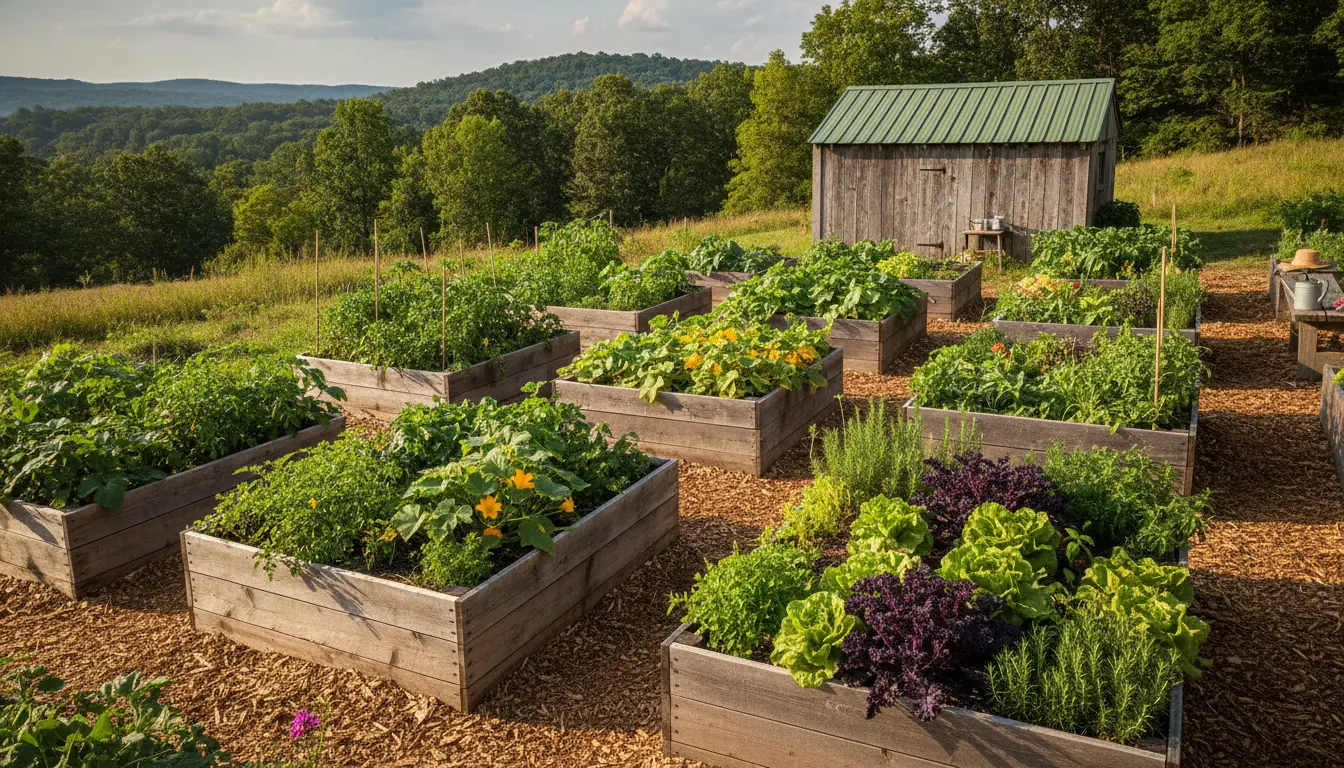
Why start a small vegetable garden
Growing your own vegetables saves money and gives fresher produce than store-bought options. A small garden fits balconies, patios, or a small backyard and is easier to maintain for beginners.
This guide gives clear steps you can follow this season to get plants in the ground and producing food quickly.
Start a small vegetable garden: plan and site selection

Choose a spot with at least 4–6 hours of sunlight daily. Most vegetables need sun to produce well.
Consider access to water, protection from strong wind, and how close the space is to your kitchen for easy harvesting.
Small vegetable garden layout options
- Containers or pots on a balcony or patio
- Raised beds for better soil control
- In-ground small plots for yard spaces
Soil and containers for a small vegetable garden
Healthy soil is the base of a productive garden. If using containers, choose a potting mix designed for vegetables.
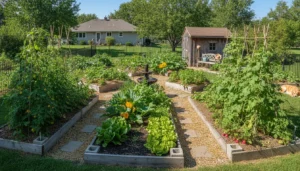
For raised beds or in-ground gardens, aim for loamy soil with good drainage and organic matter.
Soil mix and amendments for a small vegetable garden
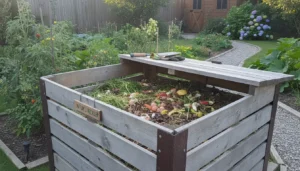
- Mix compost into native soil at a rate of 20–30% to improve fertility.
- Use a balanced slow-release fertilizer if a soil test shows low nutrients.
- Ensure pH is in the 6.0–7.0 range for most vegetables.
What to plant first in a small vegetable garden
Start with easy, productive vegetables that tolerate limited space. These give quick wins and build confidence.
- Leafy greens: lettuce, spinach, Swiss chard
- Herbs: basil, parsley, cilantro
- Fast fruiters: radishes, bush beans, cherry tomatoes
Planting tips for a small vegetable garden
Follow seed packet spacing and sowing depth. Thin seedlings to the recommended spacing to avoid crowding.
Succession plant: sow small amounts every 2–3 weeks for continuous harvest of lettuce and other quick crops.
Watering and maintenance for a small vegetable garden
Consistent moisture is vital. Water deeply and less often rather than frequent light watering to encourage strong roots.
Use a simple schedule: 1–2 times per week depending on weather, more in heat. Adjust if soil surface dries fast.
Pest and disease basics for a small vegetable garden
Scan plants regularly for chew marks, yellowing, or spots. Early detection simplifies treatment.
- Handpick slugs and caterpillars in the morning.
- Use row covers to protect seedlings from common insects.
- Remove diseased foliage promptly and avoid overhead watering to reduce fungal issues.
Harvesting and crop rotation in a small vegetable garden
Harvest regularly to encourage further production, especially for leafy greens and herbs. Pick tomatoes when ripe for best flavor.
Rotate crop families each season when possible to reduce pest buildup and soil nutrient depletion.
Small real-world example: Balcony raised bed case study
Maria, an apartment resident, converted a 6-foot balcony into a small vegetable garden using two 4-foot raised planter boxes. She chose cherry tomatoes, basil, lettuce, and bush beans.
In the first season she followed a simple plan: quality potting mix, one weekly deep watering, and a slow-release fertilizer. By mid-summer she harvested salad greens weekly and had a steady supply of tomatoes by late July.
Her small setup produced enough fresh salad ingredients for two people and reduced grocery trips. Regular checking for aphids and removing affected leaves kept plants healthy.
Tools and supplies checklist to start a small vegetable garden
- Containers, raised beds, or marked garden plot
- Quality potting mix or compost
- Basic tools: trowel, hand fork, watering can or hose
- Seed packets or starter plants
- Mulch to retain moisture and suppress weeds
Many common vegetables, like lettuce and radishes, can be grown in containers as small as 6 inches deep, making them ideal for small spaces and balconies.
Common mistakes to avoid when you start a small vegetable garden
- Overwatering or poor drainage leading to root rot.
- Planting too densely and not thinning seedlings.
- Ignoring sunlight needs—most vegetables need several hours of direct sun daily.
Next steps to start your small vegetable garden
Create a simple plan this weekend: pick the site, choose 3–4 easy crops, and acquire soil and containers. Set a planting date and prepare the beds.
Track what you planted and note harvest dates—small observations help improve yields each season.
With basic planning and consistent care, anyone can start a small vegetable garden and enjoy homegrown produce in weeks to months. Begin small, learn, and expand as you gain experience.