
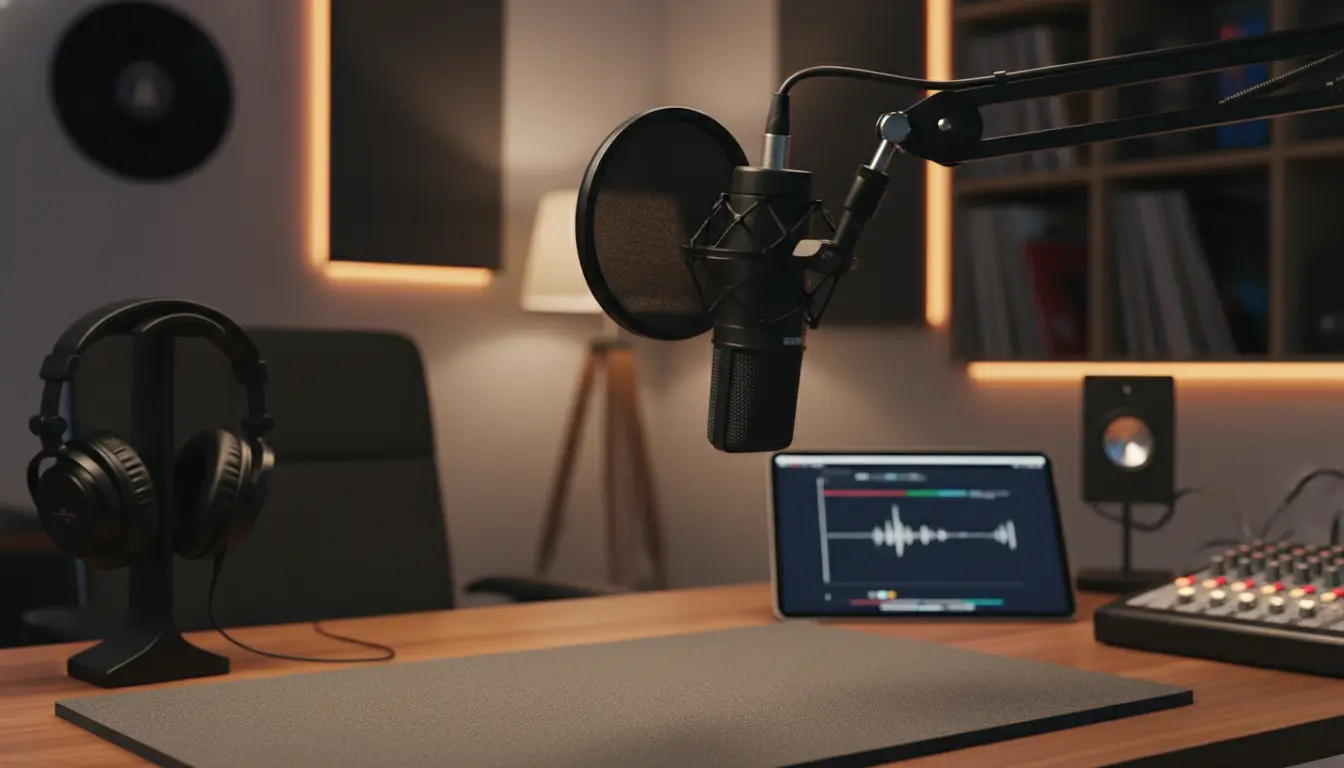
How to Start a Podcast: Quick Overview
Starting a podcast is manageable with clear steps and modest equipment. This guide explains the essential actions from planning to launch and early promotion.
How to Start a Podcast: Plan Your Show
Begin with a defined purpose and target audience. A focused concept makes production, promotion, and growth easier.
How to Start a Podcast: Choose a Topic and Format
Pick a topic you can discuss consistently. Decide on a format: solo, co-hosted, interview, or narrative. Each format affects equipment and editing time.
- Topic: Narrow to a specific niche for faster audience growth.
- Format: 20–60 minute episodes are common; shorter episodes can attract busy listeners.
- Frequency: Weekly or biweekly schedules work well for beginners.
How to Start a Podcast: Name, Branding, and Goals
Choose a clear, searchable name that hints at the topic. Create simple branding: a tagline, cover art concept, and brief show description for directories.
Set measurable goals for the first three months: number of episodes, downloads, and distribution platforms.
How to Start a Podcast: Essential Equipment
You don’t need expensive gear to start. Good audio quality matters more than flashy equipment.
- Microphone: A USB dynamic mic is affordable and reduces background noise.
- Headphones: Closed-back headphones help monitor audio while recording.
- Recording setup: Use a quiet room, a mic stand, and a pop filter.
- Software: Free options like Audacity or paid options like Adobe Audition or Hindenburg.
How to Start a Podcast: Recording and Editing
Record short test episodes to learn levels and pacing. Edit for clarity and remove long silences, but keep natural flow.
Recording Tips
Position the mic 6–12 inches from your mouth and speak slightly off-axis to reduce plosives. Record at 44.1 kHz and 16-bit for standard podcast quality.
Editing Workflow
- Trim dead air and obvious mistakes.
- Normalize loudness to -16 LUFS for stereo podcasts and -19 LUFS for mono, which helps consistent volume across platforms.
- Apply light compression and EQ to improve clarity.
- Export as high-bitrate MP3 (128–192 kbps) or AAC for smaller file sizes with good quality.
How to Start a Podcast: Hosting and Distribution

Choose a podcast host to store files and generate an RSS feed. Popular hosts include Libsyn, Podbean, and Anchor.
- Sign up for a host with analytics and automated directory submission.
- Submit your RSS feed to Apple Podcasts, Spotify, and Google Podcasts.
- Write clear episode titles and show notes with timestamps and links to resources.
How to Start a Podcast: Launch Strategy and Promotion
A strong launch includes several episodes and a plan to attract initial listeners. Promotion should be consistent and targeted.
- Launch with 3–5 episodes to give new listeners a sense of your show.
- Leverage social media, email lists, and relevant online communities.
- Ask friends and early listeners to subscribe and leave reviews.
Promotion Tips
Create short audio clips or audiograms to share on social platforms. Repurpose episode content into blog posts, quotes, and newsletter items.
Apple Podcasts was responsible for mainstreaming podcast discovery. Many listeners still find new shows through Apple or Spotify directory features.
How to Start a Podcast: Monetization Basics
Monetization comes later for most podcasts. Focus first on audience and consistency. Common monetization paths include sponsorships, listener support, and premium content.
- Sponsorships: Work with brands once you have steady downloads per episode.
- Listener support: Patreon or direct donations work for engaged audiences.
- Products and services: Sell courses, merchandise, or consulting related to your topic.
Real-World Example: Local Gardening Podcast
A small gardening club launched a biweekly show covering seasonal tips. They started with a USB mic, three recorded episodes for launch, and a simple cover image made with free tools.
Within two months they reached 1,200 total downloads by sharing episodes in local Facebook groups and linking episodes to a short blog post summarizing each show. Sponsorship offers followed after six months.
How to Start a Podcast: Common Mistakes to Avoid
- Skipping planning: Episodes without focus struggle to retain listeners.
- Poor audio quality: Bad sound is the fastest way to lose an audience.
- Inconsistent publishing: Irregular schedules reduce subscriber growth.
How to Start a Podcast: Simple Launch Checklist
- Finalize show concept and format.
- Choose a name, write a description, and design cover art.
- Record and edit 3 episodes.
- Choose a host and submit to major directories.
- Create a basic promotion plan and launch.
How to Start a Podcast: Final Tips
Start simple and improve episode quality over time. Track listener feedback and analytics to refine topics and formats. Consistency and patience are key.
If you can commit to regular episodes and steady promotion, your podcast can grow into a reliable channel for your message or business.