
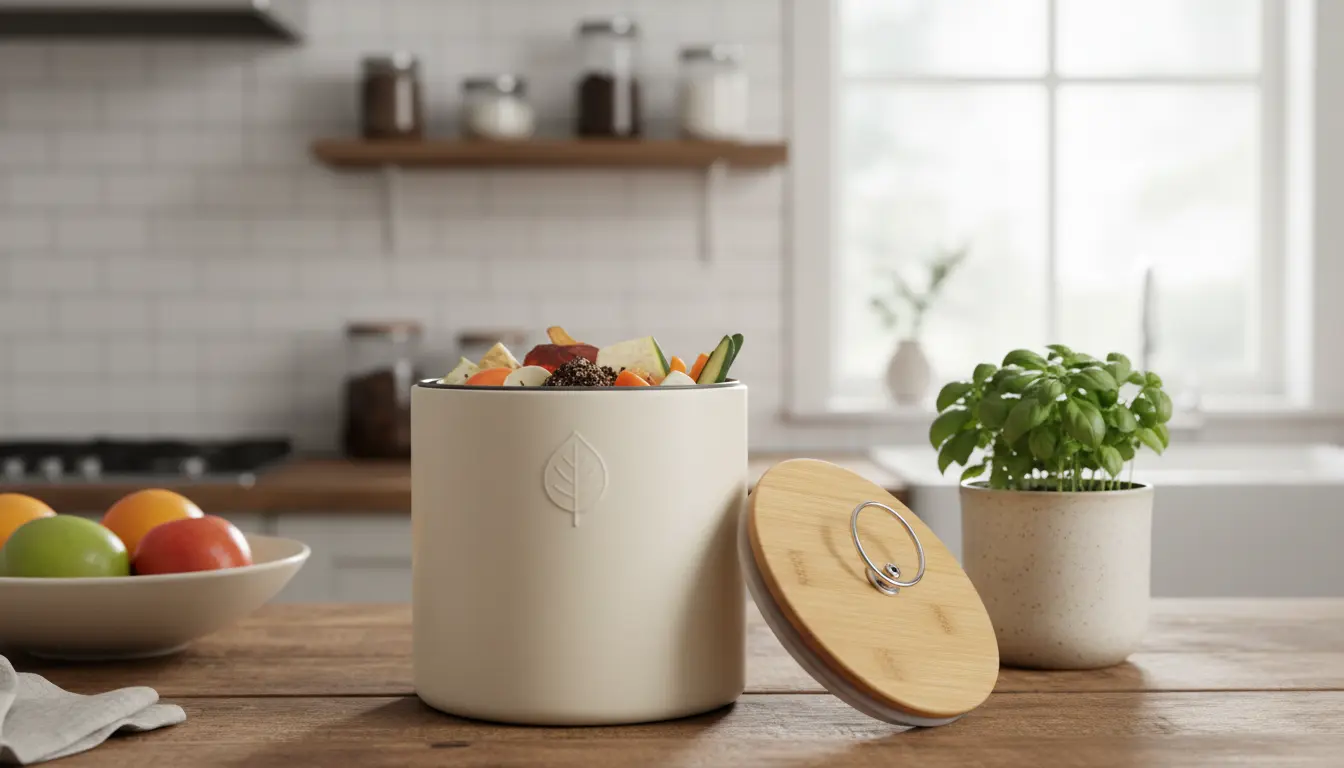
Why Choose Home Composting
Home composting turns kitchen scraps and yard waste into nutrient-rich compost for plants. It reduces household waste, lowers garbage costs, and supports a healthier garden.
This guide gives clear, practical steps for beginners to set up and maintain a working system at home.
How Home Composting Works
Composting is a controlled decomposition process where microbes break down organic matter. The result is humus, a dark, crumbly material that improves soil structure and fertility.
Three main elements drive composting: carbon (browns), nitrogen (greens), and oxygen. Water and particle size also affect the process speed.
Key Ingredients for Home Composting
- Greens (nitrogen): vegetable scraps, coffee grounds, fresh grass clippings.
- Browns (carbon): dry leaves, shredded paper, small wood chips.
- Air: turn the pile or use an aerated bin to provide oxygen.
- Moisture: damp like a wrung-out sponge; not soggy.
Choosing a Compost Method
Pick a method that fits your space and commitment level. Small households and apartment dwellers have different options than large gardens.
Popular Home Composting Methods
- Tumbler bins — Good for faster turning and fewer pests.
- Stationary heap or bin — Simple and low cost for yards.
- Bokashi — Fermentation method ideal for apartments and can handle meat and dairy.
- Worm composting (vermicomposting) — Uses worms to produce rich castings in small spaces.
Setting Up Your Home Composting System
Follow these steps to get started quickly and avoid common mistakes.
Step-by-Step Setup
- Choose a location: pick a well-drained, partially shaded spot near your kitchen for convenience.
- Select a system: buy a bin or build one from pallets. Use a worm bin for indoor composting.
- Start the base: add coarse browns like twigs to help airflow, then alternate layers of greens and browns.
- Monitor moisture and temperature: a hot pile (110–160°F) composts faster; home piles often remain cooler but still produce good compost.
- Turn regularly: aerate every 1–2 weeks for a bin, or use a tumbler for easy turning.
Common Problems and Fixes in Home Composting
New composters often encounter odor, pests, or slow decomposition. These can usually be fixed with a few adjustments.
Quick Troubleshooting
- Bad smell — Add more browns and mix the pile to increase air flow.
- Pests — Bury food scraps under browns, use a sealed bin, or switch to bokashi.
- Too dry — Add water and more greens; keep the pile damp but not waterlogged.
- Too wet and compacted — Add coarse browns and turn to reintroduce air.
- Slow breakdown — Chop materials into smaller pieces and maintain a proper green-to-brown ratio of about 1:3 by volume.
Compost can improve soil water retention by up to 50 percent and can reduce the need for chemical fertilizers. Adding just an inch of compost to garden beds can rapidly boost plant health.
Maintenance and Harvesting for Home Composting
Regular maintenance keeps compost healthy and productive. Check the pile weekly for moisture and mix if needed.
When the compost is dark, crumbly, and earthy-smelling, it is ready to use. Screen it to remove larger pieces and return those to the pile.
How to Use Finished Compost
- Mix into garden beds at a ratio of about 1 inch over the soil or 10-20% by volume when mixing into potting soil.
- Use as a mulch around shrubs and vegetables to retain moisture and suppress weeds.
- Make compost tea for liquid feeding of plants—steep compost in water for a few days, strain, and dilute before use.
Small Real-World Example
Case Study: Sarah, a city apartment dweller, started a small worm bin on her balcony. She fed worms kitchen scraps and shredded paper and harvested castings after three months.
Sarah reduced her weekly trash by half and used the castings to feed potted herbs, seeing healthier growth and less need for store-bought fertilizers.
Benefits of Home Composting
Home composting lowers household waste, cuts methane emissions from landfills, and produces free, nutrient-rich soil amendment. It also encourages mindful waste habits.
Start small, learn the basics, and scale your system as you gain confidence.
Final Tips for Successful Home Composting
- Keep a small countertop bin for scraps and empty it daily into your compost system.
- Chop or shred larger items to speed decomposition.
- Balance greens and browns and maintain airflow for steady progress.
- Be patient—composting is active recycling and improves over time.
With a simple system and a little routine maintenance, home composting becomes an easy, rewarding habit that benefits your garden and the planet.