
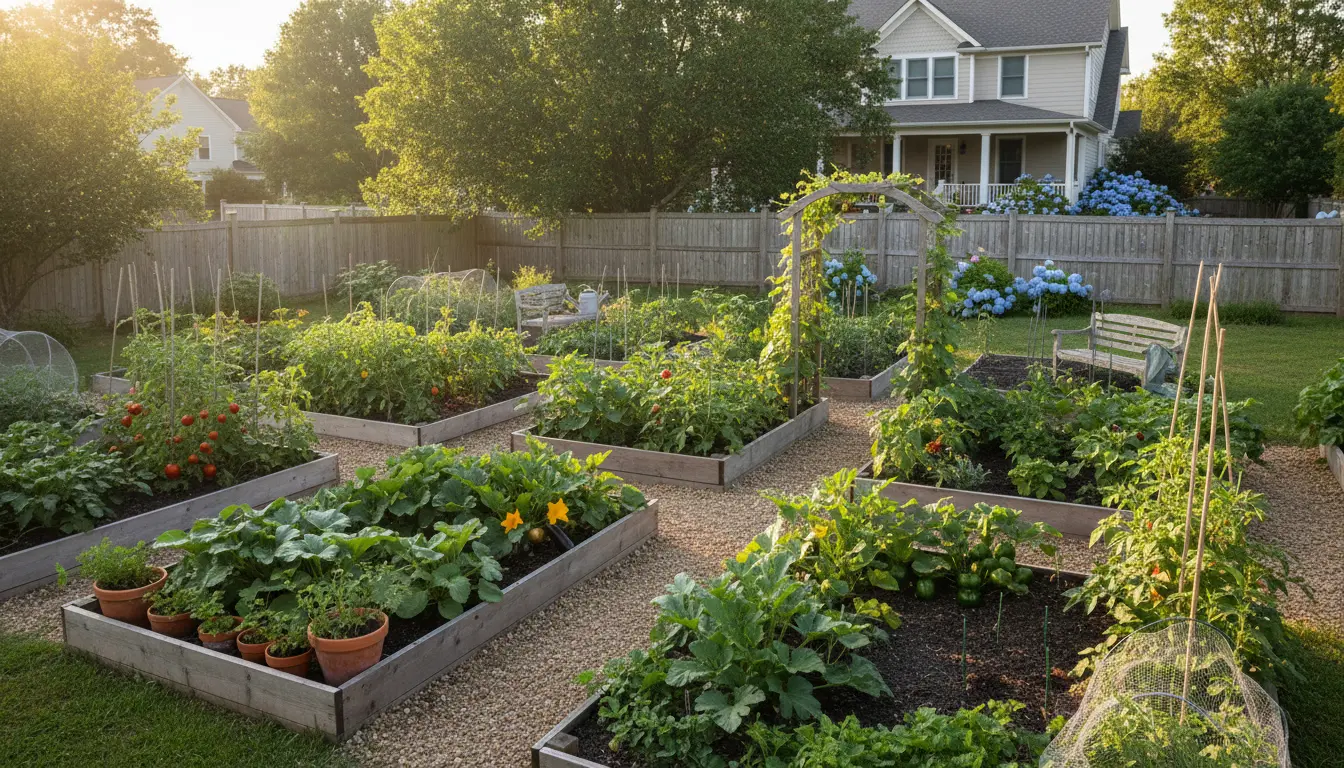
How to Start a Vegetable Garden: Basic Overview
Starting a vegetable garden is a practical way to grow fresh food and learn new skills. This guide breaks down the process into clear steps you can follow this season.
Plan Before You Plant
Good planning reduces wasted time and money. Choose the size, location, and simple layout before you buy seeds or soil.
Choose a Location for Your Vegetable Garden
Select a spot with at least 6 hours of direct sunlight each day. Sun exposure is one of the most important factors for productive vegetable beds.
Also consider proximity to water, access for maintenance, and protection from strong wind. A flat area or gentle slope works best to avoid drainage problems.
Decide Garden Size and Layout
Start small to keep the project manageable. A 4×8 foot raised bed or a few 3-foot wide rows can feed a small household during the season.
Plan paths wide enough for a wheelbarrow and use rectangular beds for efficient planting and harvesting. Sketch a simple layout before planting.
Prepare Soil and Beds
Healthy soil is the foundation of a good vegetable garden. Focus on improving soil structure and fertility before planting.
Test and Amend Soil
Use a basic soil test to check pH and nutrient levels. Many local extension services offer low-cost tests and recommendations.
Add compost and well-rotted organic matter to improve texture and fertility. For heavy clay, add coarse sand and organic matter to improve drainage.
Create Beds and Mulch
Build raised beds or dig in organic matter to loosen compacted soil. Raised beds warm earlier in spring and often yield better results.
Apply a 2-3 inch layer of mulch around plants to retain moisture and suppress weeds. Organic mulches also break down and enrich the soil.
Choose Vegetables and Planting Times
Select crops that match your climate, space, and skill level. Some vegetables are easier for beginners than others.
Easy Vegetables for Beginners
- Leafy greens: lettuce, spinach, chard
- Root crops: radishes, carrots, beets
- Nightshades and vines: tomatoes, peppers, bush beans
- Herbs: basil, parsley, cilantro
Check planting dates for your region and stagger plantings to extend harvests. Use seed packets or local planting calendars for timing.
Watering and Care
Consistent watering is crucial for steady growth and good yields. Aim for deep, infrequent watering rather than frequent light sprinkling.
Watering Tips
- Water at the base of plants to avoid wetting leaves, which can cause disease.
- Use soaker hoses or drip irrigation for efficiency and lower evaporation.
- Morning watering reduces fungal problems and ensures plants start the day hydrated.
Pest and Disease Management
Expect pests and some diseases, and use preventive strategies first. Integrated pest management minimizes chemical use and protects beneficial insects.
Preventive Practices
- Rotate crops yearly to reduce build-up of soil pests and pathogens.
- Encourage pollinators and predators by planting flowers and avoiding broad-spectrum pesticides.
- Remove diseased foliage promptly and maintain good airflow between plants.
Harvesting and Storage
Harvest vegetables when they are at peak flavor and size. Frequent harvesting often encourages more production, especially in beans and squash.
Store produce properly: cool, dry storage for root vegetables and crisp, low-humidity storage for leafy greens where possible.
Growing your own vegetables can reduce grocery costs and lower food miles. A small 4×8 foot bed can produce hundreds of dollars worth of produce per season when well managed.
Simple Soil-Building Practices
Soil improvement is an ongoing process that pays off year after year. Focus on organic matter and cover crops to maintain long-term fertility.
Compost and Cover Crops
Add finished compost each fall and consider planting a winter cover crop like clover or rye. Cover crops protect soil and add nutrients when turned in spring.
Mulching with leaves and grass clippings returns organic material to the soil and reduces the need for external inputs.
Case Study: A Small Backyard Success
Example: Sarah, a beginner gardener, set up a 4×8 raised bed in her suburban backyard. She chose tomatoes, lettuce, radishes, and basil for easy care and steady harvests.
Sarah composted kitchen scraps, watered with a drip line, and used a simple trellis for tomatoes. By midsummer she harvested weekly salads and several pounds of tomatoes, reducing her grocery produce bill.
Final Tips to Start a Vegetable Garden
- Start small and expand as you gain confidence.
- Keep a garden journal to track planting dates and results.
- Learn from failures and treat them as experiments.
Starting a vegetable garden is both a practical project and a learning process. With basic planning, soil care, and consistent maintenance, you can grow reliable, tasty produce even in a small space.