
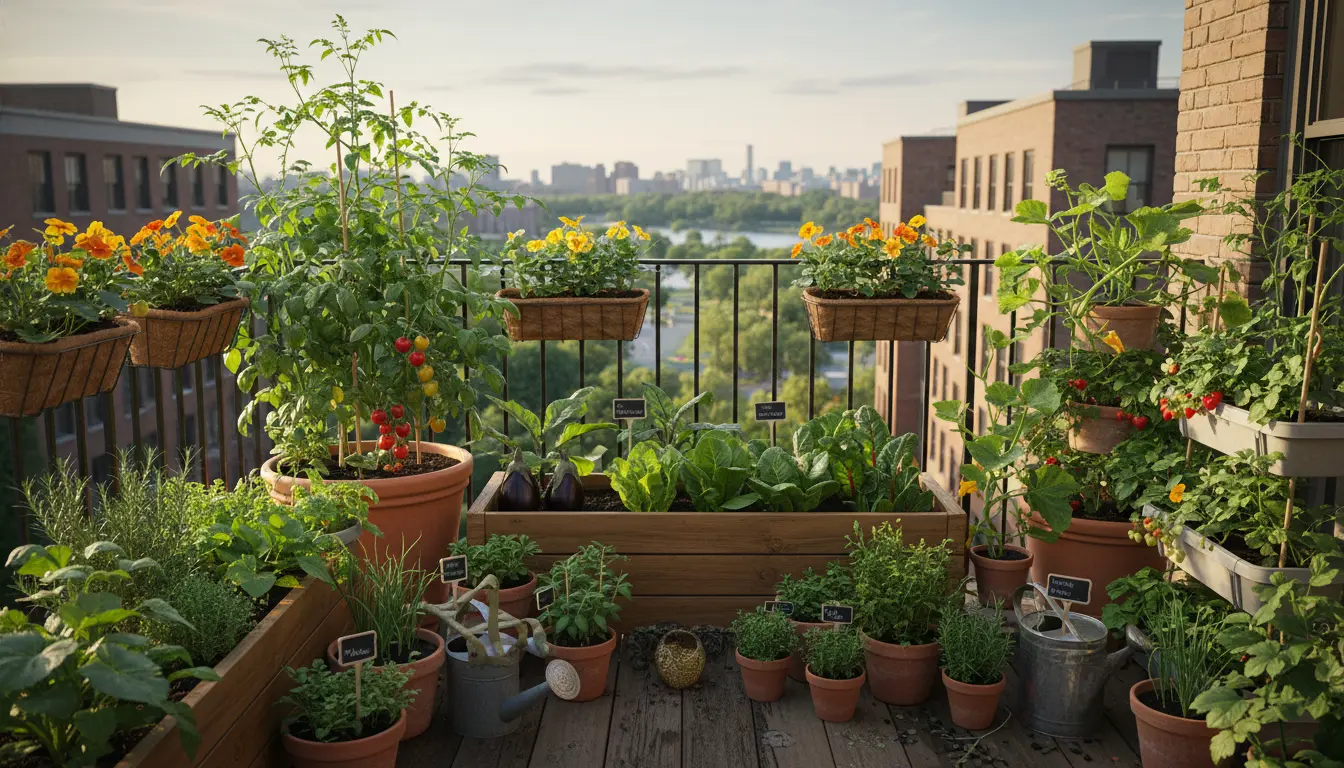
Why a Small Vegetable Garden Works
A small vegetable garden is ideal for beginners, apartment dwellers, and anyone with limited outdoor space. It delivers fresh produce without the time and space demands of a large plot.
This guide gives clear, practical steps to plan, plant, and maintain a productive small vegetable garden.
Planning Your Small Vegetable Garden
Choose the Right Location for a Small Vegetable Garden
Pick a spot that gets at least 6 hours of sunlight for most vegetables. South- or west-facing balconies and yards usually work best.
Also consider wind, access to water, and how you will carry soil or containers to the spot.
Select Vegetables for Small Spaces
Choose compact and fast-growing varieties suited to containers or small beds. Think about your climate and what you eat most.
- Leafy greens: lettuce, spinach, arugula
- Herbs: basil, parsley, cilantro
- Compact fruiting plants: cherry tomatoes, dwarf peppers
- Root crops in deep containers: radishes, carrots
Soil and Containers for a Small Vegetable Garden
Prepare Soil or Potting Mix
Use a light, well-draining potting mix rather than heavy garden soil for containers. Add compost to improve fertility and moisture retention.
A basic mix: 60% peat or coco coir, 30% perlite or coarse sand, 10% compost.
Container Options for a Small Vegetable Garden
Containers let you grow a small vegetable garden anywhere: balcony, rooftop, patio, or a small yard. Choose sizes that suit the plant’s root system.
- Herbs: 6–8 inch pots
- Lettuce and greens: 8–12 inch containers
- Tomatoes and peppers: 12–18 inch deep pots or grow bags
Planting and Spacing in a Small Vegetable Garden
Plant at the Right Time
Check local frost dates and start seeds indoors if needed. Transplant seedlings after hardening them off for a week.
Follow seed packet spacing but reduce a bit in containers; consider succession planting to maximize harvests.
Use Vertical Space
Use trellises, cages, and hanging planters to grow more without using extra floor area. Vining beans and cucumbers do well when trained upward.
Watering, Fertilizing, and Maintenance
Small container gardens dry out faster than ground beds. Water regularly—most containers need daily checks in hot weather.
Fertilize with a balanced liquid fertilizer every 2–3 weeks or use slow-release granules at planting time.
- Water deeply to wet the whole root zone.
- Mulch container tops with straw or shredded bark to slow evaporation.
- Pinch back herbs like basil to encourage bushier growth.
Pest Management in a Small Vegetable Garden
Monitor plants weekly for pests and diseases. Early detection keeps problems small and easy to manage.
Use these practical controls:
- Handpick large pests like slugs or caterpillars.
- Rinse plants with a spray of water to remove aphids.
- Apply insecticidal soap or neem oil when needed and safe for edible plants.
Harvesting and Extending the Season
Harvest frequently to encourage more production. Leafy greens can be cut-and-come-again; pick tomatoes when fully colored for best flavor.
Extend the season with row covers, shade cloths, or small cold frames for early spring and late fall growing.
Container-grown tomatoes can ripen faster than in-ground plants because their roots warm up earlier in the season.
Small Real-World Case Study: Rooftop Balcony Garden
Sarah, a renter in Portland, converted a 6-foot balcony into a small vegetable garden using five containers. She chose a 15-inch pot for a determinate tomato, three 10-inch pots for mixed greens and herbs, and a hanging basket for strawberries.
By using a quality potting mix, watering daily in summer, and fertilizing every three weeks, she harvested salad greens weekly and three rounds of cherry tomatoes that season. Her investment was under $200 and she used fewer pesticides by picking pests by hand early.
Quick Checklist to Start a Small Vegetable Garden
- Pick a sunny location with water access.
- Choose compact vegetable varieties suited to containers.
- Buy or mix a light potting mix with compost.
- Select containers with drainage and the right depth.
- Plan a watering and fertilizing schedule.
- Monitor for pests weekly and act early.
Final Tips for a Successful Small Vegetable Garden
Start small and expand once you learn what works for your space and microclimate. Keep records of planting dates and varieties to improve next season’s choices.
A small vegetable garden is low-risk and high-reward: a few containers can supply fresh herbs and produce all season long.