
Start a vegetable garden: a practical overview
Starting a vegetable garden at home is achievable whether you have a backyard, balcony, or small patio. This guide focuses on simple, actionable steps to get plants growing and producing food within a single season.
Why start a vegetable garden
Growing vegetables saves money, improves diet quality, and gives control over how food is grown. It also teaches seasonal rhythms and can reduce food miles.
For beginners, the key benefits are fresh taste, reduced grocery trips, and the satisfaction of harvesting your own food.
Choose the right spot to start a vegetable garden
Light and access
Most vegetables need 6 to 8 hours of direct sunlight. Observe sun patterns for a few days to confirm the best location.
Choose a spot that is easy to reach for watering and harvesting to reduce maintenance time.
Soil or containers
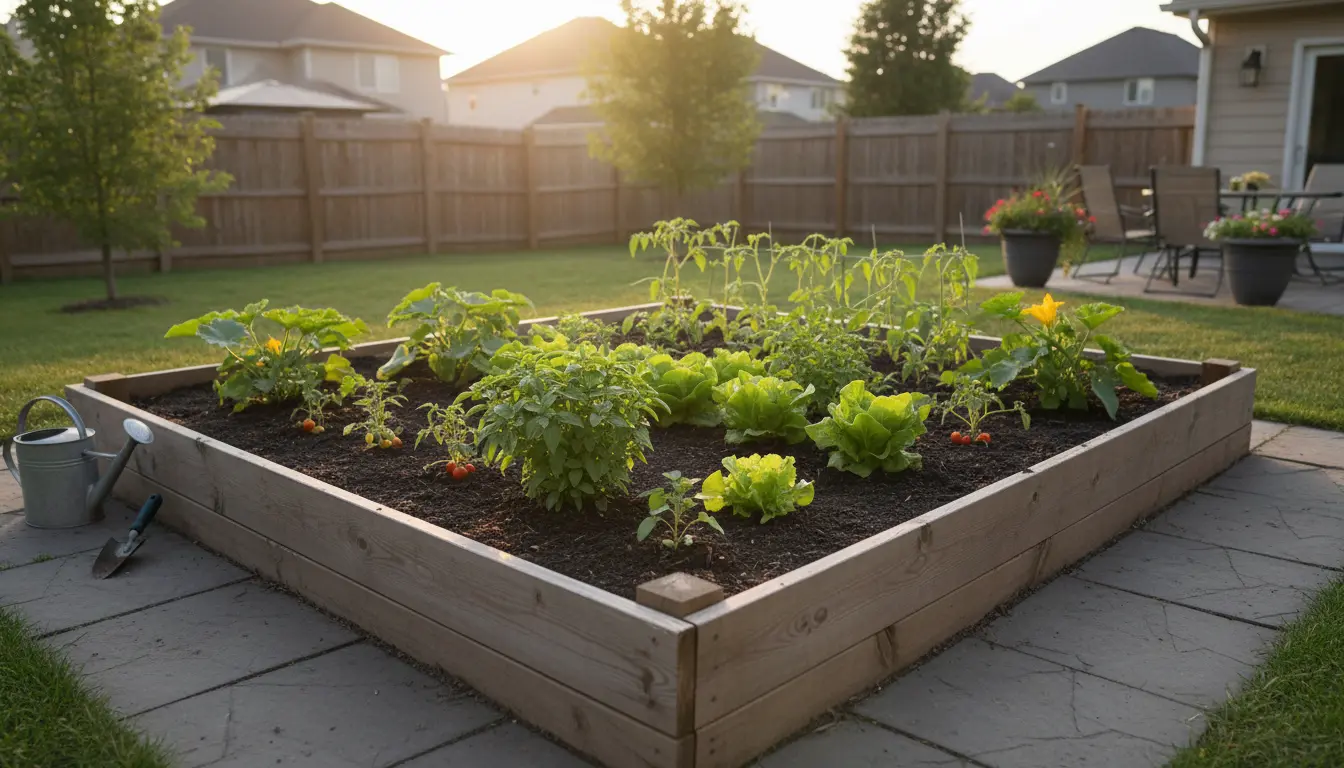
If you have ground space, test or inspect the soil. Raised beds and containers are excellent alternatives when soil quality or space is limited.
- Raised beds: better drainage and easier soil management.
- Containers: ideal for balconies and patios, allow precise soil mixes.
- In-ground: cost-effective if soil is already good and well-drained.
Prepare soil and planting mix
Good soil is the foundation of a productive garden. Aim for loose, fertile soil with organic matter.
Use a basic mix for containers: 40% compost, 40% topsoil, 20% coconut coir or peat-free alternative.
Soil improvement tips
- Add 2 to 3 inches of compost to beds each year.
- Use mulch to retain moisture and suppress weeds.
- Test pH if plants show poor growth; most vegetables prefer pH 6.0 to 7.0.
What to plant first when you start a vegetable garden
Begin with easy, fast-growing crops that give quick results and build confidence.
- Leafy greens: lettuce, spinach, arugula — quick and forgiving.
- Root vegetables: radishes and baby carrots — fast harvests.
- Herbs: basil, parsley, chives — low maintenance and useful in the kitchen.
- Tomatoes and peppers: start from seedlings for a reliable start.
Step-by-step plan to start a vegetable garden
- Pick the location and measure the space you have available.
- Decide on beds or containers and assemble materials.
- Prepare soil or fill containers with quality mix and compost.
- Choose crops suited to your climate and season; check frost dates.
- Plant seeds or seedlings according to spacing recommendations.
- Mulch, water deeply, and add supports for vining plants.
- Monitor growth, remove weeds, and harvest regularly.
Timing and seasons
Check your local last frost date and plant cool-season crops earlier and warm-season crops like tomatoes after the danger of frost has passed.
Maintenance: water, feed, and pruning
Consistent care ensures steady yields. Focus on watering, feeding, and removing problems quickly.
- Water deeply once or twice a week rather than daily shallow watering.
- Fertilize lightly with balanced organic fertilizer every 4 to 6 weeks during the growing season.
- Prune leggy growth and remove damaged leaves to improve airflow.
Pest and disease basics
Preventive measures are more effective than reactive ones. Keep plants healthy, rotate crops, and use barriers when needed.
- Handpick large pests like caterpillars and slugs.
- Use row covers for seedlings to protect from insects and birds.
- Apply organic soap sprays for minor infestations; consult local extension services for severe issues.
Some vegetables, like radishes and lettuce, can be harvested as baby greens within 3 to 4 weeks. Succession planting every 2 weeks keeps your harvest continuous.
Harvesting and storing produce
Harvest regularly to encourage more production. Pick vegetables when ripe and use or preserve them quickly for best flavor.
Simple preservation methods include refrigeration, blanching and freezing, pickling, and drying herbs.
Small real-world case study
Case: A small balcony gardener in Portland converted two 24-inch containers and a 4×2-foot raised bed. They planted lettuce, cherry tomatoes, basil, and radishes.
In the first season they harvested salad greens weekly and six pints of cherry tomatoes. The entire setup cost about $120 and reduced weekly produce purchases by roughly $10 to $15 during the summer months.
Lessons learned: choose compact varieties, protect seedlings from wind, and use vertical supports to maximize space.
Simple checklist before you start a vegetable garden
- Confirm sunlight and space availability.
- Decide between beds or containers.
- Prepare soil or buy quality potting mix and compost.
- Choose easy crops for your season.
- Set up watering and supports before planting.
Conclusion: getting started and staying consistent
To start a vegetable garden at home, pick a manageable space, improve your soil, and plant easy crops. Regular care and small, steady actions lead to reliable harvests.
Begin with a single bed or a few containers, learn from the first season, and expand as your confidence grows.