
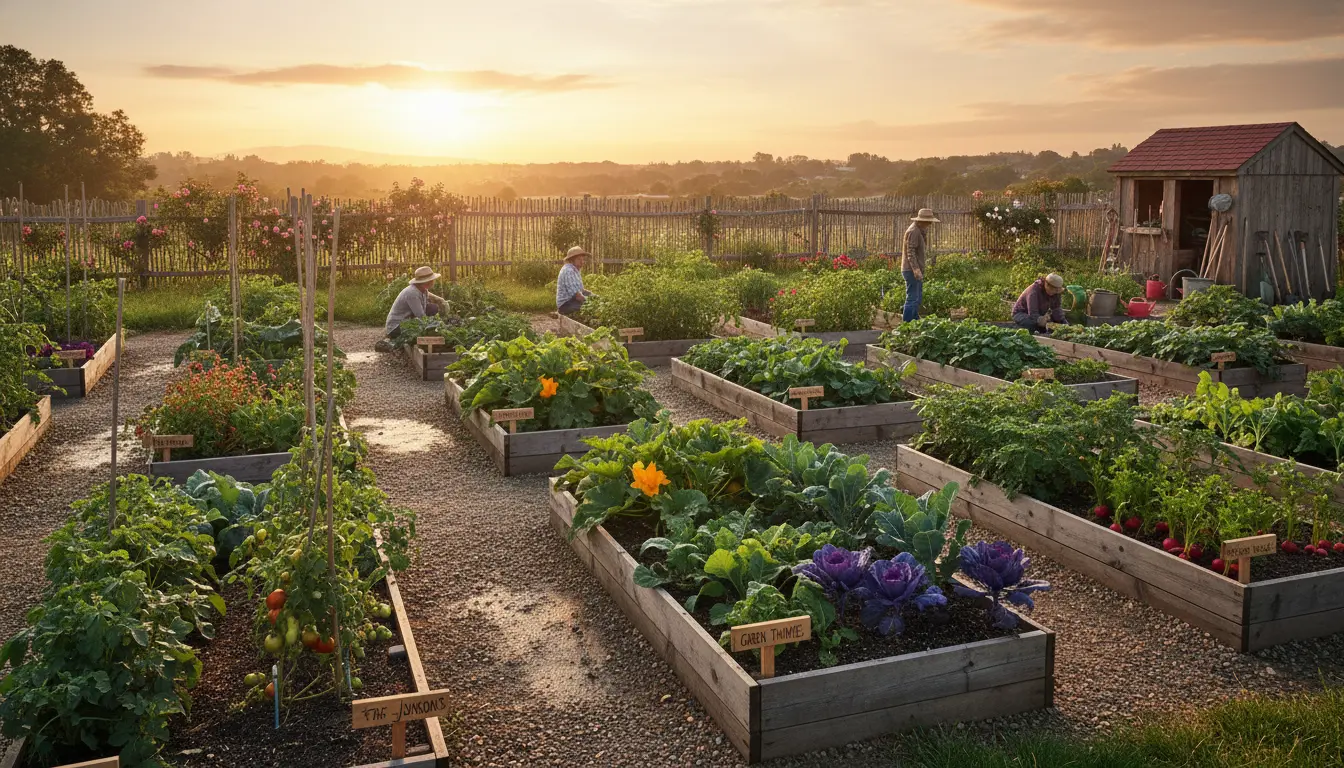
How to Start a Vegetable Garden: Overview
Starting a vegetable garden is a practical way to grow fresh food, save money, and enjoy outdoor time. This guide walks you through straightforward steps to plan, prepare, plant, and maintain a productive garden.
Choose Where to Start a Vegetable Garden
Pick a location that gets at least six hours of direct sunlight a day. Vegetables need sun to produce fruit and leaves, so observe your yard across a typical day before deciding.
Consider proximity to water and ease of access. A garden close to the house makes watering and harvesting easier, and reduces the chance of neglect.
Good site features for starting a vegetable garden
- Full sun for most of the day
- Flat or gently sloped ground for easier planting
- Good drainage to prevent waterlogging
- Near a water source and the kitchen for convenience
Decide Garden Type and Size
Choose between in-ground rows, raised beds, or containers based on space and budget. Raised beds warm faster in spring and have better drainage, while containers suit patios and balconies.
Start small: a 4×8 foot bed or a few large containers is enough for beginners. Small gardens are simpler to manage and reduce wasted time and resources.
Prepare Soil to Start a Vegetable Garden
Soil quality directly affects plant health. Test the soil pH and nutrient levels if possible. Most vegetables prefer slightly acidic to neutral soil (pH 6.0–7.0).
Improve soil with compost and organic matter. Mix 2–4 inches of compost into the top 6–8 inches of soil to boost fertility and structure.
Soil preparation checklist
- Clear weeds and grass from the planting area
- Loosen soil to a depth of 6–8 inches
- Work in compost or well-rotted manure
- Rake to level and remove rocks
Choose Vegetables and Planting Schedule
Select vegetables suited to your climate and growing season length. For rapid wins, try tomatoes, lettuce, radishes, beans, and zucchini. These are forgiving and productive.
Check your local frost dates and use them to plan when to sow seeds or transplant seedlings. Use direct sowing for root crops and quick greens, and seedlings for long-season crops like tomatoes.
Easy starter vegetables
- Leafy greens: lettuce, spinach, Swiss chard
- Root crops: radishes, carrots, beets
- Warm-season: tomatoes, peppers, cucumbers
- Quick legumes: bush beans
Planting and Spacing
Follow seed packet or plant tag spacing to avoid crowded crops. Proper spacing reduces disease and ensures airflow and light reach each plant.
Use succession planting to maximize yield: plant quick-maturing crops like radishes or lettuce in between slower growers to harvest earlier and replant.
Watering and Mulching When You Start a Vegetable Garden
Water consistently, aiming for deep, infrequent watering rather than light, frequent sprays. Deep watering encourages strong root systems.
Apply a 2–3 inch layer of organic mulch around plants. Mulch retains moisture, suppresses weeds, and moderates soil temperature.
Pest, Disease, and Weed Management
Use integrated strategies: manual removal, proper spacing, crop rotation, and beneficial insects. Avoid broad-spectrum pesticides early; they can kill helpful predators.
Inspect plants weekly to catch issues early. Remove diseased leaves and control slugs, caterpillars, and beetles promptly.
Quick pest control tips
- Handpick large pests the morning they are active
- Use row covers to protect seedlings from insects
- Encourage pollinators with companion flowers
Tomato plants can produce fruit in about 60–85 days depending on the variety. Choosing early-maturing varieties helps when you have a short growing season.
Harvesting and Ongoing Care
Harvest regularly to encourage more production. Pick leafy greens when young for better flavor, and harvest tomatoes when they are fully colored and slightly soft.
Rotate crops each season when possible. Planting different families of vegetables in the same spot helps reduce disease buildup and nutrient depletion.
Small Real-World Case Study
Case study: A suburban renter started a 4×8 raised bed in spring and followed these steps. They planted lettuce, radishes, tomatoes, and bush beans.
By midsummer they were harvesting weekly salads and a steady supply of beans. Simple soil amendment, consistent watering, and weekly checks kept pests low. The garden paid for itself in reduced grocery trips by August.
Common Beginner Mistakes and How to Avoid Them
- Planting too much at once: Start small and expand after success.
- Overwatering: Check soil moisture before adding water; wet, compacted soil harms roots.
- Ignoring soil fertility: Regularly add compost and use balanced fertilizers if needed.
Final Practical Checklist to Start a Vegetable Garden
- Choose a sunny site near water
- Decide garden type and start small
- Test and amend soil with compost
- Select easy vegetables and check frost dates
- Plant with correct spacing and mulch
- Water deeply and monitor pests weekly
- Harvest regularly and rotate crops annually
Following these practical steps will help you start a vegetable garden that produces food and enjoyment. Begin with one bed or a few containers, learn from each season, and expand as you gain confidence.