
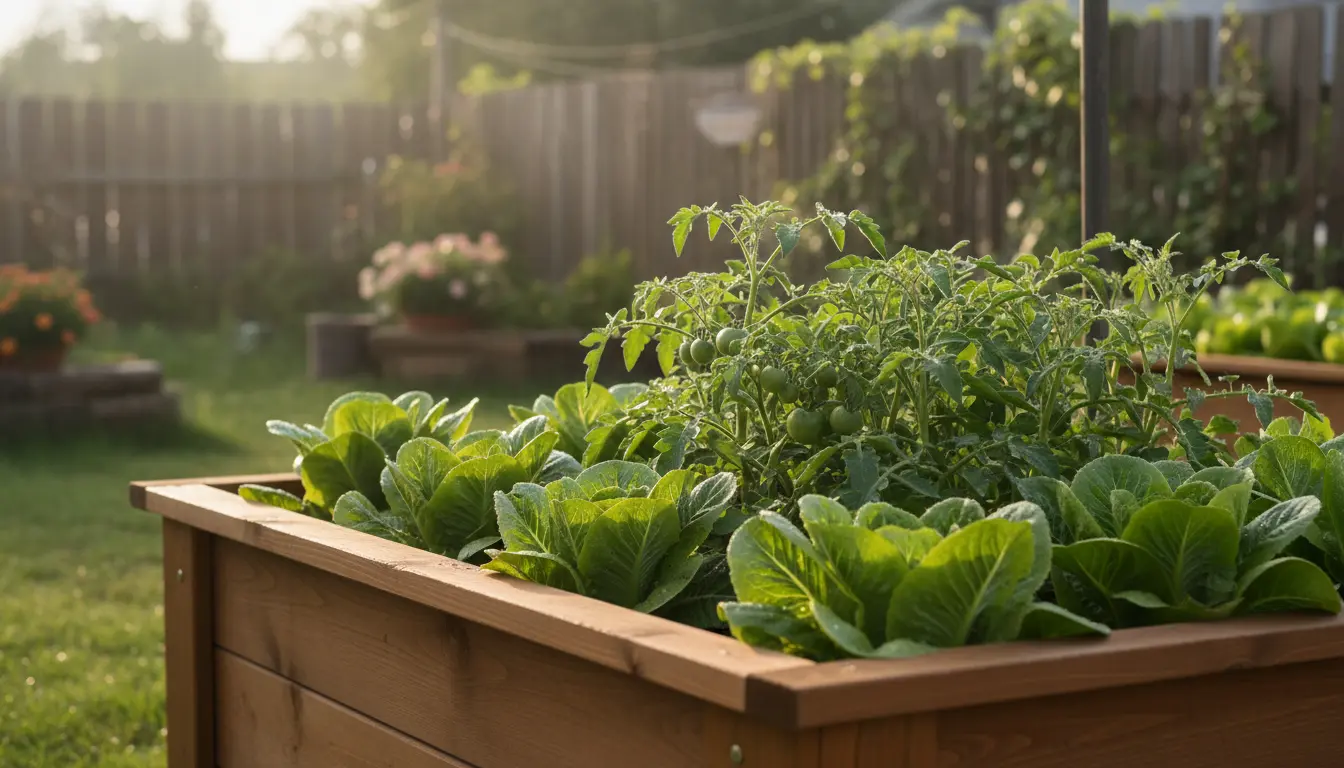
Choose the Best Location for Your Vegetable Garden
Successful vegetable gardening starts with the right spot. Pick a location that gets at least 6 hours of direct sunlight daily for most vegetables.
Consider proximity to water and ease of access. Avoid low spots that collect standing water or areas with heavy tree root competition.
Sun, Soil, and Access
Full sun and well-drained soil are ideal. If sunlight is limited, grow leafy greens and root crops that tolerate partial shade.
Keep the garden close to your kitchen to increase the chances you will tend it regularly.
Prepare Soil and Planting Beds
Good soil is the foundation of a productive vegetable garden. Test the soil pH and texture; most vegetables prefer pH 6.0–7.0.
Improve heavy clay or sandy soils by adding compost and organic matter. Raised beds are a simple way to control soil quality and drainage.
Soil Preparation Steps
- Clear grass and weeds from the bed.
- Work in 2–4 inches of compost or well-rotted manure.
- Till or fork the top 8–12 inches to loosen soil for root growth.
- Level the bed and form gentle rows or mounds if needed.
Select Vegetables and Plan Your Layout
Choose crops that match your climate, season, and kitchen needs. Start with easy, high-yield vegetables like tomatoes, lettuce, beans, radishes, and zucchini.
Use companion planting and spacing guidelines to avoid crowding and reduce pests.
Simple Layout Tips
- Plant tall crops (tomatoes, corn) on the north side so they don’t shade smaller plants.
- Use rows or square-foot gardening to maximize space.
- Group plants by water needs to simplify irrigation.
Planting: Seeds vs. Seedlings
Decide whether to start from seed or buy seedlings. Seeds are cheaper and offer more variety, while seedlings give a head start on the season.
Follow seed packet dates for sowing depth and spacing. Transplant seedlings when root systems are established and the risk of frost has passed.
Timing and Succession Planting
Stagger plantings every 2–3 weeks to extend harvests. Plant cool-season crops early and warm-season crops after the last frost date.
Watering and Fertilizing
Water deeply and less frequently to encourage strong roots. Aim for 1–1.5 inches of water per week, depending on weather and soil.
Apply a balanced organic fertilizer at planting and side-dress with compost or fertilizer mid-season for heavy feeders like tomatoes and corn.
Efficient Watering Methods
- Drip irrigation or soaker hoses reduce evaporation and wet foliage less.
- Mulch with straw or shredded leaves to retain moisture and suppress weeds.
Pest and Disease Management
Monitor plants weekly for signs of pests or disease. Early intervention prevents small problems from becoming major losses.
Use integrated pest management (IPM): hand-pick pests, use row covers, rotate crops, and encourage beneficial insects.
Common Problems and Quick Fixes
- Aphids: Spray with strong water stream or add insecticidal soap.
- Blight or fungal leaf spots: Remove affected leaves, improve air circulation, and avoid overhead watering.
- Slugs and snails: Use beer traps or copper barriers around beds.
Harvesting and Storing Your Vegetables
Harvest vegetables at peak ripeness for the best flavor and nutrition. Harvesting regularly often encourages more production.
Store produce properly: cool, dry storage for onions and potatoes; refrigeration for leafy greens and herbs.
Did You Know?
One well-tended 10×10 foot vegetable garden can produce hundreds of pounds of food a year, reducing grocery bills and food miles.
Small Real-World Example: Sarah’s Raised Bed Success
Sarah started a 4×8 foot raised bed in a suburban backyard. She used a soil mix of topsoil and compost, planted tomatoes, basil, and leaf lettuce, and installed a soaker hose.
In the first season she harvested tomatoes for six weeks and multiple salad harvests. Key changes after the first year were adding more compost and rotating beans into the bed to improve nitrogen.
Quick Checklist to Start Your Vegetable Garden
- Choose a sunny location near water.
- Test and amend soil; add compost.
- Decide on raised beds or in-ground rows.
- Select easy crops for your climate.
- Plant seeds or seedlings at the right time.
- Water deeply, mulch, and monitor for pests.
- Harvest regularly and store properly.
Final Tips for New Gardeners
Start small and expand as you gain confidence. Keep simple records of planting dates and successes to improve next season.
Join a local gardening group or extension service for region-specific advice and seed-saving tips. Gardening is a practical skill that improves with each season.