
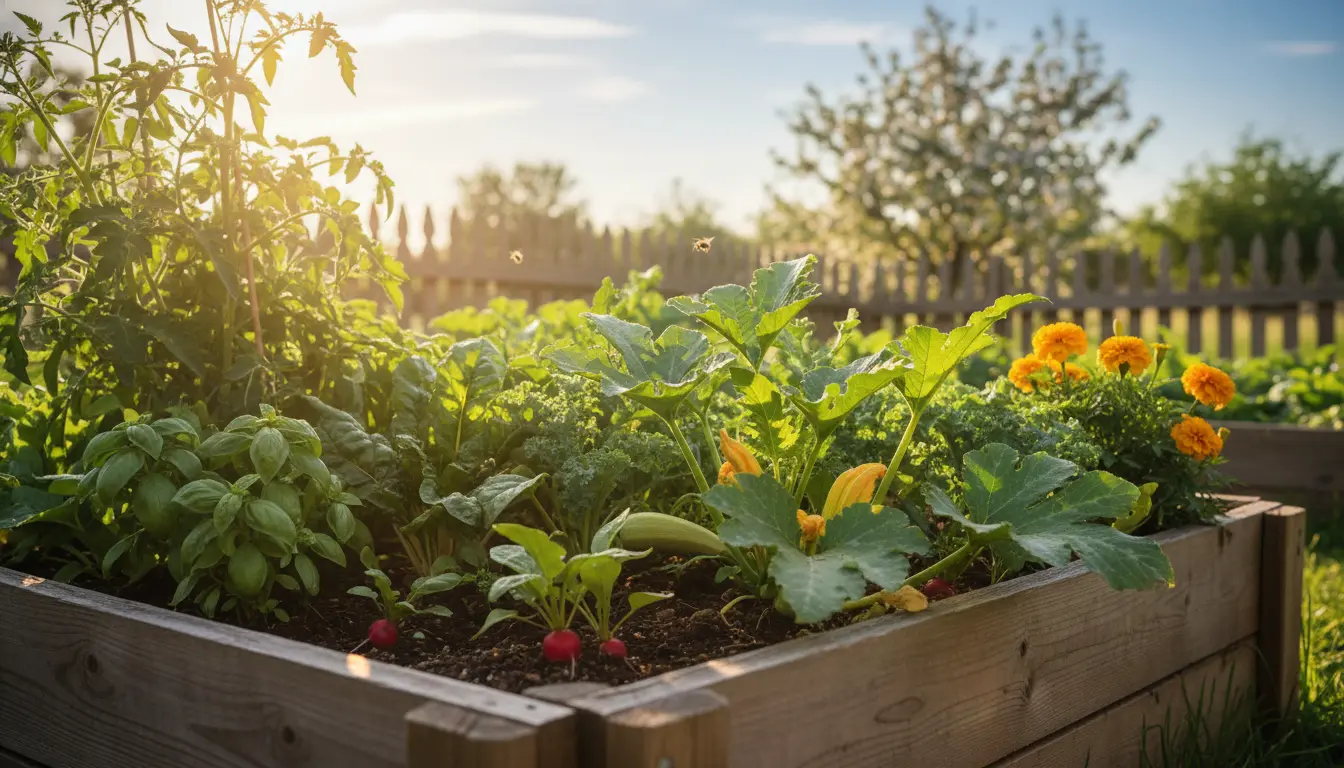
Start Here: What Vegetable Gardening for Beginners Means
Vegetable gardening for beginners focuses on simple, repeatable steps to grow food in small spaces. This approach emphasizes easy crops, correct timing, and basic care to deliver reliable results.
The goal is to reduce overwhelm and build confidence through small successes. Read on for clear, actionable steps you can use in your first season.
Choose the Right Site for Your Garden
Sunlight is the single most important factor. Most vegetables need 6–8 hours of direct sun each day.
Pick a spot with good drainage and easy access to water. If you have limited space, containers or raised beds are excellent options.
Vegetable Gardening for Beginners: Soil and Containers
Good soil supports healthy plants. Aim for loose, well-draining soil with plenty of organic matter.
For containers, use a high-quality potting mix and containers with drainage holes. Avoid using straight garden soil in pots because it compacts.
- Test soil pH if possible; most vegetables prefer pH 6.0–7.0.
- Add compost or well-rotted manure to improve fertility and structure.
- Mix in coarse sand or perlite for heavy soils to improve drainage.
Pick Easy Crops for Your First Season
Start with vegetables known for forgiving growth habits. These crops reduce frustration and help you learn quickly.
- Leafy greens: lettuces, spinach, Swiss chard.
- Root crops: radishes and carrots (choose shorter varieties).
- Quick fruiting: bush beans and cherry tomatoes.
- Herbs: basil, parsley, and chives are low maintenance.
Planning and Timing
Check your local frost dates before planting. Use seed packets and plant tags for spacing and depth guidance.
Sow seeds for cool-season crops in early spring or fall. Warm-season crops go out after the last frost.
Planting, Watering, and Basic Care
Proper planting depth and spacing matter. Overcrowded plants stress and reduce yields.
Water consistently; aim to keep soil evenly moist but not waterlogged. Early morning watering reduces evaporation and disease risk.
- Water deeply 1–2 times per week instead of shallow daily sprinkling.
- Mulch around plants to retain moisture and suppress weeds.
- Fertilize lightly with balanced fertilizer or compost tea every 4–6 weeks.
Vegetable Gardening for Beginners: Pest and Disease Basics
Inspect plants weekly for pests and early signs of disease. Catching problems early keeps them manageable.
Use physical controls first: hand-pick pests, use row covers, and encourage beneficial insects.
- Rotate crops each year to reduce soil-borne diseases.
- Remove diseased leaves and dispose of them away from the bed.
- Use organic controls like insecticidal soap when necessary.
Harvesting and Ongoing Care
Harvest frequently to encourage more production. Many plants give better yields if picked when young and tender.
Keep beds tidy. Remove spent plants and add them to your compost pile to close nutrient loops.
Season Extension Tips
Use row covers, cold frames, or garden fabric to extend your growing season by weeks. These are inexpensive ways to protect young plants.
Plant a second quick crop after early harvests, such as sowing radishes or lettuce into cleared space.
Simple Tools and Costs for Beginners
You do not need expensive gear to start. A few basic tools will cover most beginner needs.
- Hand trowel and fork for planting and weeding.
- Pruning shears for trimming and harvesting.
- Watering can or hose with gentle nozzle.
- Soil test kit (optional but useful).
Small Case Study: Sara’s 10×10 Backyard Bed
Sara planted a 10×10 foot raised bed in spring with tomatoes, bush beans, lettuce, and basil. She used a simple soil mix of compost, topsoil, and peat-free potting mix.
She watered twice weekly and added compost once midseason. Her first season produced regular salad harvests and several tomato meals.
Key wins: choosing space-efficient crops, mulching to conserve water, and harvesting regularly. Sara spent under $150 on materials and saved money on produce during summer.
Common Mistakes and How to Avoid Them
Beginners often overwater, plant too densely, or pick unsuitable varieties. Address these early to avoid frustration.
- Avoid overwatering: check soil moisture before adding water.
- Respect spacing: follow seed packet spacing to reduce disease.
- Choose local-adapted varieties for pests and climate tolerance.
Next Steps: Build Confidence Each Season
Start small, keep records, and expand gradually. A garden notebook with planting dates and notes helps you improve each year.
Join local gardening groups or online forums to ask questions and share experiences. Gardening is practical learning; success builds with practice.
Follow these straightforward steps and you’ll turn a small patch of soil into reliable meals. Vegetable gardening for beginners is about starting simple, learning fast, and enjoying fresh produce.