
Why Home Composting Matters
Home composting turns kitchen scraps and yard waste into a useful soil amendment. It reduces landfill waste and improves soil health for plants.
With a few supplies and basic knowledge, most households can compost effectively, even in small spaces.
Home Composting Basics
Composting relies on a balance of nitrogen-rich materials and carbon-rich materials. Microbes break down organic matter when conditions are right.
Key factors include moisture, aeration, temperature, and particle size. Managing these keeps the process active and odor-free.
What to Compost at Home
- Greens (nitrogen): fruit scraps, vegetable peels, coffee grounds, fresh grass clippings.
- Browns (carbon): dry leaves, shredded paper, cardboard, straw.
- Avoid: meat, dairy, oils, diseased plants, and pet waste to prevent pests and odors.
Choosing a Home Composting Method
Select a method that fits your space and schedule. Each method affects maintenance and speed.
- Cold Composting: Low effort, slower results, good for backyard piles.
- Hot Composting: Faster breakdown, requires turning and monitoring temperature.
- Compost Bin or Tumbler: Contained and tidy; tumblers make turning easy.
- Vermicomposting (worms): Ideal for indoors or apartments; produces rich worm castings.
Step-by-Step Home Composting
Follow these steps to set up a basic backyard or balcony system. Adjust for indoor vermicomposting if needed.
1. Pick a Spot and Container
Choose a well-drained, shady area for outdoor bins. For balconies or kitchens, use a compact bin or worm box.
Ensure easy access for adding materials and turning the pile.
2. Build Your Pile
Start with a 4–6 inch layer of coarse browns for airflow. Alternate green and brown layers to maintain balance.
Aim for a ratio near 2:1 browns to greens by volume. Adjust if the pile is too wet or producing odor.
3. Maintain Moisture and Aeration
Keep compost as damp as a wrung-out sponge. Add water during dry spells and add browns if too wet.
Turn the pile every 1–2 weeks for hot composting to introduce oxygen and speed decomposition.
4. Troubleshoot Common Problems
- Smelly pile: Add more browns and turn the compost to introduce air.
- Slow breakdown: Chop materials smaller, increase moisture, or add nitrogen-rich greens.
- Fruit flies: Bury food scraps under a layer of browns or use a closed container.
Composting can reduce household waste by up to 30 percent and returns nutrients to soil that support plant growth.
Practical Tips for Small Spaces
Apartment dwellers can still compost effectively with small systems and a bit of routine. Choose vermicomposting or a sealed Bokashi system for minimal odor.
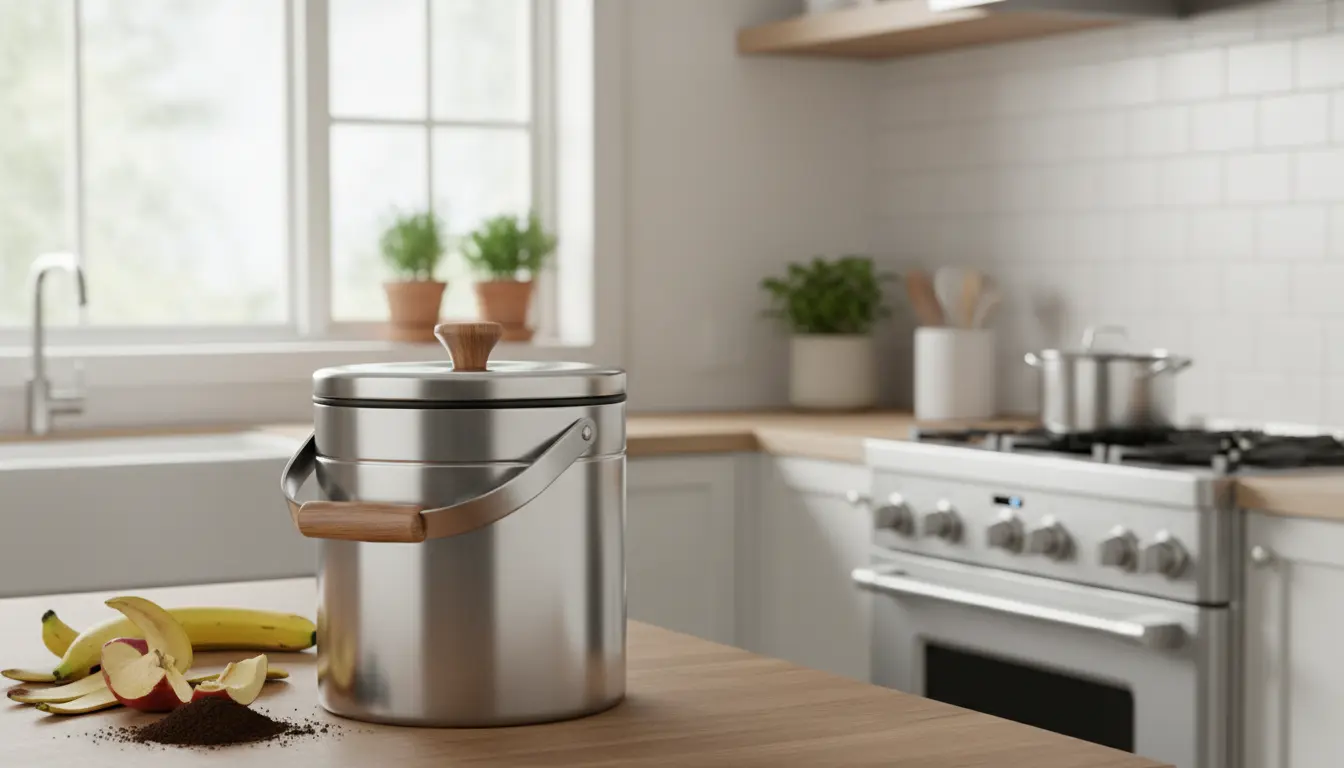
Use a small counter caddy with a tight lid to collect scraps and empty it into your compost container daily.
Tools and Materials You Need
- Compost bin or tumbler, or a worm bin for vermicomposting.
- Garden fork or tumbler handle for turning.
- Shredded paper or dry leaves for browns.
- Kitchen caddy for collecting food scraps.
Small Real-World Case Study
Sarah lives in a two-bedroom apartment and started vermicomposting in a 20-liter worm bin. She used fruit and vegetable scraps and layered shredded cardboard for browns.
In six months Sarah diverted about 200 kg of organic waste from the trash and produced rich castings she mixed into potted plants. Her plants showed better growth and she reduced grocery waste by planning meals.
How to Use Finished Compost
Finished compost is dark, crumbly, and smells earthy. Use it as a soil amendment, top dressing, or potting mix ingredient.
- Mix one part compost to three parts soil for container plants.
- Spread a 1–2 inch layer around garden beds as mulch.
- Use compost tea for a quick nutrient boost to plants.
Quick Checklist to Start Home Composting
- Choose a method: cold pile, hot pile, tumbler, or worms.
- Gather browns and greens and a suitable bin.
- Monitor moisture and aerate regularly.
- Harvest finished compost and apply to plants.
Home composting is a practical way to cut waste and improve soil. Start small, learn by doing, and adapt methods to your space and schedule.