
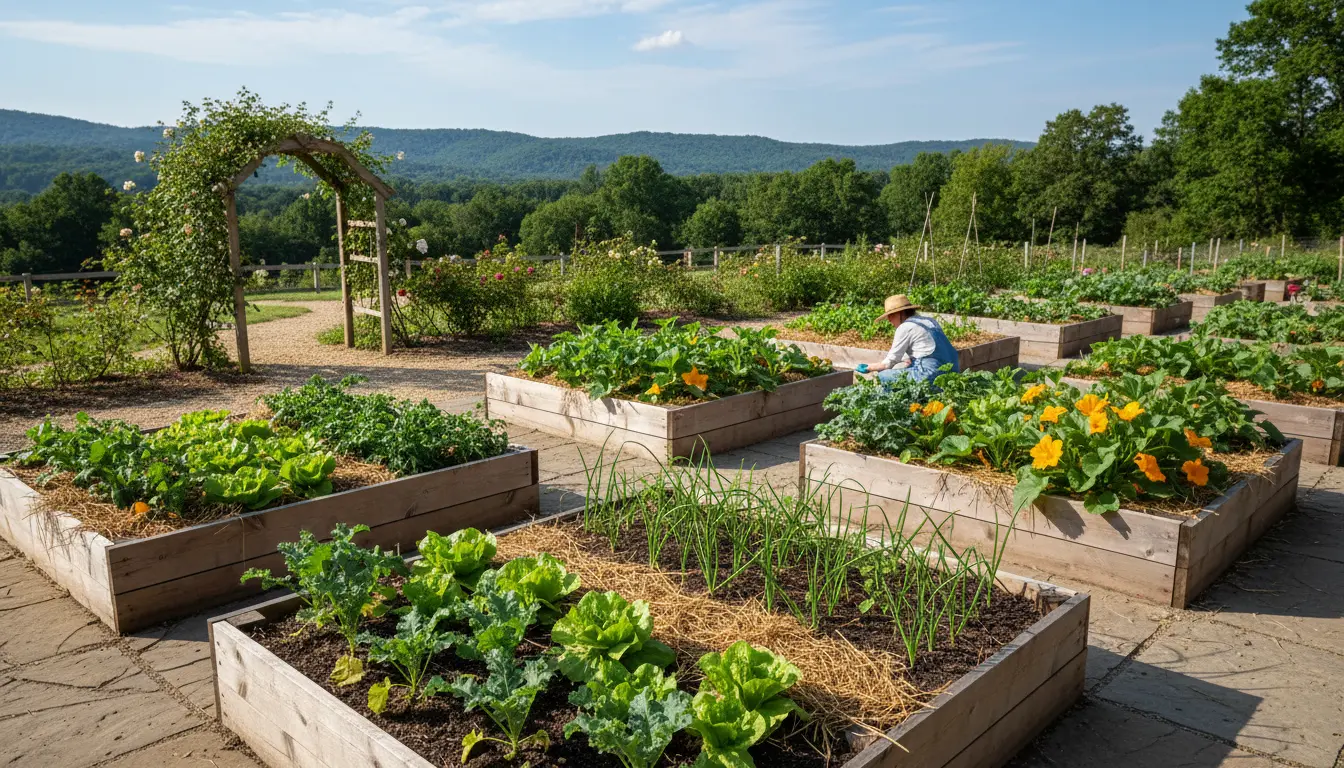
Starting a vegetable garden is a practical way to grow fresh produce, reduce grocery costs, and enjoy outdoor activity. This guide walks you through simple, actionable steps to plan, plant, and maintain a productive vegetable garden at home.
Planning Your Vegetable Garden
Good planning saves time and prevents common beginner mistakes. Decide the size, location, and types of vegetables you want to grow before buying supplies.
Choosing a Location for Your Vegetable Garden
Select a sunny spot that receives at least 6 hours of direct sunlight daily. Most vegetables need full sun to develop healthy foliage and fruit.
Consider water access and level ground for easier irrigation and soil management.
Deciding Garden Size and Layout
Start small to build experience. A 4×8 foot bed is manageable and productive for one or two people.
Use simple layouts: rows, raised beds, or containers. Choose what matches your space and mobility.
Preparing Soil for a Vegetable Garden
Soil is the foundation of a healthy vegetable garden. Good soil improves plant growth, reduces pests, and boosts yields.
Testing and Amending Soil
Do a basic soil test or use a home kit to check pH and nutrient levels. Most vegetables prefer a pH between 6.0 and 7.0.
Amend heavy clay with compost and coarse sand for drainage. Add organic matter like compost or well-rotted manure to increase fertility.
Building Raised Beds and Containers
Raised beds warm faster in spring and offer better drainage. Fill with a mix of topsoil, compost, and a small amount of coarse sand or perlite.
Containers work well for patios and balconies. Choose pots with drainage holes and a quality potting mix formulated for vegetables.
Selecting Vegetables for Your Garden
Choose vegetables suited to your climate, season, and available space. Focus on easy, high-reward crops for the first season.
- Beginner-friendly vegetables: tomatoes, lettuce, radishes, beans, zucchini, and spinach.
- Fast growers for quick results: radishes and lettuce mature in weeks.
- Space-savers: trellised peas and beans, and vertical tomato varieties.
Planting and Timing Your Vegetable Garden
Planting at the right time ensures seedlings establish before extreme heat or cold. Use your local frost dates as a planting guide.
Starting from Seed vs. Transplants
Seeds are cheaper and offer more variety, while transplants give a head start for longer-season crops like tomatoes and peppers.
Follow packet directions for depth and spacing, and thin seedlings to prevent crowding.
Companion Planting Basics
Companion planting can help deter pests and boost growth. For example, basil near tomatoes may improve flavor and repel pests.
Avoid crowding incompatible plants; research basic pairings before planting.
Watering, Feeding, and Ongoing Care
Consistent watering and basic feeding keep plants productive. Most vegetables need about 1 inch of water per week, more in hot weather.
- Water deeply at the base to encourage strong root systems.
- Mulch to retain moisture and suppress weeds.
- Feed with balanced organic fertilizer or compost tea during the growing season.
Monitor for pests and diseases early. Handpick pests, use row covers, or apply organic controls when necessary.
Harvesting and Season Extension for Your Vegetable Garden
Harvest crops at peak ripeness for best flavor and continued production. Regular harvesting often encourages more fruiting.
Use row covers, cold frames, or a simple cloche to extend the season in spring and fall.
Homegrown tomatoes can have up to 2–3 times more vitamin C and flavor than store-bought varieties picked early for transport.
Simple Troubleshooting for Vegetable Garden Problems
Common issues include yellowing leaves, stunted growth, and pests. Check soil moisture and signs of nutrient deficiency first.
- Yellow leaves: test soil for nitrogen and adjust with compost or a mild fertilizer.
- Wilting: check for root rot from overwatering or lack of water during heat.
- Pests: identify the pest before choosing a control method; many can be managed manually.
Case Study: Small Space Success in a Vegetable Garden
Sarah converted a 6-foot patio into a productive vegetable garden using containers and vertical supports. She planted tomatoes, bush beans, lettuce, and herbs in pots and used a trellis for pole beans.
In her first season she harvested continuous lettuce and tomatoes enough to share with neighbors. Her keys to success were consistent watering, regular feeding, and choosing compact varieties suited to containers.
Next Steps for Your Vegetable Garden
Start with a simple plan, prepare healthy soil, and choose easy crops. Keep notes on planting dates and performance to improve each season.
With modest effort, a small vegetable garden can provide fresh food and hands-on learning year after year.
Quick starter checklist:
- Pick a sunny location and measure the space.
- Test soil or choose raised beds/containers.
- Select 3–5 beginner vegetables and plant at the right time.
- Water deeply, mulch, and feed lightly during growth.
- Harvest regularly and keep a garden journal.