
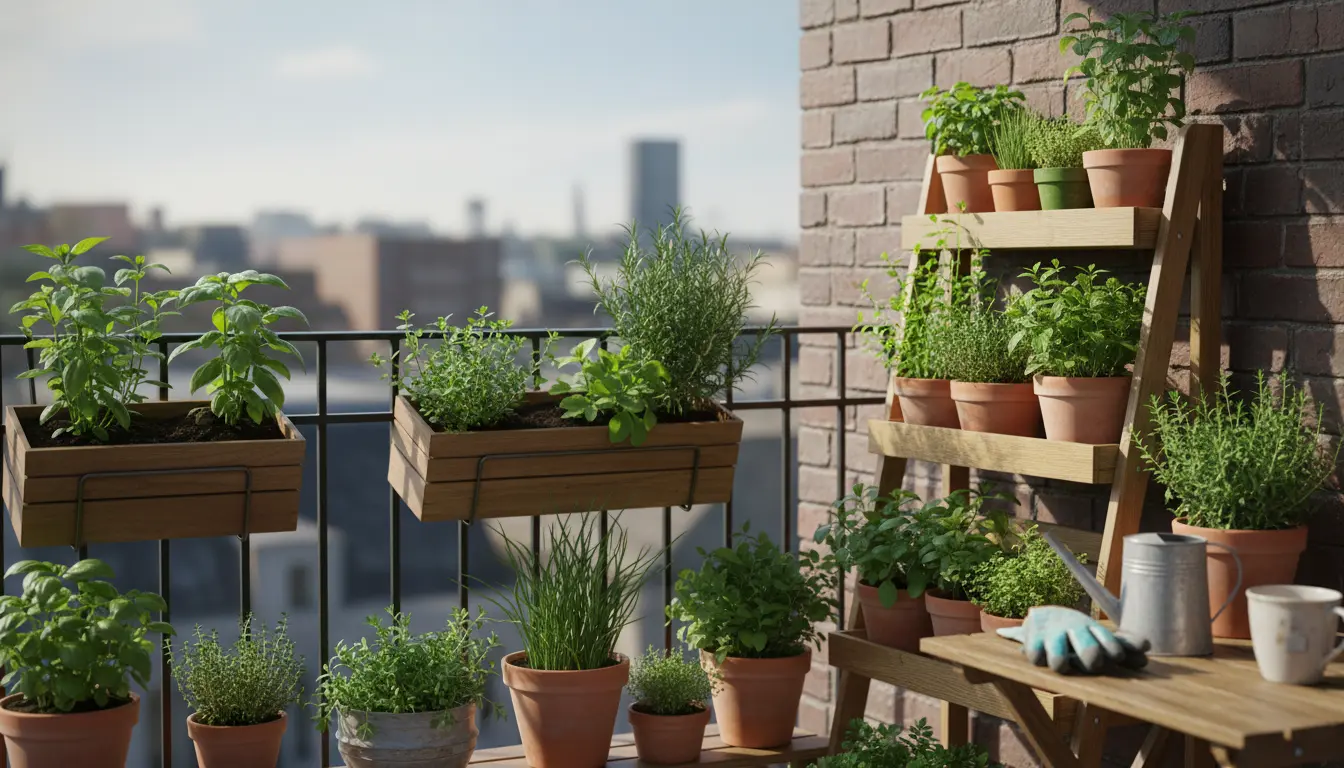
Starting an herb garden at home is a practical way to add fresh flavors to meals and learn basic gardening skills. This guide breaks down the steps into clear actions you can complete in a weekend.
Choose Where to Start an Herb Garden at Home
First, assess light and space in your home. Most culinary herbs need at least 4–6 hours of direct sunlight, so pick a sunny windowsill, balcony, or small patio.
Consider mobility and access when choosing location. Containers on wheels or a small shelf make it easy to move plants for light or weather changes.
Indoor vs Outdoor Considerations for an Herb Garden at Home
Indoor herb gardens benefit from temperature control but may need supplemental light. Use south- or west-facing windows when possible.
Outdoor herb gardens can grow larger and support more varieties but need frost protection in cooler climates. Consider seasonal shifts when planning.
Select Herbs to Start an Herb Garden at Home
Begin with easy, reliable herbs suited to your cooking and climate. Classic starter herbs include basil, mint, rosemary, thyme, and parsley.
- Basil: Warmth and sun; great in pots.
- Mint: Vigorous grower; best in a separate pot to avoid spreading.
- Rosemary: Likes well-drained soil and moderate watering.
- Thyme: Drought tolerant and compact.
- Parsley: Prefers partial sun and regular moisture.
Prepare Soil and Containers for an Herb Garden at Home
Good drainage is essential. Use pots with drainage holes and a light potting mix designed for herbs or vegetables.
Mix a basic container soil: two parts quality potting mix, one part perlite or coarse sand for drainage. Avoid using garden soil alone in containers.
Container Size and Material
Choose containers based on mature plant size. Small herbs can live in 6–8 inch pots, while rosemary benefits from a 12 inch pot or larger.
Terracotta pots dry out faster and are good for Mediterranean herbs; plastic retains moisture longer. Match the pot to your watering routine and the herb’s needs.
Planting and Watering Tips for an Herb Garden at Home
Plant seedlings at the same depth they were in their original pots and firm the soil gently. Space multiple plants to allow airflow and growth.
Water based on soil moisture, not a fixed schedule. Stick a finger an inch into the soil; water when it feels dry at that depth. Most herbs prefer moderate but consistent moisture.
Fertilizing and Pruning
Fertilize lightly every 4–6 weeks with a balanced, water-soluble fertilizer during the growing season. Over-fertilizing can reduce flavor intensity in herbs like basil and thyme.
Regular pruning encourages bushier growth. Harvest by cutting stems above a pair of leaves, which promotes branching and continued production.
Pest and Disease Basics for an Herb Garden at Home
Common pests include aphids, spider mites, and whiteflies. Inspect plants weekly and remove pests by hand or with a gentle spray of water.
Prevent fungal issues by avoiding overhead watering and ensuring good air circulation. Remove any yellowing or diseased leaves promptly.
Harvesting and Using Herbs from an Herb Garden at Home
Harvest herbs in the morning after dew dries for best flavor. Pick leaves or stems as needed, and never remove more than one-third of the plant at once.
Preserve excess harvest by drying, freezing in ice cube trays with water or oil, or making pestos and herb salts.
Many herbs produce more essential oils and better flavor when slightly stressed by dry conditions, so avoid overwatering for stronger taste.
Simple Maintenance Routine for an Herb Garden at Home
Follow a weekly check: water if the top inch is dry, inspect for pests, harvest lightly, and rotate containers for even light exposure.
Repot annually or when roots circle the pot to refresh soil and encourage healthy growth.
Practical Example: A Small Case Study
Case study: A one-bedroom apartment in Portland used a south-facing bay window to grow basil, parsley, and mint in three 8-inch pots. The gardener followed a twice-weekly watering plan and pruned basil twice a month.
Within eight weeks the gardener had enough basil for weekly pesto, parsley for salads, and manageable mint that was kept isolated to a single container. Yield improved after switching to a light potting mix with added perlite.
Quick Checklist to Start an Herb Garden at Home
- Pick a sunny spot (4–6 hours light).
- Choose 3–5 easy herbs to begin with.
- Use pots with drainage and a light potting mix.
- Water when the top inch of soil is dry.
- Fertilize lightly every 4–6 weeks.
- Prune regularly to encourage growth.
Starting an herb garden at home is a low-cost, high-reward project that suits beginners and experienced gardeners alike. With the right location, soil, and simple care routine, you can enjoy fresh herbs year-round.