
Why start a small vegetable garden
Starting a small vegetable garden is practical and affordable. It gives fresh produce, reduces grocery trips, and teaches basic plant care.
This guide explains the steps to plan, plant, and maintain a small vegetable garden that fits a balcony, patio, or small backyard. Follow these instructions for reliable results.
Planning your small vegetable garden
Good planning reduces mistakes. Decide on size, container type, and what to grow before you buy soil or seeds.
Choose a location for your small vegetable garden
Pick a sunny spot that gets at least 6 hours of direct sun per day. Most vegetables need full sun to produce well.
Consider access to water, level ground, and wind protection. If ground space is limited, use containers or raised beds.
Select the garden type
- Raised beds: Good soil control and drainage for small spaces.
- Containers: Ideal for balconies and patios; use large pots.
- In-ground rows: Best if you have a small yard and healthy soil.
Soil and preparation for a small vegetable garden
Soil quality determines success. For a small vegetable garden, aim for loose, well-draining, nutrient-rich soil.
Soil mix and amendments
Use a mixture of topsoil, compost, and coarse sand or perlite for drainage in containers. For raised beds, blend local soil with compost and aged manure.
Test soil pH if possible. Most vegetables prefer pH 6.0 to 7.0. Add lime to raise pH or sulfur to lower it based on test results.
Choosing vegetables for a small vegetable garden
Pick plants that suit your space, climate, and skill level. For beginners, choose high-yield, low-maintenance crops.
- Quick and easy: Lettuce, radishes, spinach
- Container-friendly: Cherry tomatoes, peppers, bush beans
- High yield per area: Tomatoes, cucumbers (trellised), zucchini
Planting schedule and spacing
Follow seed packet or plant tag directions for depth and spacing. Overcrowding reduces airflow and increases disease risk.
Stagger plantings every 2–3 weeks for continuous harvests of lettuces and herbs.
Watering and feeding your small vegetable garden
Consistent moisture is more important than frequent shallow watering. Water deeply to encourage strong roots.
- Water in the morning to reduce evaporation and fungal risk.
- Use drip irrigation or a soaker hose for even watering in raised beds.
- Feed with balanced organic fertilizer according to plant needs.
Maintenance: weeding, pruning, and pest control
Regular maintenance keeps plants productive. Remove weeds, check for pests, and prune to improve airflow.
For pest control, use hand-picking, row covers, or organic sprays as first options. Encourage beneficial insects like ladybugs.
Simple weekly checklist for a small vegetable garden
- Inspect plants for pests and disease.
- Water deeply 2–3 times per week depending on weather.
- Harvest ripe produce to encourage more production.
- Remove weeds and add mulch to conserve moisture.
Planting companion plants like basil near tomatoes can improve growth and reduce pests. Companion planting works best when combined with good soil and proper spacing.
Case study: One small raised bed, real results
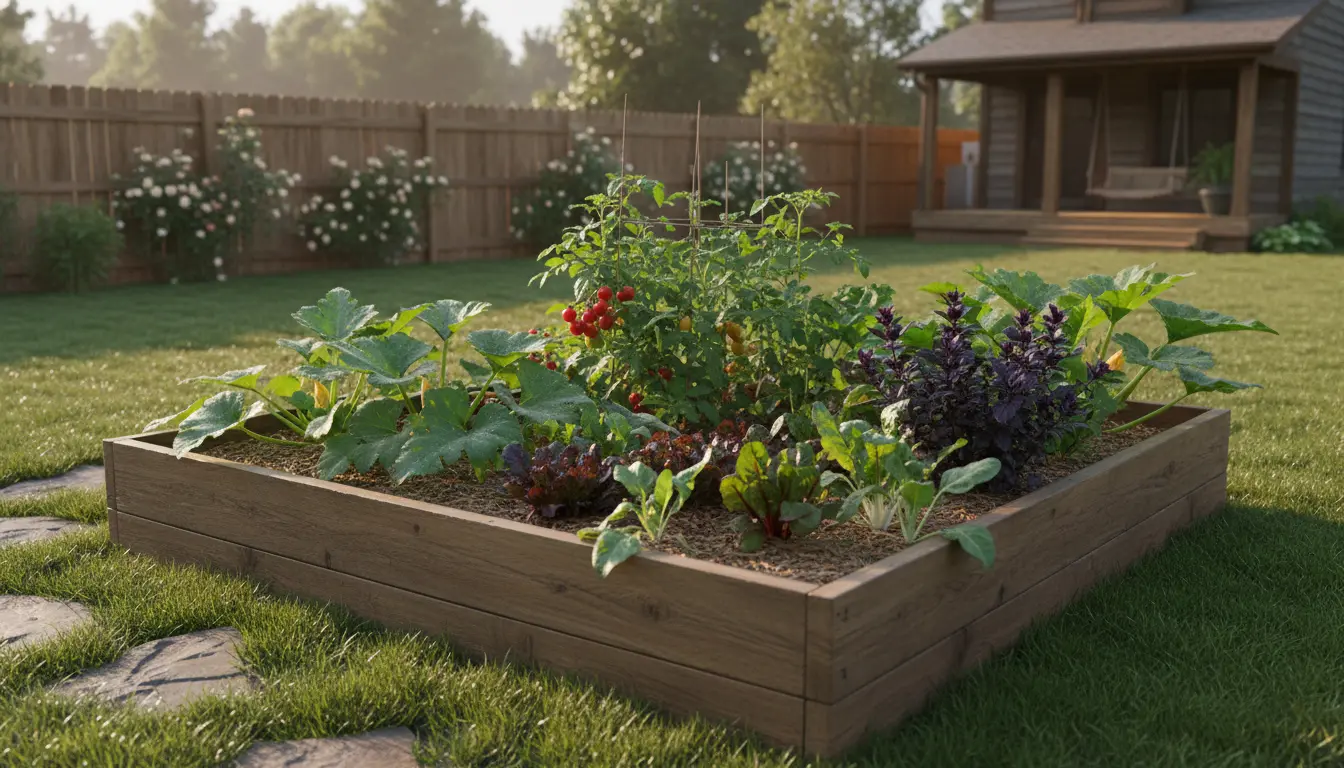
Maria used a 4×4 foot raised bed in a sunny side yard to start a small vegetable garden. She filled it with equal parts compost and topsoil, then planted:
- Two cherry tomato plants (trellised)
- Six lettuce heads in a staggered row
- Four bush pepper plants
- A few basil and parsley plants as companions
In the first season Maria harvested salads weekly, picked peppers two times a week, and harvested tomatoes from week 8 onward. Her total investment was under $150 and she estimates saving over $200 on produce that season.
Common problems and quick solutions
- Yellow leaves: Check for overwatering or nutrient deficiency; test soil and adjust watering.
- Poor fruit set: Ensure full sun and adequate pollinators; hand-pollinate if needed.
- Pest damage: Remove pests by hand or use a mild insecticidal soap for soft-bodied insects.
Final checklist to start a small vegetable garden today
- Pick a sunny location with nearby water access.
- Decide on raised bed or container and prepare soil mix.
- Choose 3–6 easy crops suited to your space and season.
- Plant according to spacing guidelines and water deeply.
- Set a weekly maintenance routine and record results.
Starting a small vegetable garden is manageable and rewarding. With basic planning, good soil, and consistent care you can enjoy fresh homegrown produce even in limited space.