
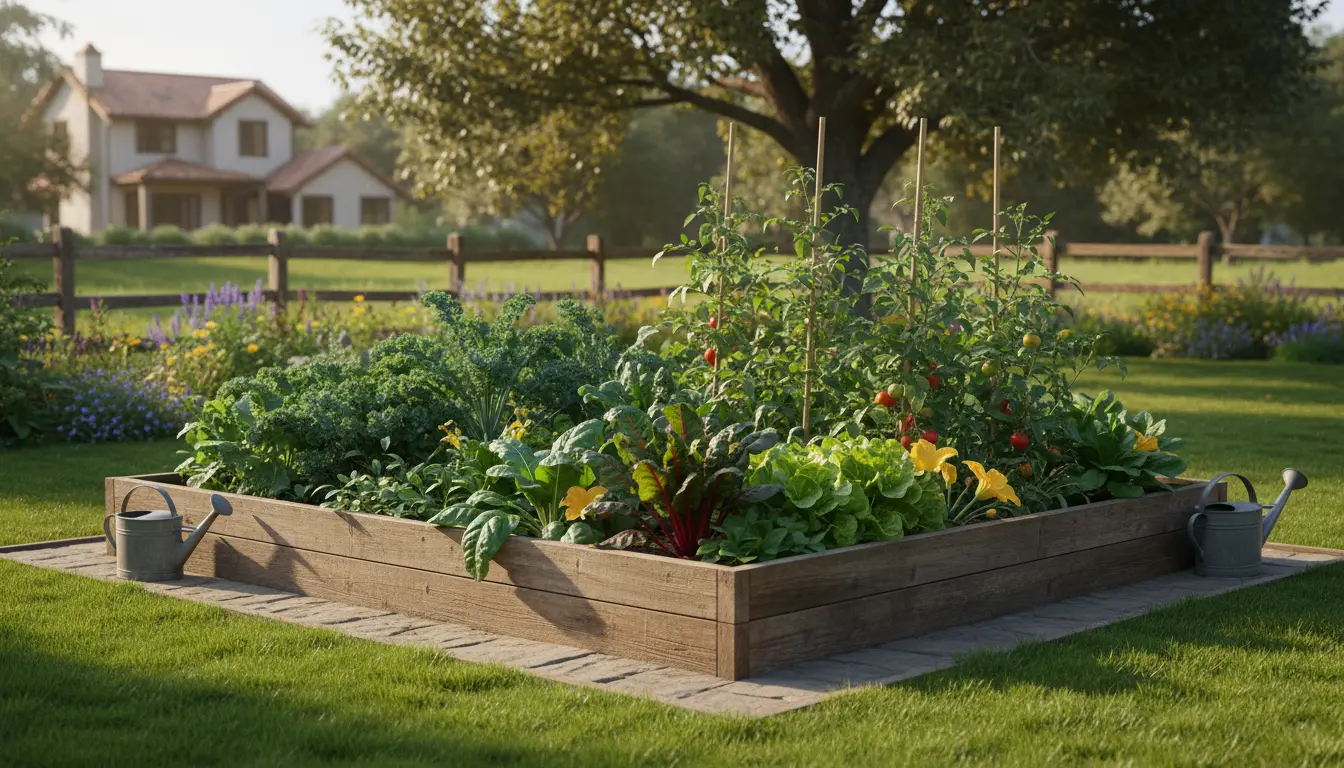
How to Start a Vegetable Garden: First Steps
Starting a vegetable garden is rewarding and practical. This guide walks you through the essential, no-nonsense steps to grow vegetables successfully.
Choose the Right Location for Your Vegetable Garden
Most vegetables need at least 6 hours of direct sun daily. Observe sunlight patterns for a week to find the sunniest spot.
Also consider access to water and convenience. A garden near a hose or rain barrel is easier to maintain than one far from your house.
Sun, Water, and Space for a Vegetable Garden
Place the garden where drainage is good and morning sun hits the plants. Avoid low spots that stay wet after rain.
Measure available space and plan bed sizes you can comfortably reach. For most beginners, a 4×8 foot bed is manageable.
Prepare Soil for a Healthy Vegetable Garden
Soil is the most important factor in a productive vegetable garden. Test your soil pH and texture before planting.
Amend the soil with compost and, if needed, a balanced organic fertilizer. Good soil holds moisture and drains well.
Steps to Improve Garden Soil
- Remove weeds and debris from the planting area.
- Add 2–3 inches of compost on top and work it into the top 6–8 inches of soil.
- If soil is heavy clay, add coarse sand or fine gravel for drainage improvement.
- Mulch after planting to retain moisture and suppress weeds.
Choose Vegetables That Suit Your Vegetable Garden
Select crops that match your climate, season, and available space. Beginners should start with easy, productive varieties.
Good starter vegetables include lettuce, radishes, bush beans, tomatoes, and zucchini.
Planting Schedule and Crop Selection
Use your USDA hardiness zone or local extension recommendations to time planting. Cool-season crops go in early spring or fall.
Warm-season crops like tomatoes and peppers should be planted after the last frost date.
Planting, Watering, and Mulching in Your Vegetable Garden
Plant at the correct depth and spacing for each crop. Crowded plants fuel disease and reduce yields.
Water deeply and less frequently to encourage strong roots. Aim for 1–1.5 inches of water per week, adjusted for rainfall.
Irrigation Tips for a Productive Vegetable Garden
- Use drip irrigation or soaker hoses to deliver water at the base of plants.
- Water early in the morning to reduce evaporation and fungal disease risk.
- Apply 2–3 inches of organic mulch to maintain soil moisture and temperature.
Pest and Disease Management in the Vegetable Garden
Prevent problems with good cultural practices: crop rotation, sanitation, and proper spacing. Early detection is key to control.
Use physical barriers, handpicking, or organic controls like neem oil and insecticidal soap when needed.
Simple Integrated Pest Management (IPM) Steps
- Inspect plants weekly for pests and signs of disease.
- Encourage beneficial insects with flowering herbs and companion plants.
- Remove severely affected plants to prevent spread.
Small-Space and Container Vegetable Garden Options
Not enough yard? Containers and raised beds make vegetable gardening possible on patios and balconies.
Choose large containers (minimum 5 gallons for most vegetables) and use a high-quality potting mix, not plain garden soil.
Best Vegetables for Containers
- Leafy greens (lettuce, spinach)
- Cherry tomatoes and determinate tomato varieties
- Herbs (basil, parsley)
- Peppers and dwarf beans
Compost can improve soil water retention by up to 20 percent and adds slow-release nutrients that benefit vegetables all season.
Simple Maintenance Checklist for Your Vegetable Garden
- Weekly: Check moisture and inspect plants for pests.
- Every 2–4 weeks: Add liquid feed or side-dress with compost for heavy feeders like tomatoes.
- After harvest: Remove plant debris and add compost to beds to prepare for the next crop.
Case Study: A Small Backyard Vegetable Garden Success
Maria transformed a 10×6 foot shaded corner into a productive garden by relocating to a sunnier area and installing two 4×8 raised beds.
She amended the soil with 6 inches of compost and chose tomatoes, bush beans, and lettuces. By the second season, yields increased by 40 percent and maintenance time dropped.
Key actions that helped: moving to better light, improving soil, and using drip irrigation on a timer.
Common Mistakes New Vegetable Gardeners Make
- Planting too densely and skipping thinning
- Using the wrong soil mix for containers
- Ignoring local planting dates and frost risks
Final Tips for a Thriving Vegetable Garden
Start small and expand as you gain confidence. Keep a simple garden journal to note planting dates, varieties, and results.
Regular care and small adjustments each week lead to better yields and a healthier vegetable garden over time.
Use this practical plan to begin growing fresh vegetables that fit your space, time, and climate.