
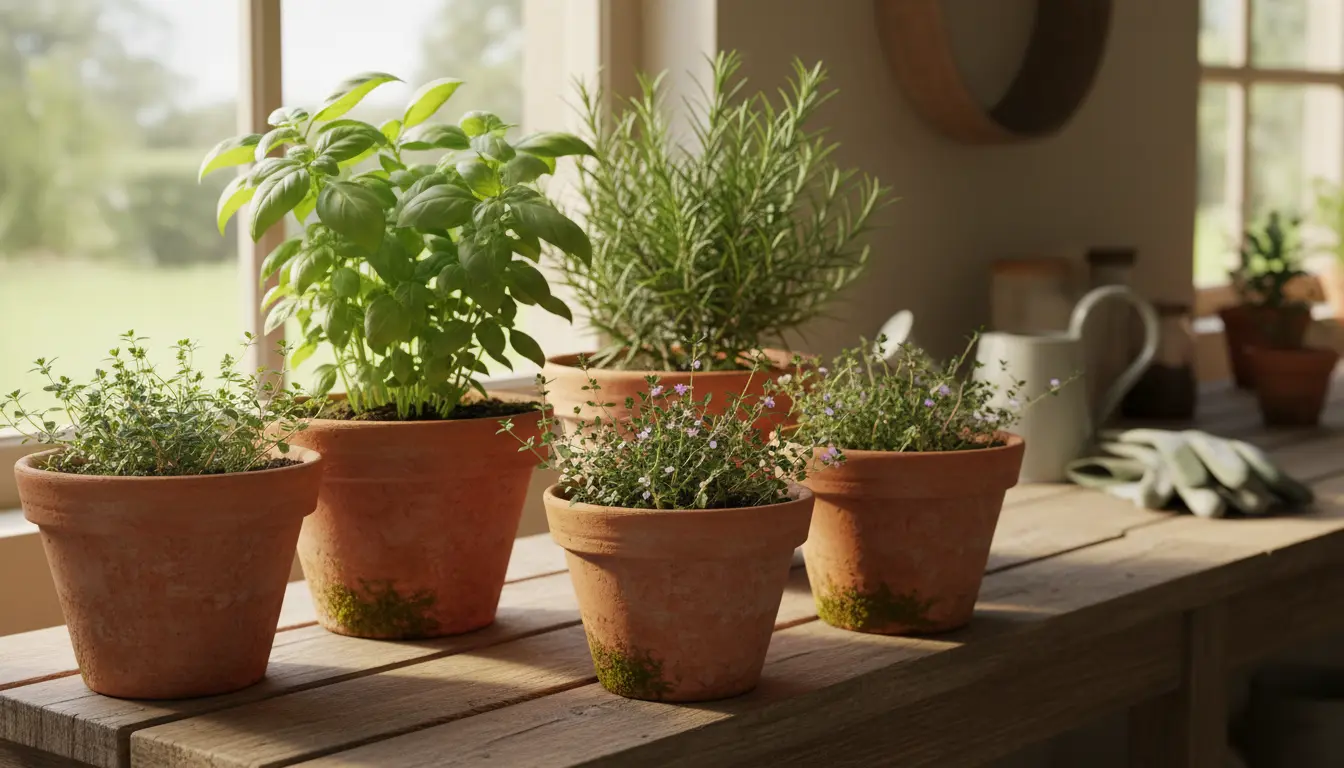
Why Start a Kitchen Garden
Starting a kitchen garden lets you grow fresh herbs, leafy greens, and vegetables at home. It saves money, improves meal flavor, and gives you control over pesticides and freshness.
This guide explains how to start a kitchen garden with clear, practical steps for small spaces or containers.
Plan Your Kitchen Garden
Good planning makes a garden easier to maintain and more productive. Begin by choosing the right location and deciding what you want to grow.
Choose the Best Location
Pick a spot with at least 4–6 hours of sunlight for most vegetables. A south- or west-facing balcony, windowsill, or small yard works well.
Consider convenience: place plants near your kitchen to harvest easily while cooking.
Select What to Grow
Start with easy, high-reward plants: basil, parsley, mint, lettuce, spinach, cherry tomatoes, and peppers. These grow well in containers and respond quickly to care.
List the plants you use most in the kitchen and prioritize those.
Soil, Containers, and Tools
Healthy soil and proper containers are the foundation of a successful kitchen garden. Use quality potting mix and containers with drainage holes.
Best Soil Mix
Use a commercial potting mix labeled for containers or mix your own: equal parts peat-free compost, coarse sand or perlite, and well-rotted compost.
Good soil retains moisture but drains well to prevent root rot.
Choosing Containers
Use containers appropriate to the plant size: 4–6 inch pots for herbs, 12–18 inch for lettuce, and 5-gallon buckets or larger for tomatoes and peppers.
- Material: plastic, ceramic, or fabric grow bags all work; fabric pots improve aeration.
- Drainage: drill holes or use pots with built-in drainage trays.
- Mobility: consider lightweight or wheeled containers for balconies or patios.
Essential Tools
Keep a few basic tools: hand trowel, pruning shears, watering can with a long spout, and a soil moisture meter if desired.
Planting: Seeds vs. Seedlings
Decide whether to start from seeds or buy seedlings. Seeds are cheaper, while seedlings give a head start.
Starting Seeds
Use seed trays or small pots, keep soil moist, and provide consistent light. Most herbs and salad greens germinate in 7–14 days.
Transplanting Seedlings
Acclimate (harden off) seedlings by placing them outdoors a few hours a day for a week before planting in final containers.
Watering and Feeding
Consistent watering and occasional feeding are key. Containers dry faster than garden beds, so check soil often.
Watering Tips
Water when the top 1–2 inches of soil feel dry. Water deeply so roots grow downward, not just at the surface.
Self-watering pots or a simple drip system can reduce daily chores.
Feeding Schedule
Use a balanced liquid fertilizer every 2–4 weeks during the growing season. For leafy greens, use a higher-nitrogen feed; for fruiting plants, use a balanced or slightly higher-phosphorus formula.
Pest and Disease Basics
Small gardens can attract pests like aphids, slugs, and fungal issues. Early detection and simple controls keep problems manageable.
Preventive Steps
- Inspect plants weekly for pests or yellowing leaves.
- Use physical controls: handpick pests, set slug traps, or install sticky traps.
- Encourage beneficial insects like ladybugs by planting flowers such as marigolds or calendula.
Organic Remedies
Sprays made from diluted insecticidal soap or neem oil work against many soft-bodied pests. Always follow label directions.
Harvesting and Seasonal Care
Harvesting frequently encourages new growth. Pick leafy greens early in the morning for best flavor.
When to Harvest
- Leafy greens: harvest outer leaves when 4–6 inches long.
- Herbs: pinch tips regularly to promote bushier growth.
- Tomatoes: harvest when fully colored and slightly firm.
End-of-Season Steps
Clear spent plants, replace some potting mix, and sanitize containers to reduce disease carryover. Save seeds from healthy plants for next season if desired.
Small Real-World Example
Case Study: Jane, an apartment cook, started a 6-pot kitchen garden on a sunny windowsill. She grew basil, parsley, lettuce, chives, cherry tomatoes, and a single pepper plant.
Within six weeks she had weekly harvests of greens and herbs, cut grocery costs, and reported fresher flavors in meals. A small drip bottle system reduced watering time to twice a week.
Quick Start Checklist
- Choose a sunny spot with 4–6 hours of light.
- Select containers with drainage and quality potting mix.
- Start with easy plants: basil, lettuce, parsley, cherry tomatoes.
- Water when top 1–2 inches of soil are dry; fertilize every 2–4 weeks.
- Inspect plants weekly and harvest frequently.
Final Tips to Start a Kitchen Garden Successfully
Start small and expand as you gain confidence. Consistency with watering and a modest feeding schedule will reward you quickly.
Use what you learn each season to improve soil, timing, and plant selection for better yields next year.
With basic planning and steady care, anyone can start a kitchen garden and enjoy fresh, homegrown food year-round.