
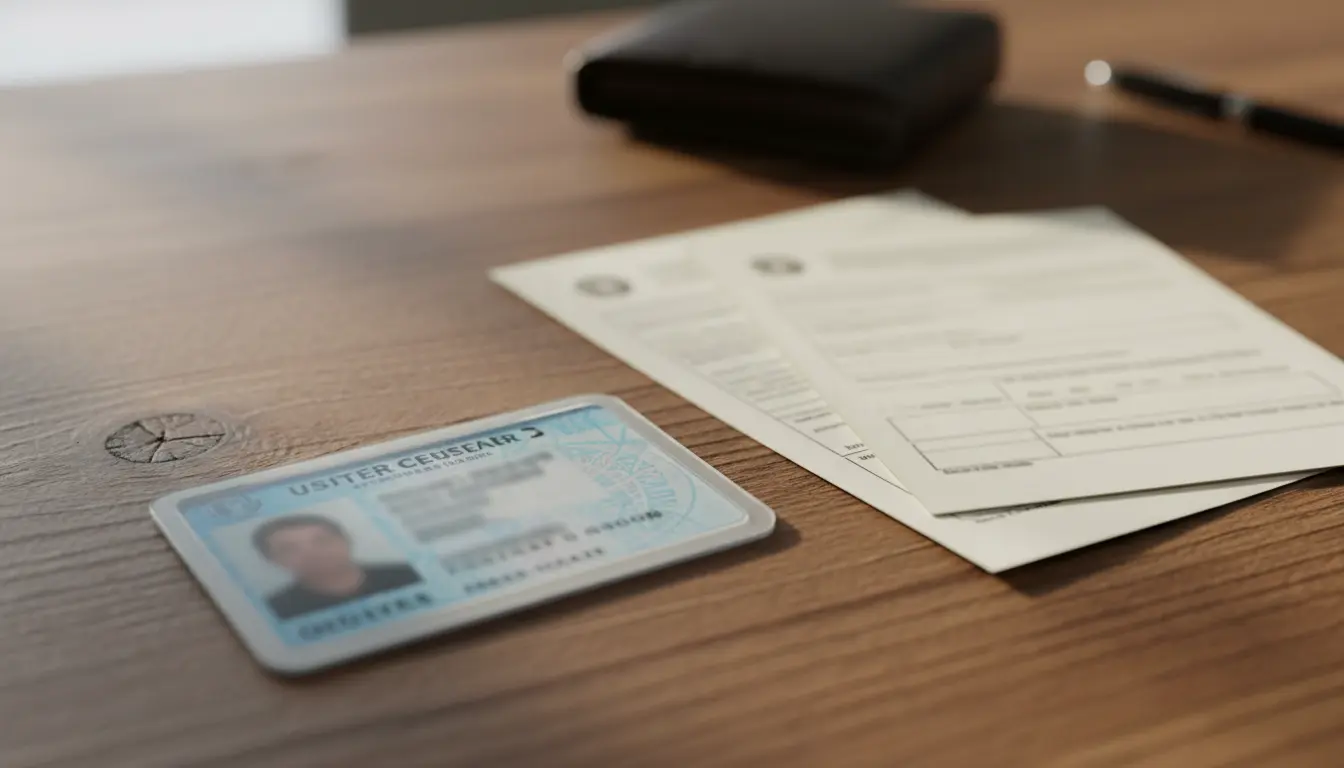
Federal and state agencies will implement a set of licensing updates on February 27, 2026. This article explains the likely changes, practical steps you should take, and how to avoid common problems when you renew or replace a driver license.
What the U.S. Driving License Changes 2026 mean for you
The changes scheduled for February 27, 2026 focus on identity verification, security features, and the availability of digital credentials in some states. Your state DMV will interpret and apply these rules, so exact requirements will vary.
Even if you do not plan to renew your license immediately, it is useful to prepare now. That reduces the risk of last-minute delays, extra visits, or being unable to use your license for travel or official ID.
Key areas affected by the driving license changes 2026
- Stronger identity and residency documentation for new and renewed licenses.
- New card security features (holograms, microprinting, or tamper-resistant elements).
- Expanded acceptance of verified digital driver licenses in participating states.
- Updated processes for organ donor and veteran status notations.
- Potential changes to renewal cycles and proof of lawful presence rules.
Checklist: Documents to bring when you apply or renew
Because state rules differ, always check your state DMV first. Use this checklist as a starting point for most in-person transactions.
- Proof of identity: certified birth certificate, valid passport, or naturalization papers.
- Proof of Social Security: Social Security card or W-2 with full SSN.
- Proof of residency: two recent utility bills, lease agreement, or bank statements with your address.
- Current driver license or ID card (if renewing or replacing).
- Any required immigration documents for non-citizen applicants.
Tips for preparing documents
Bring originals or certified copies—many DMVs do not accept photocopies. If you use a foreign document, ask your DMV whether a certified translation is required.
Make digital backups of every document before your visit. That can speed any follow-up if something is misplaced or needs verification.
How to prepare before February 27, 2026
Preparing early reduces the chance of confusion when new rules start. Follow these practical steps so you are ready.
- Visit your state DMV website to read official guidance about February 27 changes.
- Confirm required documents and whether an appointment is needed.
- Schedule appointments well in advance—many offices fill quickly after rule changes.
- Check fees and accepted payment methods to avoid delays at the counter.
Digital ID and mobile wallets
Some states will offer certified digital driver licenses usable on a smartphone. If you plan to use a digital ID, confirm device requirements and how to enroll.
Digital IDs may require an additional verification step at the DMV. If you rely on a physical card, maintain one as a backup where digital IDs are not accepted.
State-by-state differences and where to check
Not every state will change all practices the same way. Some states may adopt new federal guidance fully, while others will keep existing forms and timelines.
Always check your state DMV or department of transportation page for the most authoritative, up-to-date instructions. Official state sites will list required documents, appointment links, and fee schedules.
Common links to look for
- Document checklists and printable forms.
- Eligibility guides for digital IDs and REAL ID-compliant cards.
- Renewal and replacement appointment booking.
- Fee schedules and acceptable payment methods.
How to update or replace your license: step-by-step
Follow these steps whether you are renewing, upgrading to a REAL ID, or getting a replacement card. The sample steps below are a typical DMV workflow; your state may vary slightly.
- Gather originals for identity, Social Security, and two proofs of residency.
- Complete any required online application or print the form to bring to the office.
- Book an appointment or verify walk-in hours at your local DMV.
- Pay the applicable fee; many DMVs accept card and cash payments.
- Receive a temporary paper license if the new physical card is mailed.
Processing and timing
Processing times can range from immediate issuance of a temporary ID to several weeks for mailed cards. Expect longer waits right after new rules take effect.
If you need the card for travel or employment verification, plan at least 4–6 weeks ahead where possible.
Small real-world case study
Case study: Maria, a nurse in Ohio, needed a REAL ID-compliant license for travel. She checked the state DMV two weeks before the rule date, booked an appointment, and brought her passport, Social Security card, and two utility bills. The office verified her documents, issued a temporary paper license, and mailed the new card within 14 days.
Maria saved time by starting the online form first and bringing originals. Her experience shows that planning and checking state guidance reduces stress after rule changes.
Final steps and sources to confirm
Before February 27, 2026, visit your state DMV website to confirm details. Prepare required documents, book appointments early, and consider digital ID options if offered by your state.
If you have specific questions—about immigration documentation, veteran notations, or commercial licenses—contact your DMV directly or review their frequently asked questions page.
Taking these practical steps now will make the February 27 changes easier to handle and keep your ID valid for travel, employment, and everyday needs.