
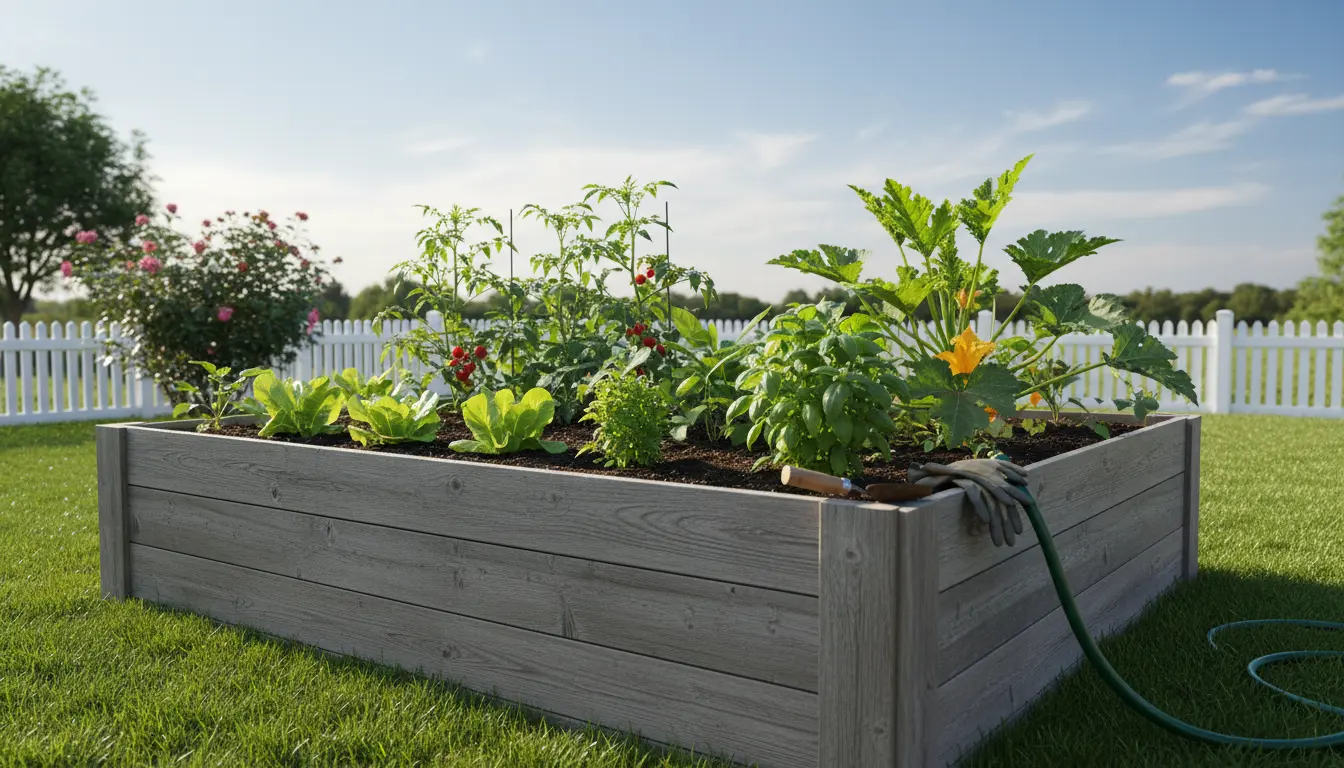
Start a Vegetable Garden: Plan the Basics
Starting a vegetable garden begins with simple planning. Choose the goals for your garden: fresh salad greens, preserving produce, or a learning project for kids.
Keep the initial garden small so maintenance stays manageable. A 4×8 or 10×10 foot plot is ideal for first-time gardeners.
Choose Where to Start a Vegetable Garden
Location is critical when you start a vegetable garden. Most vegetables need at least six hours of direct sunlight each day.
Pick a spot with good drainage and easy access to water. Avoid low areas where cold air or standing water collects.
Start a Vegetable Garden: Prepare Soil and Beds
Healthy soil is the foundation of a productive garden. Test the soil pH and texture before planting to know what amendments you need.
Raised beds or in-ground rows both work. Raised beds warm earlier in spring and drain better, making them a good choice for beginners.
Soil Preparation Steps
- Clear weeds and debris from the area.
- Loosen soil to a depth of 8 to 12 inches with a fork or tiller.
- Work in 2 to 4 inches of compost to improve fertility and structure.
- Adjust pH as needed: most veggies prefer pH 6.0 to 7.0.
Start a Vegetable Garden: Choose Plants and Timing
Select vegetables that match your climate and the season. Cool-season crops include lettuce, spinach, and peas.
Warm-season crops include tomatoes, peppers, and cucumbers. Check your local last frost date to time planting correctly.
Planting Tips
- Follow seed packet or plant tag spacing instructions to avoid overcrowding.
- Start seeds indoors for slower-warming climates or buy seedlings from a nursery.
- Stagger plantings of quick crops like lettuce every 2–3 weeks for continuous harvests.
Start a Vegetable Garden: Watering and Care
Consistent watering is one of the most important tasks when you start a vegetable garden. Most vegetables need about 1 inch of water per week.
Use a soaker hose or drip irrigation to water at the soil level and reduce disease risk. Water in the morning to allow foliage to dry during the day.
Routine Garden Maintenance
- Mulch beds with straw or shredded leaves to retain moisture and suppress weeds.
- Monitor for pests and diseases; remove affected leaves promptly.
- Fertilize lightly according to crop needs and soil test results.
Start a Vegetable Garden: Harvesting and Record Keeping
Harvest vegetables as they reach maturity to encourage further production. Keep a notebook with planting dates, varieties, and yields.
Records help you refine timing, spacing, and variety choices in subsequent seasons.
Simple Harvest Guidelines
- Pick leaf greens when young and tender for best flavor.
- Harvest tomatoes when they are fully colored but still firm.
- Beans and peas are best picked regularly to maintain production.
Common Mistakes When You Start a Vegetable Garden
New gardeners often try to grow too many varieties or skip soil preparation. These mistakes make maintenance harder and reduce yields.
Focus on a few reliable crops in year one and expand once you gain confidence and experience.
How to Avoid Problems
- Start small to learn without feeling overwhelmed.
- Use mulch and drip irrigation to control weeds and water efficiently.
- Rotate crops each year to reduce pest and disease buildup.
Beans are natural nitrogen fixers and can improve soil fertility when included in rotation. Planting legumes can reduce the need for synthetic nitrogen fertilizers.
Small Real-World Example: Starting a 10×10 Plot
Case study: A beginner started a 10×10 foot raised bed in May. They prepared soil with compost, planted tomatoes, lettuce, carrots, and bush beans.
They used trellises for tomatoes, mulched with straw, and set a weekly drip irrigation timer. By July, they harvested a steady supply of salad greens and beans.
Results: One season yielded enough tomatoes for regular salads and two jars of preserved sauce. The gardener noted that keeping planting records helped them plan better the next year.
Start a Vegetable Garden: Final Checklist
- Choose a sunny, well-drained location.
- Prepare soil with compost and test pH.
- Select appropriate varieties for your climate and season.
- Install simple irrigation and use mulch.
- Keep records and start small to scale up successfully.
Starting a vegetable garden is a practical, step-by-step process. With basic planning, soil care, and consistent maintenance, beginners can enjoy fresh produce and learn valuable gardening skills.