
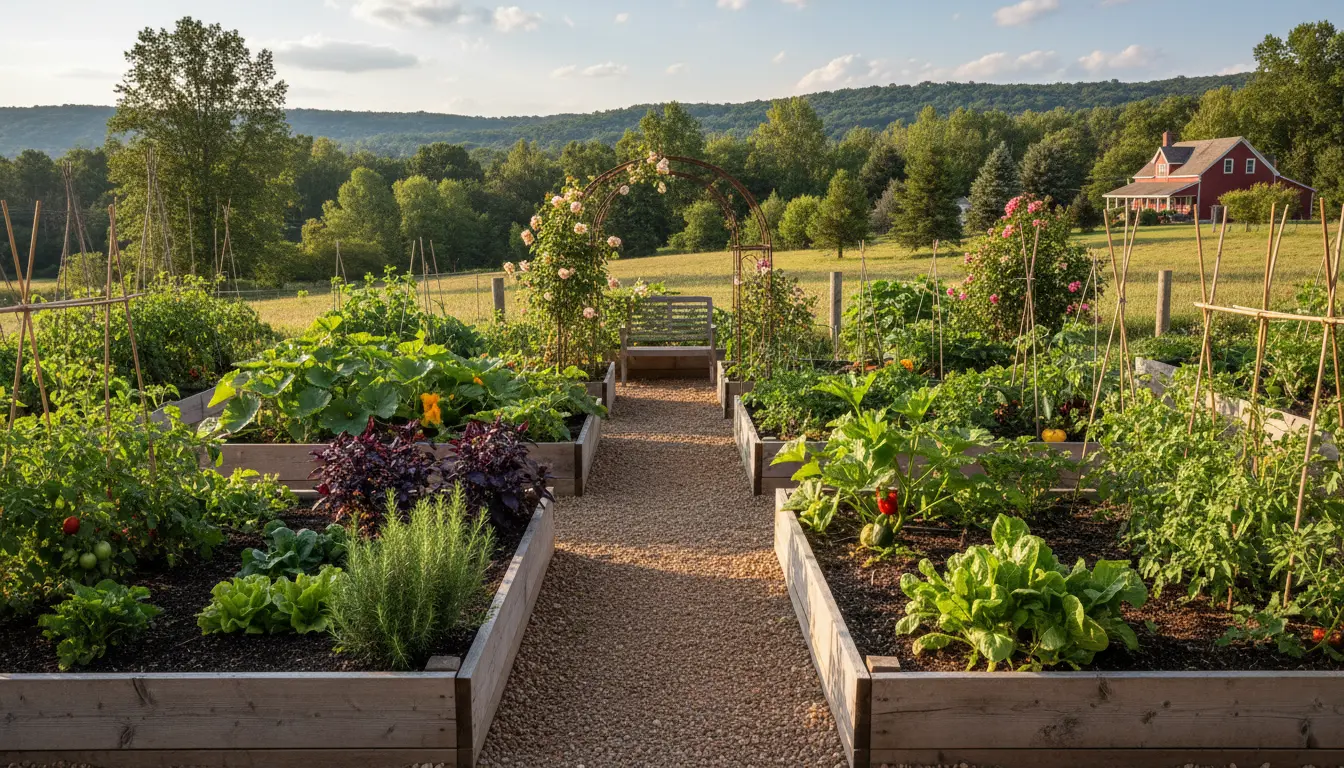
Prepare to Start a Vegetable Garden: Overview
Starting a vegetable garden is a practical project you can complete in stages. This guide explains site choice, soil preparation, plant selection, planting, watering, and simple pest control.
Choose the Right Site to Start a Vegetable Garden
Select a spot that gets at least six hours of direct sunlight daily. Vegetables need sun for healthy growth and strong yields.
Avoid low areas that collect standing water. Ensure the site has good drainage and easy access to water for regular irrigation.
Site considerations
- Sun: 6–8 hours preferred for most vegetables.
- Soil drainage: avoid soggy spots.
- Accessibility: near a water source and walking path.
- Wind: provide windbreaks if the area is exposed.
Plan and Choose Vegetables to Grow
Decide what you and your household will eat. Start with easy, reliable crops that fit your climate and season.
Good beginner vegetables include tomatoes, lettuce, beans, radishes, and zucchini.
Plant selection tips
- Choose disease-resistant varieties labeled for your region.
- Mix quick crops (radishes, lettuce) with longer-season crops (tomatoes, squash).
- Consider container gardening for small spaces.
Prepare Soil Before You Start a Vegetable Garden
Healthy soil is the foundation of a productive garden. Test or assess soil texture, drainage, and fertility before planting.
If you cannot test, improve soil by adding compost and mixing in aged organic matter.
Soil preparation steps
- Clear weeds and grass from the area.
- Loosen soil to at least 8–12 inches for most vegetables.
- Work in 2–4 inches of compost to increase organic matter.
- Apply balanced slow-release fertilizer if a soil test shows deficiency.
Planting: How to Start a Vegetable Garden Planting Schedule
Follow planting times for your climate zone. Use seed packets or plant tags for depth and spacing instructions.
Stagger plantings of lettuce and herbs every 2–3 weeks for a continuous harvest.
Seed and transplant advice
- Sow seeds at the recommended depth and keep soil consistently moist until germination.
- Harden off transplants by gradually exposing them to outdoor conditions for a week.
- Plant taller crops like tomatoes on the north side of shorter crops to avoid shading.
Watering and Mulching
Consistent moisture is critical for most vegetables. Water deeply and less frequently rather than shallow daily watering.
Apply mulch to retain moisture, suppress weeds, and stabilize soil temperature.
Watering guidelines
- Water in the morning to reduce evaporation and disease risk.
- Aim for 1–1.5 inches of water per week, adjusting for rain and high heat.
- Use drip irrigation or soaker hoses to deliver water to roots efficiently.
Pest and Disease Management When You Start a Vegetable Garden
Focus on prevention: healthy soil, proper spacing, crop rotation, and clean tools. Use physical controls before chemical options.
Inspect plants regularly and remove affected leaves early to limit spread.
Simple controls
- Hand-pick large pests (slugs, caterpillars) and drop them into soapy water.
- Use row covers to protect young plants from insects.
- Rotate crops each year to reduce disease buildup in soil.
Adding just 1–2 inches of compost each year can improve soil structure and drainage, leading to higher vegetable yields over time.
Harvesting and Ongoing Care
Harvest vegetables when they reach recommended size for the best flavor and continual production. Regular harvesting often encourages more fruiting.
Keep up with weeding, seasonal fertilizing, and replacing mulch to maintain soil health.
Small Case Study: A Weekend Start to a Backyard Garden
Maria had a sunny 10-by-10-foot area in her backyard. She cleared the grass, added compost, and built three raised beds in a weekend.
She planted tomatoes, lettuce, and bush beans. By following a simple watering schedule and staking tomatoes, Maria harvested fresh salad greens within four weeks and tomatoes later in the season.
This small effort produced meals for her family and helped her learn what grows best in her yard.
Common Mistakes to Avoid When You Start a Vegetable Garden
- Overplanting: giving plants enough space increases air flow and reduces disease.
- Ignoring soil health: skipping compost or correction can lead to poor yields.
- Inconsistent watering: erratic moisture causes blossom end rot and poor fruit set.
Quick Checklist to Start a Vegetable Garden
- Choose a sunny site and plan bed layout.
- Test or improve soil with compost and amendments.
- Select beginner-friendly crops and check planting dates.
- Install simple irrigation and mulch beds.
- Inspect plants weekly and manage pests early.
Starting a vegetable garden is a manageable, step-by-step process. With the right site, soil preparation, and ongoing care, you can grow reliable vegetables and learn from each season. Begin small, observe, and expand as you gain confidence.