
Plan Your Small Vegetable Garden
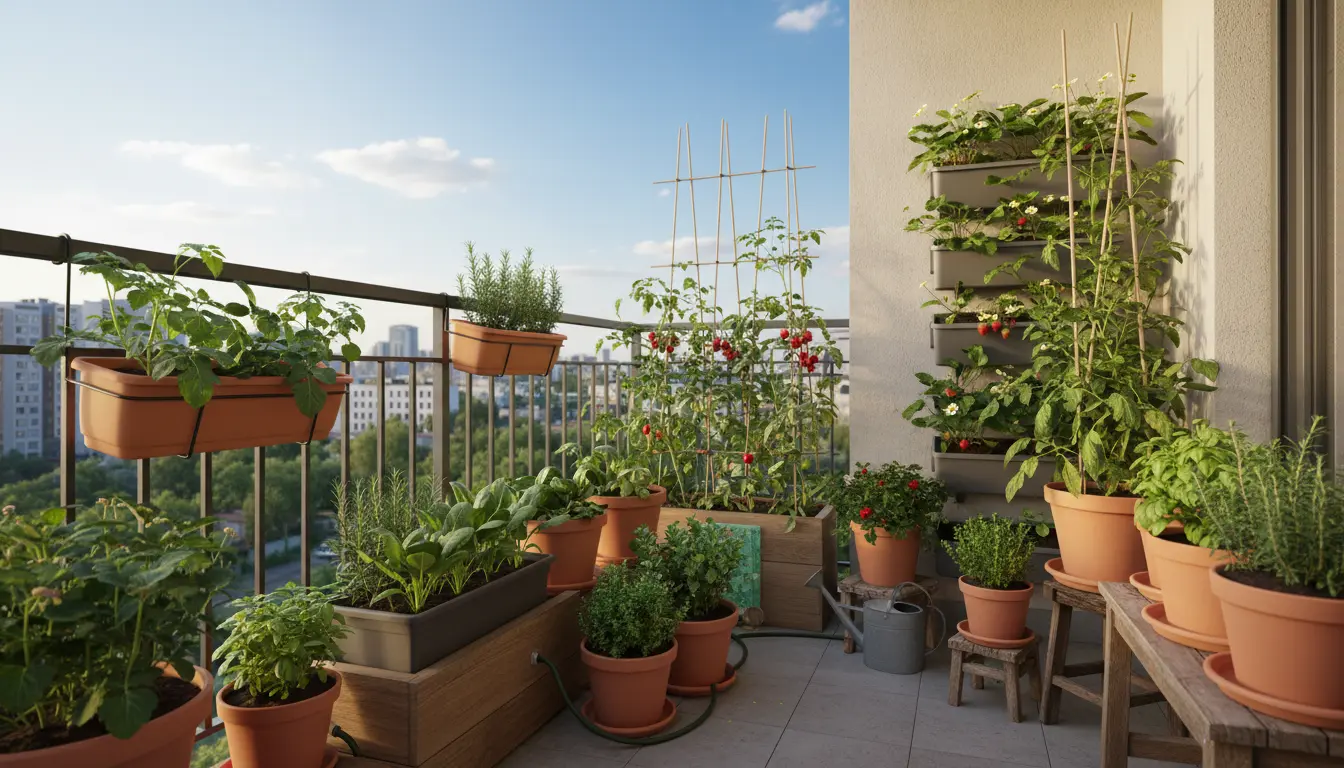
Starting a small vegetable garden begins with a clear plan. Decide whether you have ground space, raised beds, or containers on a balcony or patio.
Match your plan to the time you can commit. Small gardens succeed when they fit your routine, not when they demand exhaustive care.
Choose the Right Location for a Small Vegetable Garden
Most vegetables need at least 6 hours of direct sunlight a day. Observe sun patterns for a few days before picking a spot.
Consider access to water and shelter from strong wind. Good location reduces work and improves harvests.
Select Vegetables for a Small Vegetable Garden
Start with easy, high-yield vegetables. These give results quickly and build confidence.
- Leafy greens: lettuce, spinach, Swiss chard
- Quick growers: radishes, green onions
- Compact fruiting plants: cherry tomatoes, peppers, bush beans
- Herbs: basil, parsley, chives
Prepare Soil and Containers for a Small Vegetable Garden
Soil quality is the foundation. Use a mix of good garden soil and compost for beds, or a commercial potting mix for containers.
For containers, choose pots with drainage holes. A 10–20 liter pot is fine for herbs and lettuce; larger containers are needed for tomatoes and peppers.
Mixes and Amendments
For raised beds or ground plots, blend 40% compost with 60% existing soil. Add a balanced slow-release fertilizer if needed.
Test soil pH if you suspect issues. Most vegetables prefer pH 6.0–7.0.
Planting and Care in a Small Vegetable Garden
Plant at the recommended depth and spacing on seed packets or plant tags. Crowding leads to disease and poor yields.
Use succession planting to maximize a small area: sow lettuce every 2–3 weeks for continuous harvest.
Watering a Small Vegetable Garden
Water deeply and less often to encourage strong roots. Aim for consistent moisture rather than daily shallow watering.
Morning watering reduces leaf wetness overnight and lowers disease risk. Mulch helps retain moisture and suppress weeds.
Pest Control in a Small Vegetable Garden
Inspect plants weekly for pests and signs of disease. Early detection keeps problems manageable.
- Handpick large pests like caterpillars and beetles.
- Use insecticidal soap for soft-bodied pests like aphids.
- Introduce or encourage predators: ladybugs and lacewings help control pests naturally.
Maintenance and Seasonal Tasks for a Small Vegetable Garden
Plan a simple weekly routine: check soil moisture, remove spent plants, and harvest ripe vegetables. Consistent small tasks prevent larger problems.
Rotate plant families each season where possible to reduce soil-borne diseases and nutrient depletion.
Many common vegetables can be grown in containers with fewer than 30 centimeters of soil depth. Radishes, lettuce, and herbs are ideal for shallow containers.
Harvesting and Maximizing Yield in a Small Vegetable Garden
Harvest regularly to encourage production. Picking outer leaves of lettuces and herbs lets plants keep growing.
For fruiting crops, remove overripe produce promptly to make room for new fruit and prevent pests.
Preserving and Using Your Harvest
Eat fresh when possible and preserve extras by freezing, pickling, or drying. Simple preservation increases the value of a small garden.
Small Real-World Example: Balcony Success
Case study: Maria lives in a third-floor apartment and started a small vegetable garden on a 1.5-meter balcony. She used three 40 cm deep containers and two 10-liter pots.
In her first season she grew cherry tomatoes, basil, lettuce, and peppers. With twice-weekly watering and biweekly compost tea, she harvested enough salad greens for two people for several months.
Key lessons from her case: choose compact varieties, use good potting mix, and schedule regular checks to catch issues early.
Troubleshooting Common Problems in a Small Vegetable Garden
Yellow leaves often indicate nutrient deficiency or overwatering. Check soil moisture and consider a balanced fertilizer.
Stunted growth can be due to root crowding in small containers. Repot to larger containers or thin plants to improve growth.
- Problem: Leggy seedlings — Solution: more light or move outdoors earlier
- Problem: Poor fruit set — Solution: ensure pollinators or hand-pollinate flowers
- Problem: Repeated pests — Solution: rotate crops and improve soil health
Practical Checklist to Start a Small Vegetable Garden
- Pick a sunny location with water access
- Choose containers or prepare a raised bed
- Buy quality potting mix and compost
- Select 4–6 beginner-friendly crops
- Set a weekly maintenance schedule
Final Notes on How to Start a Small Vegetable Garden
Starting small makes gardening manageable and rewarding. Focus on simple tasks and learn from each season.
With minimal space and a few reliable varieties, you can enjoy fresh vegetables and build skills for larger projects later.