
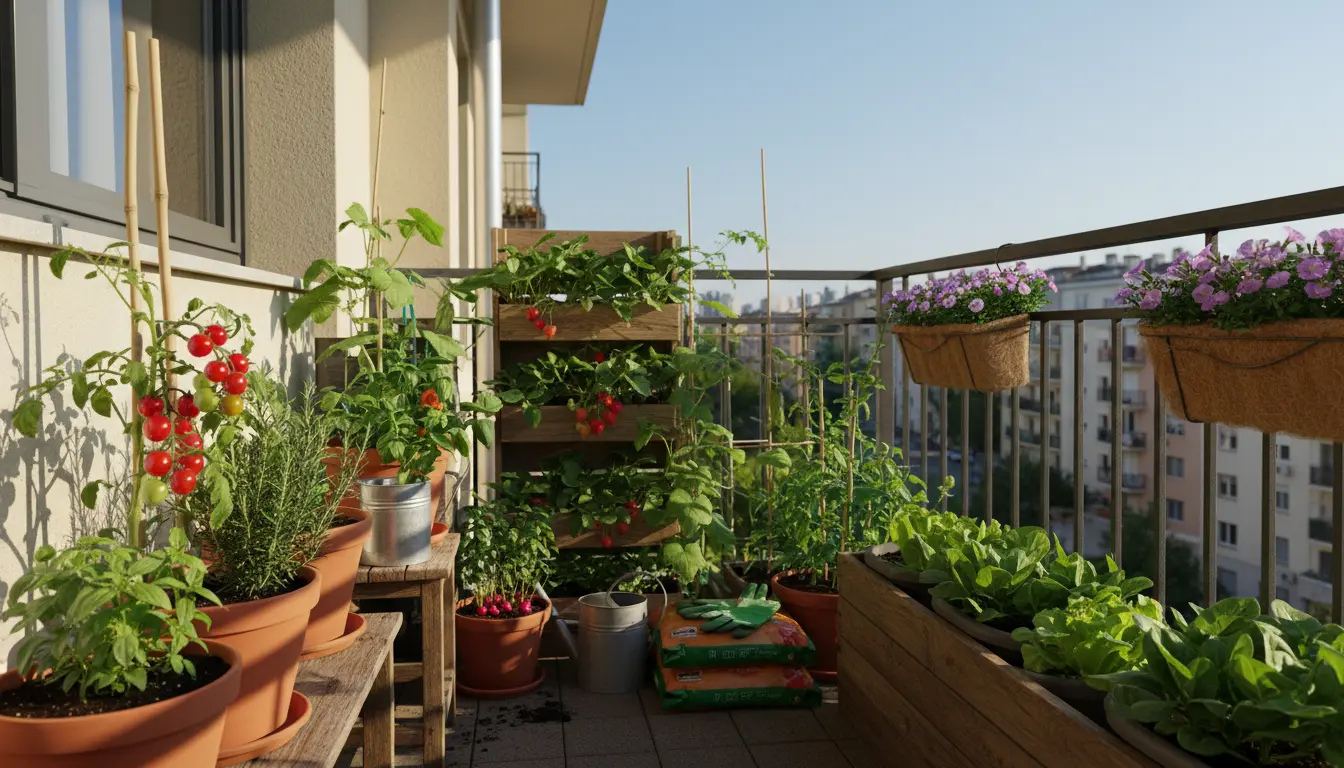
Starting a small vegetable garden is a practical way to grow fresh food, even with limited space. This guide gives step-by-step instructions you can follow in a yard, balcony, or patio.
How to Start a Small Vegetable Garden: Choose the Right Spot
Sunlight is the most important early decision. Most vegetables need at least six hours of direct sun daily.

If you have less space, choose the sunniest corner or use containers that can be moved through the day.
Assess Sun, Water, and Access
- Sunlight: Track sun for a few days to find the brightest area.
- Water access: Keep a hose or watering can nearby to make daily care easier.
- Access: Make paths or leave room to reach plants for pruning and harvest.
How to Start a Small Vegetable Garden: Prepare Soil and Containers
Good soil is the foundation for healthy plants. For beds, loosen soil and add organic matter to improve texture and fertility.
For container gardens, choose pots at least 12 inches deep for most vegetables and use a quality potting mix with compost.
Soil Preparation Steps
- Test soil pH or use a home test kit; most vegetables prefer pH 6.0–7.0.
- Add compost or well-rotted manure at 2–3 inches across the bed and mix to a depth of 6–8 inches.
- For heavy clay, add coarse sand and organic matter; for sandy soils, add compost to retain moisture.
How to Start a Small Vegetable Garden: Pick Easy Plants
Choose crops suited to short spaces and beginners. Fast-growing or compact varieties give quicker success and higher yield per square foot.
Best Vegetables for Small Gardens
- Leafy greens: lettuce, spinach, arugula — quick harvests and continuous cut-and-come-again growth.
- Radishes and carrots: root vegetables fit well in deep containers or raised beds.
- Tomatoes and peppers: choose bush/determinate types or grow in large containers with stakes.
- Herbs: basil, parsley, chives — great for pots and immediate use.
How to Start a Small Vegetable Garden: Planting and Spacing
Proper spacing reduces disease and improves yields. Follow seed packet or label spacing, but consider succession planting to maximize output.
Use trellises or vertical supports to grow vining crops like beans and small cucumbers upward rather than outward.
Simple Planting Tips
- Succession planting: plant a new row of quick crops every 2–3 weeks during the season.
- Interplanting: mix fast-growers with slower ones (e.g., radishes with carrots) to use space efficiently.
- Watering: water deeply and less often to encourage root growth; early morning is best.
How to Start a Small Vegetable Garden: Care and Pest Management
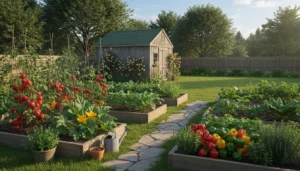
Regular care prevents problems. Water consistently, remove weeds, and monitor for pests and disease weekly.
Start with nonchemical controls: handpicking, row covers, and companion planting to deter pests.
Quick Pest and Disease Checklist
- Inspect leaves for holes, discoloration, or sticky residue.
- Use row covers to protect seedlings from insects and birds.
- Rotate crops yearly to reduce soil-borne disease build-up.
Raised beds warm faster in spring and can extend the growing season by several weeks, giving you earlier harvests.
How to Start a Small Vegetable Garden: Harvest and Storage
Harvest often to encourage continued production, especially with crops like lettuce and beans. Pick at the peak of ripeness for the best flavor.
Store most vegetables properly: leafy greens in a cold drawer, tomatoes at room temperature, and roots in a cool dark spot.
Simple Harvest Schedule Example
- Lettuce: harvest outer leaves continuously over several weeks.
- Tomatoes: pick when fully colored and slightly soft to the touch.
- Carrots: harvest when they reach desired size; loosen soil gently before pulling.
Small Real-World Example: A Balcony Case Study
Anna had a 10-square-foot balcony and wanted fresh food. She used four 12-inch deep containers and a vertical trellis.
Her plant list: one determinate tomato, two pepper plants, a pot of basil, and a trough of mixed salad greens. She added compost monthly and watered daily during hot spells.
In her first season she harvested salad greens for three months, five to eight peppers, and about 12 pounds of tomatoes. Minimal tools and 20 minutes per day kept the garden productive.
How to Start a Small Vegetable Garden: Final Checklist
- Choose a sunny spot and ensure water access.
- Prepare soil or choose suitable containers and potting mix.
- Select compact or fast-growing varieties for small spaces.
- Plant with correct spacing and use vertical supports when possible.
- Monitor for pests, water consistently, and harvest regularly.
Starting a small vegetable garden is manageable and rewarding. With a clear site, good soil, and focused care, you can produce fresh food even in tight spaces.