
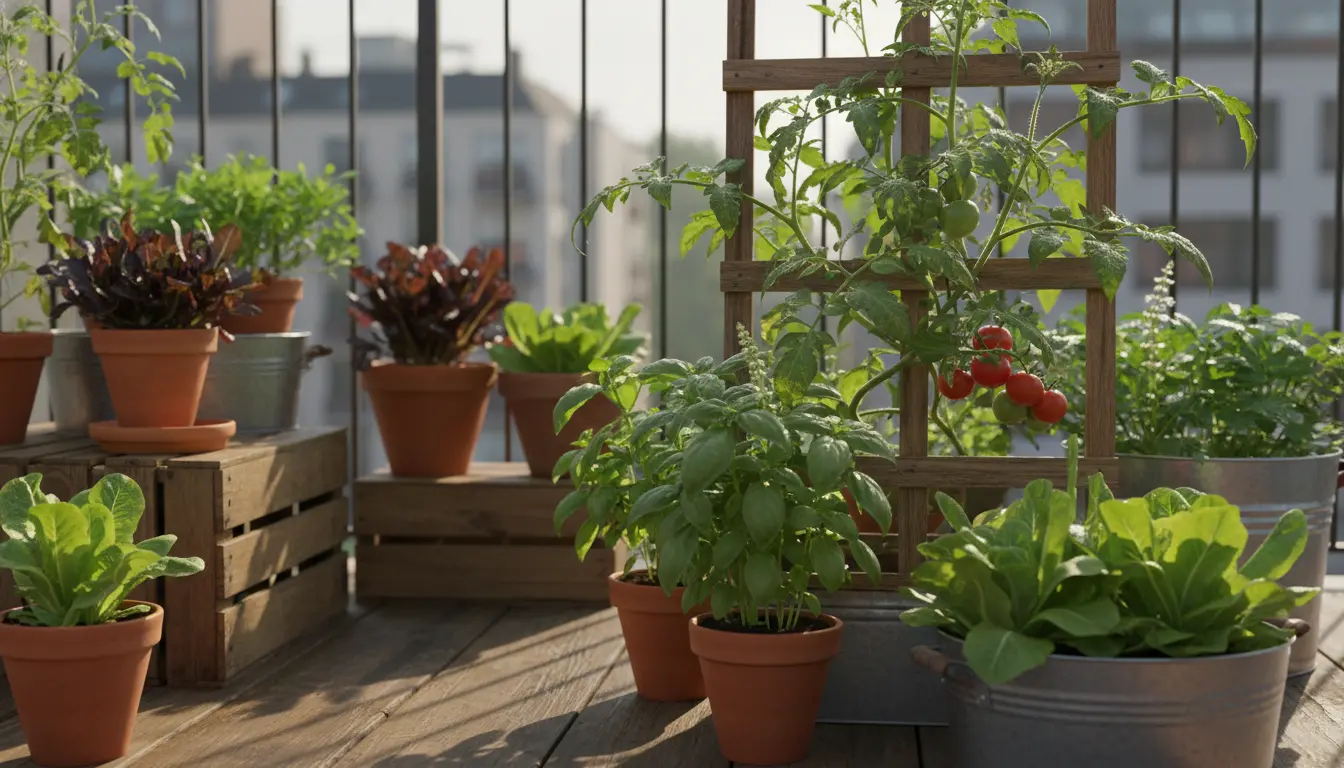
Why start a vegetable garden in small spaces
Growing vegetables in limited space is possible, productive, and rewarding. Many people assume you need a backyard, but containers, vertical systems, and smart planning let you harvest fresh produce from a balcony, patio, or tiny yard.
This guide shows how to start a vegetable garden in small spaces using simple steps, budget-friendly choices, and clear maintenance tips. Follow these practical instructions to maximize yield and minimize effort.
Plan your small space vegetable garden
Start by assessing sunlight, available area, and your goals. Note how many hours of direct sun the spot receives and whether it gets afternoon shade.
Decide what you want to grow: quick lettuce and herbs, a few tomato plants, or a mix of vegetables for regular meals. Choose crops that suit your climate and daily habits.
Site selection and sunlight
Vegetables generally need 6 or more hours of direct sun. If your space receives less sun, focus on shade-tolerant crops like leafy greens, root vegetables, and herbs.
Examples of sun needs:
- Full sun (6+ hours): tomatoes, peppers, cucumbers
- Partial sun (3–6 hours): lettuce, spinach, beets
- Shade (under 3 hours): herbs like mint and parsley
Choose the right containers and soil
Containers are central to starting a vegetable garden in small spaces. Use pots, grow bags, raised beds, or repurposed buckets depending on the crop and available area.
Container tips:
- Pick containers with drainage holes to prevent waterlogging.
- Use a quality potting mix, not garden soil, for better aeration and drainage.
- Match pot size to plant roots: deep pots for tomatoes and carrots, shallow trays for lettuce.
Soil mix for containers
Mix equal parts high-quality potting soil, compost, and a lightweight material like perlite or coco coir. This blend retains moisture while draining well and supplies nutrients as plants establish.
Pick crops that perform well in small spaces
Choose high-yield, compact or vertical varieties. Determinate tomatoes, bush beans, dwarf peppers, and salad greens are ideal for containers and small beds.
Recommended crops for tight spaces:
- Leafy greens: lettuce, spinach, arugula
- Herbs: basil, chives, cilantro
- Compact fruiting plants: patio tomato varieties, dwarf peppers
- Root crops in deep pots: carrots, radishes, beets
- Climbing crops on a trellis: peas, pole beans, cucumbers
Layout and vertical gardening
Use vertical space to increase yield without expanding footprint. Trellises, hanging baskets, tiered shelves, and wall-mounted planters free up floor space.
Vertical gardening benefits:
- Improves airflow and disease control
- Makes harvesting easier
- Provides higher yields per square foot
Simple vertical setup
Install a 6-foot trellis against a sunny wall and plant climbing peas or indeterminate tomatoes at the base. Use hanging pots for herbs and strawberries above eye level.
Watering and feeding routine
Containers dry out faster than in-ground beds. Check soil moisture daily during hot weather and water when the top inch feels dry.
Fertilize regularly using a balanced liquid fertilizer or slow-release granules. Follow label rates and concentrate feeding during fruiting and leafy growth phases.
Watering tips
- Water deeply until water runs from drainage holes to encourage deep roots.
- Use mulch on container soil to reduce evaporation.
- Consider self-watering pots or drip irrigation for hands-off maintenance.
Pest and disease management in small spaces
Pests can spread quickly in confined areas, but prevention and prompt action control problems. Encourage beneficial insects, inspect plants regularly, and remove affected leaves.
Low-toxicity controls:
- Handpick large pests like caterpillars
- Use insecticidal soap for aphids and whiteflies
- Rotate crops in containers to reduce disease buildup
Season extension and microclimates
Small spaces often create warm microclimates near walls and pavement. Use that to your advantage by placing heat-loving plants near warm surfaces.
Extend the season with row covers, small hoop tunnels, or moving containers indoors during cold nights. This lets you start earlier and grow later into fall.
Case study: Balcony garden yields fresh salads
Maria, a city renter, converted a 5-by-3 foot balcony into a productive garden. She used three 12-inch pots for tomatoes, a vertical shelf for herbs, and a trough planter for mixed greens.
In one season she harvested: enough tomatoes for weekly salads, continuous basil for pesto, and several lettuce harvests. Her setup cost under 200 and required 30 minutes of weekly care.
Quick checklist to start a vegetable garden in small spaces
- Evaluate sun and choose a site
- Select containers that match chosen crops
- Use quality potting mix and compost
- Choose compact or vertical plant varieties
- Set a watering and fertilizing schedule
- Monitor pests and rotate crops where possible
Many leafy greens can be harvested continually by cutting outer leaves, allowing the plant to regrow for multiple harvests. This method, called cut and come again, is ideal for small space gardening.
Conclusion and next steps
Starting a vegetable garden in small spaces is about right-sizing your choices and using vertical space. With planning, proper containers, and regular care you can grow fresh produce even with limited room.
Begin with a few easy crops, learn from each season, and expand as you gain confidence. Small-space gardening rewards consistency and simple, practical techniques.