
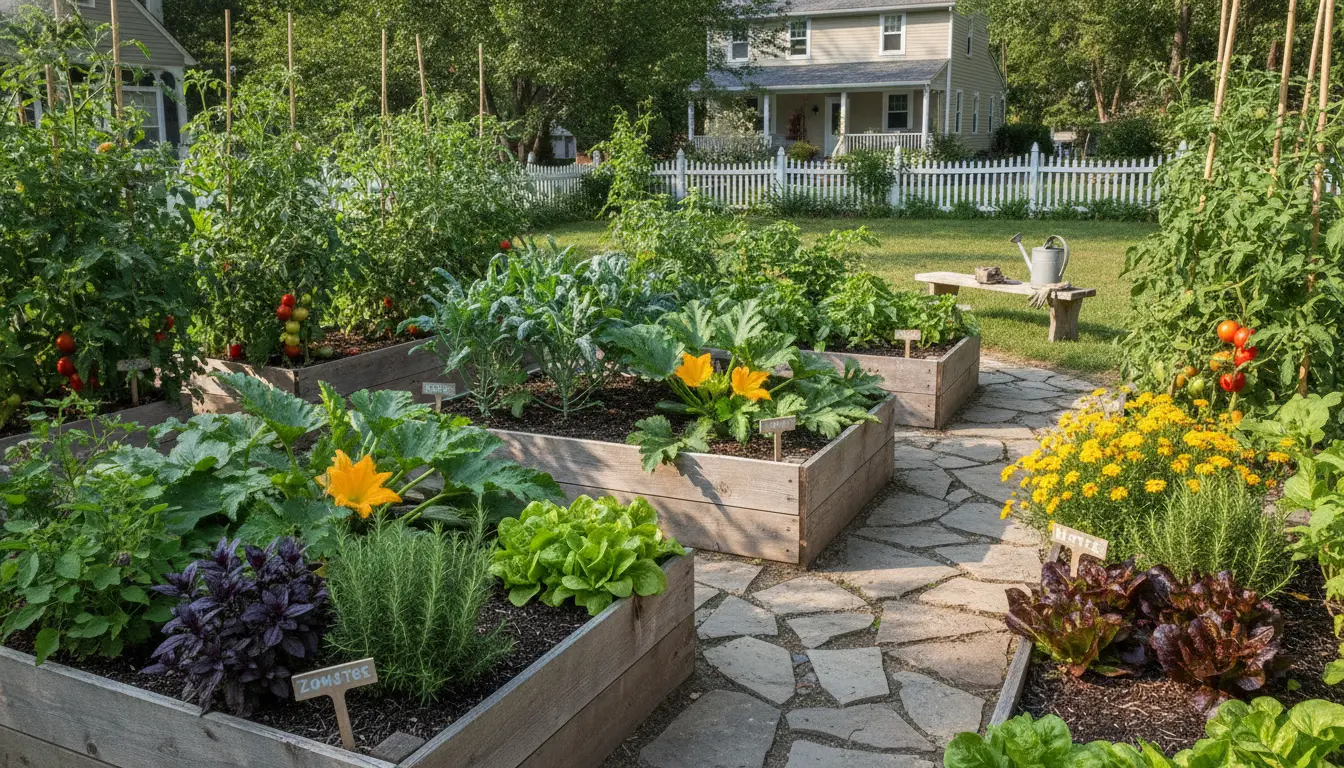
How to Start a Small Vegetable Garden: Overview
Starting a small vegetable garden is a practical way to grow fresh food, save money, and enjoy outdoor activity. This guide walks through clear, actionable steps for beginners and small-space gardeners.
Plan Your Small Vegetable Garden
Good planning reduces mistakes and saves time. Begin by listing what you want to grow and estimating space, sunlight, and water needs for those crops.
Decide What to Grow
Choose vegetables you and your household will eat. For a small plot, prioritize high-yield, space-efficient crops like:
- Leafy greens (lettuce, spinach)
- Compact tomatoes and peppers
- Herbs (basil, parsley)
- Root crops in containers (radishes, carrots)
Select a Location for Your Small Vegetable Garden
Location determines success. Seek a spot with 6–8 hours of direct sunlight for most vegetables. If full sun isn’t available, choose vegetables that tolerate partial shade.
Consider water access, proximity to the kitchen, wind exposure, and visibility for pest monitoring.
Prepare Soil and Containers
Healthy soil is the foundation of a productive small vegetable garden. Test and amend soil before planting to ensure good drainage and fertility.
Soil Preparation Steps
- Test soil pH and nutrients using a simple kit or local extension service.
- Add compost to improve structure and fertility—mix 2–4 inches into the top 6–8 inches of soil.
- Use raised beds or containers if native soil is poor or compacted.
Container Tips for a Small Vegetable Garden
Containers can make a small vegetable garden flexible and accessible. Use pots at least 12 inches deep for most vegetables, and ensure drainage holes are clear.
Planting: Timing and Techniques
Planting at the right time increases yields. Check local frost dates and seed packet instructions for sowing schedules.
Seed vs. Transplant in a Small Vegetable Garden
Start fast-growing crops from seed directly in the garden. Use transplants for crops with long growing seasons like tomatoes and peppers to get a head start.
Follow spacing recommendations to avoid overcrowding and reduce disease risk.
Watering and Fertilizing Your Small Vegetable Garden
Consistent watering and targeted feeding keep plants productive. Overwatering is as harmful as underwatering, so aim for steady soil moisture.
- Water deeply once or twice a week rather than shallow daily watering.
- Use mulch to conserve moisture and suppress weeds.
- Feed with a balanced fertilizer or compost tea according to crop needs.
Pest and Disease Management
Integrated pest management (IPM) is effective and low-risk. Regular monitoring, crop rotation, and physical barriers reduce major problems.
Practical IPM Steps for a Small Vegetable Garden
- Inspect plants weekly for pests and disease symptoms.
- Use row covers for young plants to prevent insect damage.
- Remove diseased leaves and practice good sanitation.
- Encourage beneficial insects by planting flowers or herbs.
Season Extension and Succession Planting
To maximize production from a small vegetable garden, practice succession planting and season extension techniques.
- Succession plant: sow new seeds every 2–3 weeks for continuous harvest.
- Extend season with cold frames, cloches, or frost blankets.
- Interplant fast and slow maturing crops to optimize limited space.
Did You Know?
Did You Know? A 10 square foot garden bed can supply a family of two with several months of fresh salad greens and herbs if planted in successive crops.
Small Vegetable Garden Case Study: One-Season Backyard Plot
Jane, a homeowner with a 12 x 8 ft backyard plot, converted a lawn corner into a raised-bed small vegetable garden. She planted three 4 x 3 ft beds with a mix of tomatoes, bush beans, lettuce, and herbs.
Using compost, drip irrigation, and weekly monitoring, she harvested enough tomatoes and greens to supply fresh salad ingredients for her family of four from June through October. Early-season row covers prevented late frost damage, extending harvest by three weeks.
Quick Checklist to Start a Small Vegetable Garden
- Choose 3–6 vegetables you use often.
- Pick a sunny location with water access.
- Prepare soil or choose containers with quality potting mix.
- Plant according to seed packet timing or use transplants.
- Mulch, water deeply, and monitor for pests weekly.
Final Tips for Your Small Vegetable Garden
Start small and expand as you gain confidence. Keep records of planting dates and varieties to improve next season’s planning.
A small vegetable garden is manageable, rewarding, and scalable. With basic planning and regular care you can enjoy fresh, homegrown produce even in limited space.