
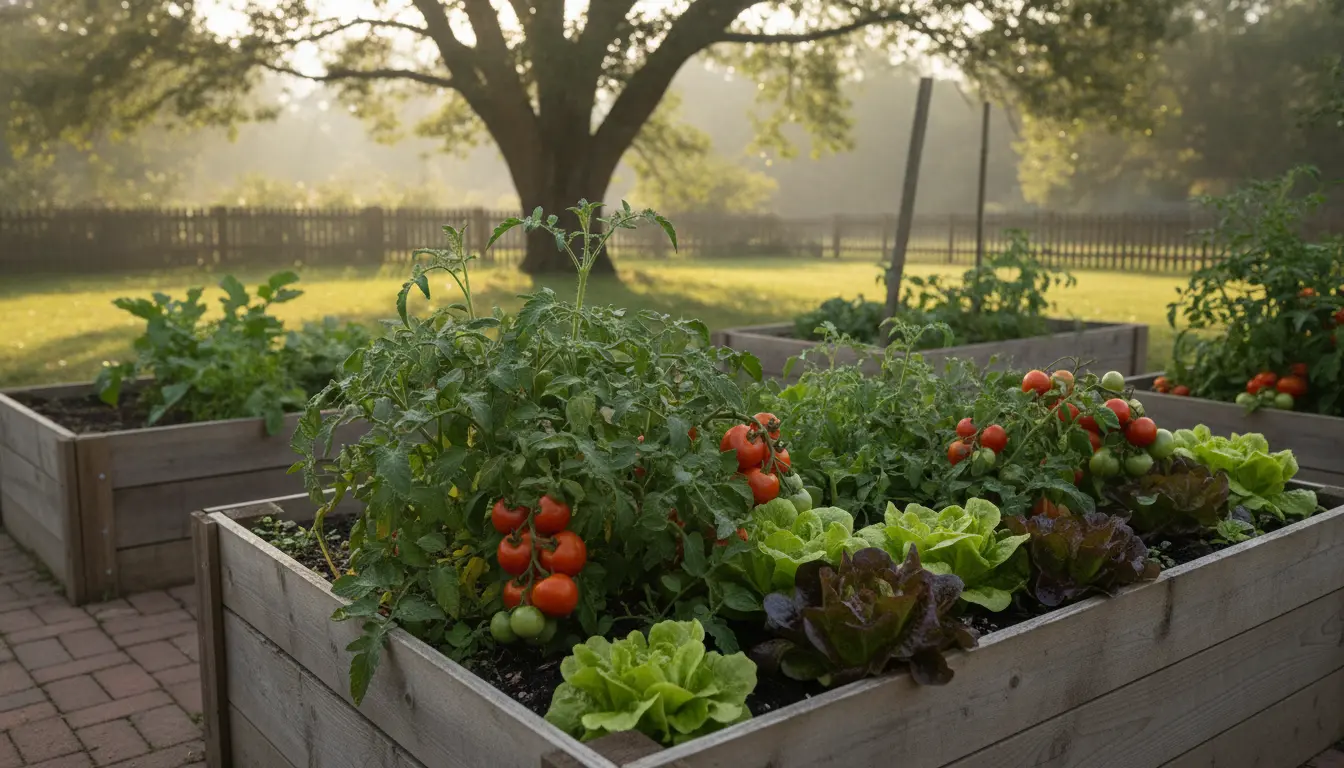
How to Start a Vegetable Garden
Starting a vegetable garden is a practical way to grow fresh food and learn new skills. This guide gives clear, step-by-step instructions you can apply in a small yard, balcony, or community plot.
Choose the Right Location for Your Vegetable Garden
Location sets the foundation for a successful vegetable garden. Pick a spot with the best combination of sunlight, drainage, and access.
Sunlight, Soil, and Space
Most vegetables need 6 to 8 hours of sunlight daily. Observe your yard for a few days to measure sun exposure. Avoid low areas that stay wet after rain.
- Full sun: tomatoes, peppers, cucumbers
- Partial shade: lettuce, spinach, herbs
- Good air flow reduces disease risks
Prepare Soil and Planting Beds for Your Vegetable Garden
Healthy soil is the single most important factor for plant success. Spend time improving soil before planting.
Testing and Amending Soil
Test soil with a basic kit or send a sample to a lab. Check pH and nutrient levels. Most vegetables prefer a pH between 6.0 and 7.0.

Amend with organic matter: compost, aged manure, or leaf mold. Work amendments into the top 6–12 inches of soil for best results.
- Loosen compacted soil with a fork or tiller
- Use raised beds if drainage is poor
- Mulch after planting to conserve moisture and suppress weeds
Choose Vegetables for Beginners
Starting with easy crops builds confidence and gives reliable harvests. Pick varieties suited to your climate and season.
- Leafy greens: lettuce, spinach, chard
- Root crops: radishes, carrots, beets
- Warm-season staples: cherry tomatoes, bush beans, zucchini
- Herbs: basil, parsley, chives
Succession Planting and Companion Planting
Use succession planting to harvest continuously. Sow quick crops in gaps left by earlier harvests. Pair compatible plants to improve growth and reduce pests.
Planting, Watering, and Care in Your Vegetable Garden
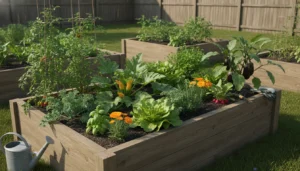
Plant at the right depth and spacing for each crop. Read seed packets or nursery tags for guidance. Proper spacing reduces disease pressure.
Watering Tips for a Healthy Vegetable Garden
Water deeply and less often to encourage strong roots. Aim for consistent moisture, especially during flowering and fruit set.
- Morning watering reduces evaporation and disease
- Soaker hoses and drip irrigation deliver water efficiently
- Check soil moisture by probing with a finger or trowel
Pests, Weeds, and Disease Management for Vegetable Gardens
Small problems grow quickly in a garden. Monitor plants weekly and act early when you spot issues.
- Hand-pick large pests like slugs and caterpillars
- Use row covers to protect seedlings from insects
- Remove diseased foliage and rotate crops each year
Small Real-World Example: A Two-Bed Summer Vegetable Garden
Case study: A homeowner used two 4×8 raised beds on a sunny south-facing side yard. They filled beds with a mix of topsoil and compost and planted tomatoes, bush beans, lettuce, and basil.
Timeline and results:
- Week 1: Soil test, amend with compost, install drip line
- Week 3: Transplant tomatoes and sow lettuce in succession every 3 weeks
- Week 8–12: First tomato harvest and continuous lettuce harvest
Challenges and adjustments: early leaf spot on tomatoes was controlled by improving air circulation and removing lower leaves. Total yield: several gallons of tomatoes and weekly salad greens through midsummer.
Adding just 1 inch of compost to your garden soil can increase water retention and nutrient content, improving growth and reducing the need for frequent watering.
Harvesting and Extending the Season in a Vegetable Garden
Harvest frequently to encourage production. Pick vegetables at peak ripeness for best flavor and storage life.
To extend the season, use row covers, cloches, or a simple cold frame. Start cool-season crops early in spring and again in late summer for fall harvests.
Quick Checklist to Start Your Vegetable Garden
- Pick a sunny site with good drainage
- Test and amend soil, or prepare raised beds
- Choose easy crops suited to your climate
- Plant with proper spacing and water deeply
- Monitor for pests and diseases weekly
- Harvest regularly and save seeds from healthy plants
Final Notes on How to Start a Vegetable Garden
Starting a vegetable garden takes planning and simple, regular care. Begin small, learn from each season, and expand as you gain confidence.
Use the checklist and case study above to create a practical plan today. Small, consistent steps yield the best long-term results.